İHALE DÜNYASI
İHALE DÜNYASI
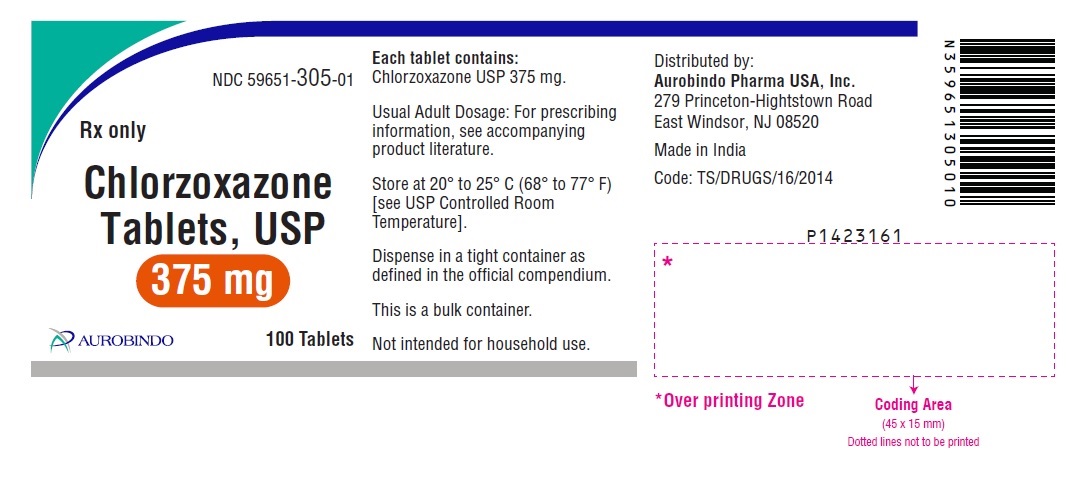
Each 375 mg chlorzoxazone tablet USP contains: Chlorzoxazone USP 375 mg. Each 750 mg chlorzoxazone tablet USP contains: Chlorzoxazone USP 750 mg. Chemical Name: 5-Chloro-2-benzoxazolinone. Structural Formula: Molecular Formula: C 7 H 4 CINO 2 Molecular Weight: 169.56 Chlorzoxazone USP is a white or practically white, practically odorless, crystalline powder. Chlorzoxazone is slightly soluble in water; sparingly soluble in alcohol, in isopropyl alcohol, and in methanol; soluble in solutions of alkali hydroxides and ammonia. Inactive ingredients: anhydrous lactose, corn starch, croscarmellose sodium, DSS granular (docusate sodium 85% with sodium benzoate 15%), magnesium stearate, microcrystalline cellulose and pregelatinized starch (maize). chem-stru
Chlorzoxazone tablets are indicated as an adjunct to rest, physical therapy, and other measures for the relief of discomfort associated with acute, painful musculoskeletal conditions. The mode of action of this drug has not been clearly identified, but may be related to its sedative properties. Chlorzoxazone does not directly relax tense skeletal muscles in man.
Usual Adult Dosage Chlorzoxazone tablets USP 375 mg: One tablet three or four times daily. If adequate response is not obtained with this dose, the 375 mg tablets may be increased to two tablets (750 mg) three or four times daily. As improvement occurs dosage can usually be reduced. Chlorzoxazone tablets 750 mg: 1/3 tablet (250 mg) three or four times daily. Initial dosage for painful musculoskeletal conditions should be 2/3 tablet (500 mg) three or four times daily. If adequate response is not obtained with this dose, it may be increased to one tablet (750 mg) three or four times daily. As improvement occurs dosage can usually be reduced.
Chlorzoxazone tablets are contraindicated in patients with known intolerance to the drug.
Chlorzoxazone containing products are usually well tolerated. It is possible in rare instances that chlorzoxazone may have been associated with gastrointestinal bleeding. Drowsiness, dizziness, light-headedness, malaise, or overstimulation may be noted by an occasional patient. Rarely, allergic-type skin rashes, petechiae, or ecchymoses may develop during treatment. Angioneurotic edema or anaphylactic reactions are extremely rare. There is no evidence that the drug will cause renal damage. Rarely, a patient may note discoloration of the urine resulting from a phenolic metabolite of chlorzoxazone. This finding is of no known clinical significance.
Serious (including fatal) hepatocellular toxicity has been reported rarely in patients receiving chlorzoxazone. The mechanism is unknown but appears to be idiosyncratic and unpredictable. Factors predisposing patients to this rare event are not known. Patients should be instructed to report early signs and/or symptoms of hepatotoxicity such as fever, rash, anorexia, nausea, vomiting, fatigue, right upper quadrant pain, dark urine, or jaundice. Chlorzoxazone should be discontinued immediately and a physician consulted if any of these signs or symptoms develop. Chlorzoxazone use should also be discontinued if a patient develops abnormal liver enzymes (e.g., AST, ALT, alkaline phosphatase and bilirubin). The concomitant use of alcohol or other central nervous system depressants may have an additive effect. Usage in Pregnancy: The safe use of chlorzoxazone tablets has not been established with respect to the possible adverse effects upon fetal development. Therefore, it should be used in women of childbearing potential only when, in the judgment of the physician, the potential benefits outweigh the possible risks.