İHALE DÜNYASI
İHALE DÜNYASI
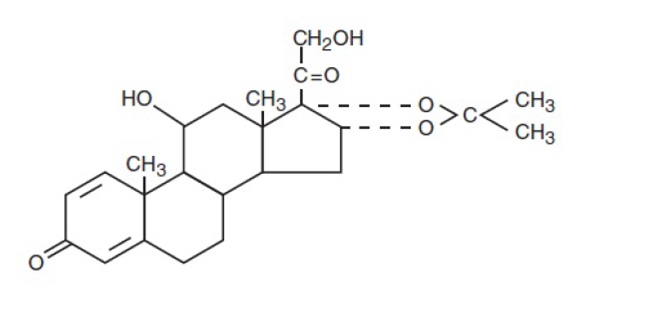
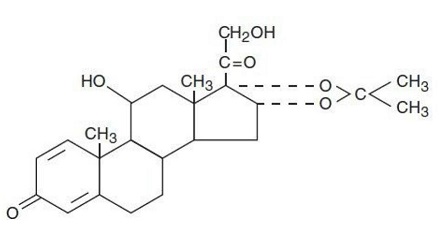
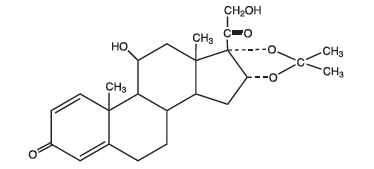
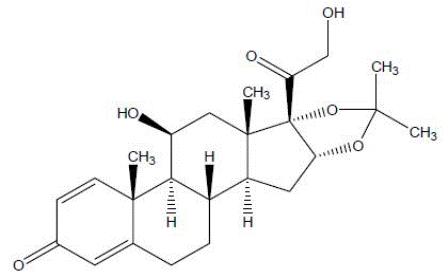
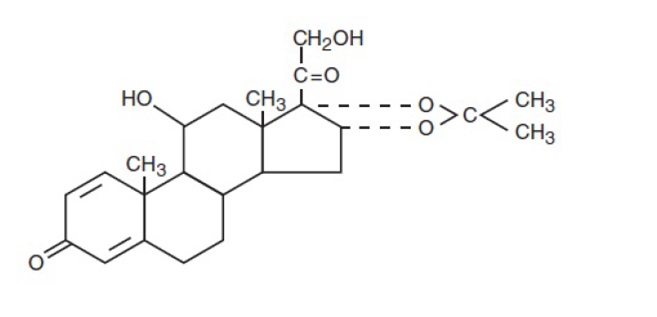
Desonide Lotion USP, 0.05% contain desonide, USP (Pregna-1,4-diene-3,20-dione,11,21- dihydroxy-16,17 [(1-methylethylidene) bis (oxy)]- (11?,16?)- a synthetic nonfluorinated corticosteroid for topical dermatologic use. The corticosteroids constitute a class of primarily synthetic steroids used topically as anti-inflammatory and anti-pruritic agents. Chemically, desonide, USP is C 24 H 32 O 6 . It has the following structural formula: Desonide, USP has the molecular weight of 416.51. It is a white to almost white crystalline powder which is practically insoluble in water, sparingly soluble in ethanol and in acetone, soluble in chloroform. Each gram of desonide lotion USP, 0.05% contains 0.5 mg of desonide, USP in a base of cetyl alcohol, edetate disodium, glyceryl stearate SE, light mineral oil, methylparaben, propylene glycol, propylparaben, purified water, sodium lauryl sulfate, sorbitan monostearate, and stearyl alcohol. May contain citric acid and/or sodium hydroxide for pH adjustment. chemical structure
Desonide lotion is a low to medium potency corticosteroid indicated for the relief of the inflammatory and pruritic manifestations of corticosteroid responsive dermatoses.
Desonide lotion should be applied to the affected areas as a thin film two or three times daily depending on the severity of the condition. SHAKE LOTION WELL BEFORE USING. As with other corticosteroids, therapy should be discontinued when control is achieved. If no improvement is seen within 2 weeks, reassessment of diagnosis may be necessary. Desonide lotion should not be used with occlusive dressings.
Desonide lotion is contraindicated in those patients with a history of hypersensitivity to any of the components of the preparations.
In controlled clinical trials, the total incidence of adverse reactions associated with the use of desonide was approximately 8%. These were: stinging and burning approximately 3%, irritation, contact dermatitis, condition worsened, peeling of skin, itching, intense transient erythema, and dryness/scaliness, each less than 2%. The following additional local adverse reactions have been reported infrequently with other topical corticosteroids, and they may occur more frequently with the use of occlusive dressings, especially with higher potency corticosteroids. These reactions are listed in an approximate decreasing order of occurrence: folliculitis, acneiform eruptions, hypopigmentation, perioral dermatitis, secondary infection, skin atrophy, striae, and miliaria. To report SUSPECTED ADVERSE REACTIONS, contact Alembic Pharmaceuticals, Inc. at 1-866-210-9797 or FDA at 1-800-FDA-1088 or www.fda.gov/medwatch.