
İHALE DÜNYASI
İHALE DÜNYASI
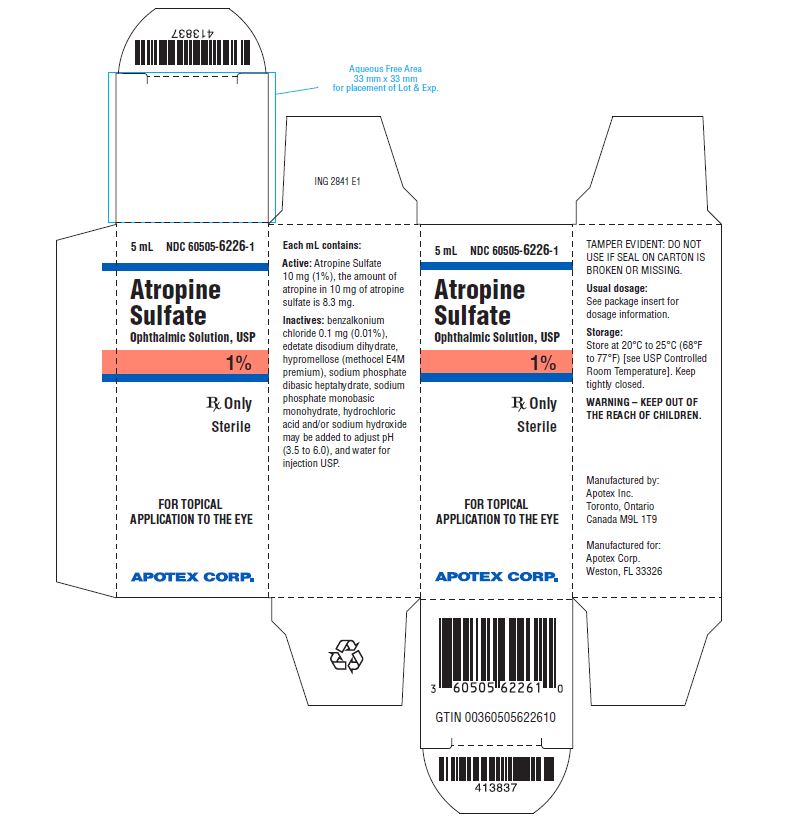
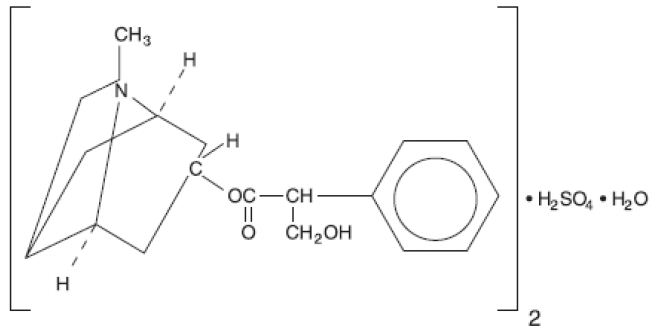
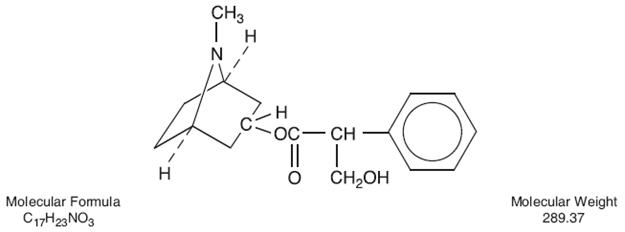
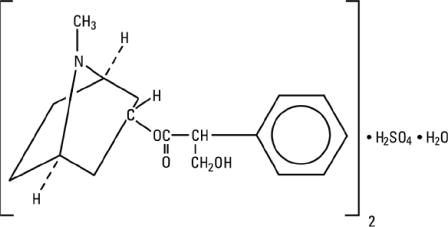
Atropine Sulfate Ophthalmic Solution is a sterile topical anticholinergic for ophthalmic use. The active ingredient is represented by the chemical structure: (C 17 H 23 NO 3 ) 2 * H 2 SO 4 * H 2 O Mol. wt. 694.85 Chemical name: Benzeneacetic acid, ?-(hydroxymethyl)-, 8-methyl-8-azabicyclo-[3.2.1]oct-3-yl ester, endo- (±)-, sulfate (2:1) (salt), monohydrate. Atropine Sulfate Ophthalmic Solution Each mL contains: Active: Atropine Sulfate 10 mg (1%). Preservative: Benzalkonium Chloride 0.1 mg (0.01%). Vehicle: Hypromellose (2910) 5 mg (0.5%). Inactives: Dibasic Sodium Phosphate, Edetate Disodium, Monobasic Sodium Phosphate, Hydrochloric Acid and/or Sodium Hydroxide may be added to adjust pH (3.5 to 6.0), and Purified Water USP. Chemical Structure
A potent parasympatholytic agent for use in producing cycloplegia and mydriasis. Useful for cycloplegic refraction or for pupil dilation in acute inflammatory conditions of the iris and uveal tract.
Adults: For uveitis administer one or two drops topically to the eye(s) up to four times daily or as directed by a physician. The lacrimal sac should be compressed by digital pressure for two to three minutes after instillation. Heavily pigmented irides may require larger doses.
Contraindicated in patients with primary glaucoma or a predisposition toward narrow angle glaucoma; and in those individuals showing hypersensitivity to any component in this preparation. Contraindicated in patients with adhesions (synechiae) between the iris and the lens. It should not be used in pediatric patients who have previously had a severe systemic reaction to atropine; in the elderly and others where undiagnosed glaucoma or excessive pressure in the eye may be present.
Prolonged use may produce local irritation characterized by follicular conjunctivitis, vascular congestion, edema, exudate, and an eczematoid dermatitis. Severe reactions are manifested by hypotension with progressive respiratory depression. Coma and death have been reported in the very young.
For topical ophthalmic use only. Not for injection. In infants and pediatric patients, use with extreme caution. Excessive use in pediatric patients or in certain individuals with a history of susceptibility to belladonna alkaloids may produce systemic symptoms of atropine poisoning. If this occurs, discontinue medication, and use appropriate therapy as outlined in " OVERDOSAGE " section. Do not use during the first 3 months of life, due to the possible association between the cycloplegia produced and the development of amblyopia. Feeding intolerance may follow ophthalmic use of this product in neonates. It is recommended that feeding be withheld for 4 hours after examination. Do not use in concentrations higher than 0.5% in small infants.