
İHALE DÜNYASI
İHALE DÜNYASI
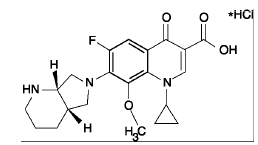
AVELOX (moxifloxacin hydrochloride) is a synthetic broad spectrum antibacterial agent and is available as AVELOX Tablets for oral administration and as AVELOX I.V. for intravenous administration. Moxifloxacin, a fluoroquinolone, is available as the monohydrochloride salt of 1-cyclopropyl-7-[(S,S)-2,8-diazabicyclo[4.3.0]non-8-yl]-6-fluoro-8-methoxy-1,4-dihydro-4-oxo-3 quinoline carboxylic acid. It is a slightly yellow to yellow crystalline substance with a molecular weight of 437.9. Its empirical formula is C 21 H 24 FN 3 O 4 *HCl and its chemical structure is as follows: AVELOX Tablets are available as film-coated tablets containing moxifloxacin hydrochloride (equivalent to 400 mg moxifloxacin). The inactive ingredients are microcrystalline cellulose, lactose monohydrate, croscarmellose sodium, magnesium stearate, hypromellose, titanium dioxide, polyethylene glycol and ferric oxide. AVELOX I.V. is available in ready-to-use 250 mL latex-free flexibags as a sterile, preservative free, 0.8% sodium chloride aqueous solution of moxifloxacin hydrochloride (containing 400 mg moxifloxacin) with pH ranging from 4.1 to 4.6. The appearance of the intravenous solution is yellow. The color does not affect, nor is it indicative of, product stability. The inactive ingredients are sodium chloride, USP, Water for Injection, USP, and may include hydrochloric acid and/or sodium hydroxide for pH adjustment. AVELOX I.V. contains approximately 34.2 mEq (787 mg) of sodium in 250 mL. Structure Image
AVELOX Tablets and I.V. are indicated for the treatment of adults (? 18 years of age) with infections caused by susceptible strains of the designated microorganisms in the conditions listed below. (See DOSAGE AND ADMINISTRATION for specific recommendations. In addition, for I.V. use, see PRECAUTIONS, Geriatric Use .) Acute Bacterial Sinusitis caused by Streptococcus pneumoniae, Haemophilus influenzae , or Moraxella catarrhalis . Acute Bacterial Exacerbation of Chronic Bronchitis caused by Streptococcus pneumoniae, Haemophilus influenzae, Haemophilus parainfluenzae, Klebsiella pneumoniae, methicillin-susceptible Staphylococcus aureus, or Moraxella catarrhalis. Community Acquired Pneumonia caused by Streptococcus pneumoniae (including multi-drug resistant strains*), Haemophilus influenzae, Moraxella catarrhalis, methicillin-susceptible Staphylococcus aureus, Klebsiella pneumoniae, Mycoplasma pneumoniae, or Chlamydia pneumoniae . * MDRSP, Multi-drug resistant Streptococcus pneumoniae includes isolates previously known as PRSP (Penicillin-resistant S. pneumoniae ), and are strains resistant to two or more of the following antibiotics: penicillin (MIC ? 2 µg/mL), 2 nd generation cephalosporins (e.g., cefuroxime), macrolides, tetracyclines, and trimethoprim/sulfamethoxazole. Uncomplicated Skin and Skin Structure Infections caused by methicillin-susceptible Staphylococcus aureus or Streptococcus pyogenes . Complicated Intra-Abdominal Infections including polymicrobial infections such as abscess caused by Escherichia coli, Bacteroides fragilis, Streptococcus anginosus, Streptococcus constellatus, Enterococcus faecalis, Proteus mirabilis, Clostridium perfringens, Bacteroides thetaiotaomicron, or Peptostreptococcus species . Complicated Skin and Skin Structure Infections caused by methicillin-susceptible Staphylococcus aureus, Escherichia coli, Klebsiella pneumoniae, or Enterobacter cloacae (See Clinical Studies ). Appropriate culture and susceptibility tests should be performed before treatment in order to isolate and identify organisms causing infection and to determine their susceptibility to moxifloxacin. Therapy with AVELOX may be initiated before results of these tests are known; once results become available, appropriate therapy should be continued. To reduce the development of drug-resistant bacteria and maintain the effectiveness of AVELOX and other antibacterial drugs, AVELOX should be used only to treat or prevent infections that are proven or strongly suspected to be caused by susceptible bacteria. When culture and susceptibility information are available, they should be considered in selecting or modifying antibacterial therapy. In the absence of such data, local epidemiology and susceptibility patterns may contribute to the empiric selection of therapy.
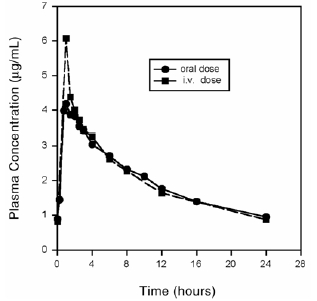
The dose of AVELOX is 400 mg (orally or as an intravenous infusion) once every 24 hours. The duration of therapy depends on the type of infection as described below. For Complicated Intra-Abdominal Infections, therapy should usually be initiated with the intravenous formulation. When switching from intravenous to oral dosage administration, no dosage adjustment is necessary. Patients whose therapy is started with AVELOX I.V. may be switched to AVELOX Tablets when clinically indicated at the discretion of the physician. Oral doses of moxifloxacin should be administered at least 4 hours before or 8 hours after antacids containing magnesium or aluminum, as well as sucralfate, metal cations such as iron, and multivitamin preparations with zinc, or VIDEX (R) (didanosine) chewable/buffered tablets or the pediatric powder for oral solution. (See CLINICAL PHARMACOLOGY, Drug Interactions and PRECAUTIONS, Drug Interactions .) Impaired Renal Function No dosage adjustment is required in renally impaired patients, including those on either hemodialysis or continuous ambulatory peritoneal dialysis. Impaired Hepatic Function No dosage adjustment is recommended for mild, moderate, or severe hepatic insufficiency (Child-Pugh Classes A, B, or C). (See CLINICAL PHARMACOLOGY, Hepatic Insufficiency .) AVELOX I.V. should be administered by INTRAVENOUS infusion only. It is not intended for intra-arterial, intramuscular, intrathecal, intraperitoneal, or subcutaneous administration. AVELOX I.V. should be administered by intravenous infusion over a period of 60 minutes by direct infusion or through a Y-type intravenous infusion set which may already be in place. CAUTION: RAPID OR BOLUS INTRAVENOUS INFUSION MUST BE AVOIDED. Since only limited data are available on the compatibility of moxifloxacin intravenous injection with other intravenous substances, additives or other medications should not be added to AVELOX I.V. or infused simultaneously through the same intravenous line. If the same intravenous line or a Y-type line is used for sequential infusion of other drugs, or if the "piggyback" method of administration is used, the line should be flushed before and after infusion of AVELOX I.V. with an infusion solution compatible with AVELOX I.V. as well as with other drug(s) administered via this common line. Preparation for administration of AVELOX I.V. injection premix in flexible containers: Close flow control clamp of administration set. Remove cover from port at bottom of container. Insert piercing pin from an appropriate transfer set (e.g. one that does not require excessive force, such as ISO compatible administration set) into port with a gentle twisting motion until pin is firmly seated. NOTE : Refer to complete directions that have been provided with the administration set.
Moxifloxacin is contraindicated in persons with a history of hypersensitivity to moxifloxacin or any member of the quinolone class of antimicrobial agents.
Clinical efficacy trials enrolled over 9,200 moxifloxacin orally and intravenously treated patients, of whom over 8,600 patients received the 400 mg dose. Most adverse events reported in moxifloxacin trials were described as mild to moderate in severity and required no treatment. Moxifloxacin was discontinued due to adverse reactions thought to be drug-related in 2.9% of orally treated patients and 6.3 % of sequentially (intravenous followed by oral) treated patients. The latter studies were conducted in community acquired pneumonia and complicated skin and skin structure infections and complicated intra-abdominal infections with, in general, a sicker patient population compared to the tablet studies. Adverse reactions, judged by investigators to be at least possibly drug-related, occurring in greater than or equal to 2% of moxifloxacin treated patients were: nausea (6%), diarrhea (5%), dizziness (2%). Additional clinically relevant uncommon events, judged by investigators to be at least possibly drug-related, that occurred in greater than or equal to 0.1% and less than 2% of moxifloxacin treated patients were: BODY AS A WHOLE: abdominal pain, headache, asthenia, dehydration (secondary to diarrhea or reduced fluid intake), injection site reaction (including phlebitis), malaise, moniliasis, pain, allergic reaction CARDIOVASCULAR: cardiac arrhythmia (not otherwise specified), tachycardia, palpitation, vasodilation, QT interval prolonged DIGESTIVE: vomiting, abnormal liver function test (increased transaminases, increased bilirubin), dyspepsia, dry mouth, flatulence, oral moniliasis, constipation, GGTP increased, anorexia, stomatitis, glossitis HEMIC AND LYMPHATIC: leukopenia, eosinophilia, prothrombin decrease (prothrombin time prolonged/International Normalized Ratio (INR) increased), thrombocythemia METABOLIC AND NUTRITIONAL: lactic dehydrogenase increased, amylase increased MUSCULOSKELETAL: arthralgia, myalgia NERVOUS SYSTEM: insomnia, nervousness, vertigo, somnolence, anxiety, tremor SKIN/APPENDAGES: rash (maculopapular, purpuric, pustular), pruritus, sweating, urticaria SPECIAL SENSES: taste perversion UROGENITAL: vaginal moniliasis, vaginitis Additional clinically relevant rare events, judged by investigators to be at least possibly drug-related, that occurred in less than 0.1% of moxifloxacin treated patients were: abnormal dreams, abnormal vision (visual disturbances temporally associated with CNS symptoms), agitation, amblyopia, amnesia, anemia, aphasia, arthritis, asthma, atrial fibrillation, back pain, chest pain, confusion, convulsions of various clinical manifestations (including grand mal convulsions), depersonalization, depression (potentially culminating in self-endangering behavior), dysphagia, dyspnea, ECG abnormal, emotional lability, face edema, gastritis, gastrointestinal disorder, hallucinations, hyperglycemia, hyperlipidemia, hypertension, hypertonia, hyperuricemia, hypesthesia, hypotension, incoordination, jaundice (predominantly cholestatic), kidney function abnormal, lab test abnormal (not specified), leg pain, paraesthesia, parosmia, pelvic pain, peripheral edema, photosensitivity/phototoxicity reactions, pseudomembranous colitis, prothrombin increase (prothrombin time decreased/International Normalized Ratio (INR) decreased), sleep disorders, speech disorders, supraventricular tachycardia, syncope, taste loss, tendon disorder, thinking abnormal, thrombocytopenia, thromboplastin decrease, tinnitus, tongue discoloration, ventricular tachycardia Post-Marketing Adverse Event Reports: Additional adverse events have been reported from worldwide post-marketing experience with moxifloxacin. Because these events are reported voluntarily from a population of uncertain size, it is not always possible to reliably estimate their frequency or establish a causal relationship to drug exposure. These events, some of them life-threatening, include anaphylactic reaction, anaphylactic shock, angioedema (including laryngeal edema), hepatic failure, including fatal cases, hepatitis (predominantly cholestatic), photosensitivity/phototoxicity reaction (see PRECAUTIONS ) , psychotic reaction (very rarely culminating in self-endangering behavior), renal dysfunction or renal failure, Stevens-Johnson syndrome, tendon rupture, toxic epidermal necrolysis, and ventricular tachyarrhythmias (including in very rare cases cardiac arrest and torsade de pointes, and usually in patients with concurrent severe underlying proarrhythmic conditions). Cases of altered coordination and abnormal gait as well as exacerbation of myasthenia gravis have also been reported. LABORATORY CHANGES Changes in laboratory parameters, without regard to drug relationship, which are not listed above and which occurred in ? 2% of patients and at an incidence greater than in controls included: increases in MCH, neutrophils, WBCs, PT ratio, ionized calcium, chloride, albumin, globulin, bilirubin; decreases in hemoglobin, RBCs, neutrophils, eosinophils, basophils, PT ratio, glucose, pO 2 , bilirubin and amylase. It cannot be determined if any of the above laboratory abnormalities were caused by the drug or the underlying condition being treated.
Tendinopathy and Tendon Rupture: Fluoroquinolones, including AVELOX, are associated with an increased risk of tendinitis and tendon rupture in all ages. This adverse reaction most frequently involves the Achilles tendon, and rupture of the Achilles tendon may require surgical repair. Tendinitis and tendon rupture in the rotator cuff (the shoulder), the hand, the biceps, the thumb, and other tendon sites have also been reported. The risk of developing fluoroquinolone-associated tendinitis and tendon rupture is further increased in older patients usually over 60 years of age, in patients taking corticosteroid drugs, and in patients with kidney, heart or lung transplants. Factors, in addition to age and corticosteroid use, that may independently increase the risk of tendon rupture include strenuous physical activity, renal failure, and previous tendon disorders such as rheumatoid arthritis. Tendinitis and tendon rupture have also occurred in patients taking fluoroquinolones who do not have the above risk factors. Tendon rupture can occur during or after completion of therapy; cases occurring up to several months after completion of therapy have been reported. AVELOX should be discontinued if the patient experiences pain, swelling, inflammation or rupture of a tendon. Patients should be advised to rest at the first sign of tendinitis or tendon rupture, and to contact their healthcare provider regarding changing to a non-quinolone antimicrobial drug. THE SAFETY AND EFFECTIVENESS OF MOXIFLOXACIN IN PEDIATRIC PATIENTS, ADOLESCENTS (LESS THAN 18 YEARS OF AGE), PREGNANT WOMEN, AND LACTATING WOMEN HAVE NOT BEEN ESTABLISHED. (SEE PRECAUTIONS-PEDIATRIC USE , PREGNANCY AND NURSING MOTHERS SUBSECTIONS.) QT prolongation: Moxifloxacin has been shown to prolong the QT interval of the electrocardiogram in some patients. The drug should be avoided in patients with known prolongation of the QT interval, patients with uncorrected hypokalemia and patients receiving Class IA (e.g., quinidine, procainamide) or Class III (e.g., amiodarone, sotalol) antiarrhythmic agents, due to the lack of clinical experience with the drug in these patient populations. Pharmacokinetic studies between moxifloxacin and other drugs that prolong the QT interval such as cisapride, erythromycin, antipsychotics, and tricyclic antidepressants have not been performed. An additive effect of moxifloxacin and these drugs cannot be excluded; therefore caution should be exercised when moxifloxacin is given concurrently with these drugs. In premarketing clinical trials, the rate of cardiovascular adverse events was similar in 798 moxifloxacin and 702 comparator treated patients who received concomitant therapy with drugs known to prolong the QTc interval. Moxifloxacin should be used with caution in patients with ongoing proarrhythmic conditions, such as clinically significant bradycardia, acute myocardial ischemia. The magnitude of QT prolongation may increase with increasing concentrations of the drug or increasing rates of infusion of the intravenous formulation. Therefore the recommended dose or infusion rate should not be exceeded. QT prolongation may lead to an increased risk for ventricular arrhythmias including torsade de pointes. No cardiovascular morbidity or mortality attributable to QTc prolongation occurred with moxifloxacin treatment in over 9,200 patients in controlled clinical studies, including 223 patients who were hypokalemic at the start of treatment, and there was no increase in mortality in over 18,000 moxifloxacin tablet treated patients in a post-marketing observational study in which ECGs were not performed. (See CLINICAL PHARMACOLOGY, Electrocardiogram . For I.V. use, see DOSAGE AND ADMINISTRATION and PRECAUTIONS, Geriatric Use. ) In addition, moxifloxacin should be used with caution in patients with mild, moderate, or severe liver cirrhosis. (See CLINICAL PHARMACOLOGY , Hepatic Insufficiency .) The oral administration of moxifloxacin caused lameness in immature dogs. Histopathological examination of the weight-bearing joints of these dogs revealed permanent lesions of the cartilage. Related quinolone-class drugs also produce erosions of cartilage of weight-bearing joints and other signs of arthropathy in immature animals of various species. (See ANIMAL PHARMACOLOGY .) Convulsions have been reported in patients receiving quinolones. Quinolones may also cause central nervous system (CNS) events including: dizziness, confusion, tremors, hallucinations, depression, and, rarely, suicidal thoughts or acts. These reactions may occur following the first dose. If these reactions occur in patients receiving moxifloxacin, the drug should be discontinued and appropriate measures instituted. As with all quinolones, moxifloxacin should be used with caution in patients with known or suspected CNS disorders (e.g. severe cerebral arteriosclerosis, epilepsy) or in the presence of other risk factors that may predispose to seizures or lower the seizure threshold. (See PRECAUTIONS: General , Information for Patients , and ADVERSE REACTIONS .) Hypersensitivity reactions: Serious anaphylactic reactions, some following the first dose, have been reported in patients receiving quinolone therapy, including moxifloxacin. Some reactions were accompanied by cardiovascular collapse, loss of consciousness, tingling, pharyngeal or facial edema, dyspnea, urticaria, and itching. Serious anaphylactic reactions require immediate emergency treatment with epinephrine. Moxifloxacin should be discontinued at the first appearance of a skin rash or any other sign of hypersensitivity. Oxygen, intravenous steroids, and airway management, including intubation, may be administered as indicated. Other serious and sometimes fatal events, some due to hypersensitivity, and some due to uncertain etiology, have been reported rarely in patients receiving therapy with quinolones, including AVELOX. These events may be severe and generally occur following the administration of multiple doses. Clinical manifestations may include one or more of the following: fever, rash, or severe dermatologic reactions (e.g., toxic epidermal necrolysis, Stevens-Johnson syndrome); vasculitis; arthralgia; myalgia; serum sickness; allergic pneumonitis; interstitial nephritis; acute renal insufficiency or failure; hepatitis; jaundice; acute hepatic necrosis or failure; anemia, including hemolytic and aplastic; thrombocytopenia, including thrombotic thrombocytopenic purpura; leukopenia; agranulocytosis; pancytopenia; and/or other hematologic abnormalities. The drug should be discontinued immediately at the first appearance of a skin rash, jaundice, or any other sign of hypersensitivity and supportive measures instituted (See PRECAUTIONS: Information for Patients and ADVERSE REACTIONS ). Clostridium difficile associated diarrhea (CDAD) has been reported with use of nearly all antibacterial agents, including AVELOX, and may range in severity from mild diarrhea to fatal colitis. Treatment with antibacterial agents alters the normal flora of the colon leading to overgrowth of C. difficile . C. difficile produces toxins A and B which contribute to the development of CDAD. Hypertoxin producing strains of C. difficile cause increased morbidity and mortality, as these infections can be refractory to antimicrobial therapy and may require colectomy. CDAD must be considered in all patients who present with diarrhea following antibiotic use. Careful medical history is necessary since CDAD has been reported to occur over two months after the administration of antibacterial agents. If CDAD is suspected or confirmed, ongoing antibiotic use not directed against C. difficile may need to be discontinued. Appropriate fluid and electrolyte management, protein supplementation, antibiotic treatment of C. difficile , and surgical evaluation should be instituted as clinically indicated. Peripheral neuropathy: Rare cases of sensory or sensorimotor axonal polyneuropathy affecting small and/or large axons resulting in paresthesias, hypoesthesias, dysesthesias and weakness have been reported in patients receiving quinolones. --- BOXED WARNING: BOXED WARNING WARNING: Fluoroquinolones, including AVELOX, (R) are associated with an increased risk of tendinitis and tendon rupture in all ages. This risk is further increased in older patients usually over 60 years of age, in patients taking corticosteroid drugs, and in patients with kidney, heart or lung transplants (see WARNINGS ).
Antacids, Sucralfate, Metal Cations, Multivitamins: Quinolones form chelates with alkaline earth and transition metal cations. Oral administration of quinolones with antacids containing aluminum or magnesium, with sucralfate, with metal cations such as iron, or with multivitamins containing iron or zinc, or with formulations containing divalent and trivalent cations such as VIDEX (R) (didanosine) chewable/buffered tablets or the pediatric powder for oral solution, may substantially interfere with the absorption of quinolones, resulting in systemic concentrations considerably lower than desired. Therefore, moxifloxacin should be taken at least 4 hours before or 8 hours after these agents. (See CLINICAL PHARMACOLOGY, Drug Interactions and DOSAGE AND ADMINISTRATION .) No clinically significant drug-drug interactions between itraconazole, theophylline, warfarin, digoxin, atenolol, oral contraceptives or glyburide have been observed with moxifloxacin. Itraconazole, theophylline, digoxin, probenecid, morphine, ranitidine, and calcium have been shown not to significantly alter the pharmacokinetics of moxifloxacin. (See CLINICAL PHARMACOLOGY .) Warfarin: No significant effect of moxifloxacin on R- and S-warfarin was detected in a clinical study involving 24 healthy volunteers. No significant changes in prothrombin time were noted in the presence of moxifloxacin. Quinolones, including moxifloxacin, have been reported to enhance the anticoagulant effects of warfarin or its derivatives in the patient population. In addition, infectious disease and its accompanying inflammatory process, age, and general status of the patient are risk factors for increased anticoagulant activity. Therefore the prothrombin time, International Normalized Ratio (INR), or other suitable anticoagulation tests should be closely monitored if a quinolone is administered concomitantly with warfarin or its derivatives. Drugs metabolized by Cytochrome P450 enzymes: In vitro studies with cytochrome P450 isoenzymes (CYP) indicate that moxifloxacin does not inhibit CYP3A4, CYP2D6, CYP2C9, CYP2C19, or CYP1A2, suggesting that moxifloxacin is unlikely to alter the pharmacokinetics of drugs metabolized by these enzymes (e.g. midazolam, cyclosporine, warfarin, theophylline). Nonsteroidal anti-inflammatory drugs (NSAIDs): Although not observed with moxifloxacin in preclinical and clinical trials, the concomitant administration of a nonsteroidal anti-inflammatory drug with a quinolone may increase the risks of CNS stimulation and convulsions. (See WARNINGS .) Carcinogenesis, Mutagenesis, Impairment of Fertility: Long term studies in animals to determine the carcinogenic potential of moxifloxacin have not been performed. Moxifloxacin was not mutagenic in 4 bacterial strains (TA 98, TA 100, TA 1535, TA 1537) used in the Ames Salmonella reversion assay. As with other quinolones, the positive response observed with moxifloxacin in strain TA 102 using the same assay may be due to the inhibition of DNA gyrase. Moxifloxacin was not mutagenic in the CHO/HGPRT mammalian cell gene mutation assay. An equivocal result was obtained in the same assay when v79 cells were used. Moxifloxacin was clastogenic in the v79 chromosome aberration assay, but it did not induce unscheduled DNA synthesis in cultured rat hepatocytes. There was no evidence of genotoxicity in vivo in a micronucleus test or a dominant lethal test in mice. Moxifloxacin had no effect on fertility in male and female rats at oral doses as high as 500 mg/kg/day, approximately 12 times the maximum recommended human dose based on body surface area (mg/m 2 ), or at intravenous doses as high as 45 mg/kg/day, approximately equal to the maximum recommended human dose based on body surface area (mg/m 2 ). At 500 mg/kg orally there were slight effects on sperm morphology (head-tail separation) in male rats and on the estrous cycle in female rats. Pregnancy: Teratogenic Effects. Pregnancy Category C: Moxifloxacin was not teratogenic when administered to pregnant rats during organogenesis at oral doses as high as 500 mg/kg/day or 0.24 times the maximum recommended human dose based on systemic exposure (AUC), but decreased fetal body weights and slightly delayed fetal skeletal development (indicative of fetotoxicity) were observed. Intravenous administration of 80 mg/kg/day (approximately 2 times the maximum recommended human dose based on body surface area (mg/m2)) to pregnant rats resulted in maternal toxicity and a marginal effect on fetal and placental weights and the appearance of the placenta. There was no evidence of teratogenicity at intravenous doses as high as 80 mg/kg/day. Intravenous administration of 20 mg/kg/day (approximately equal to the maximum recommended human oral dose based upon systemic exposure) to pregnant rabbits during organogenesis resulted in decreased fetal body weights and delayed fetal skeletal ossification. When rib and vertebral malformations were combined, there was an increased fetal and litter incidence of these effects. Signs of maternal toxicity in rabbits at this dose included mortality, abortions, marked reduction of food consumption, decreased water intake, body weight loss and hypoactivity. There was no evidence of teratogenicity when pregnant cynomolgus monkeys were given oral doses as high as 100 mg/kg/day (2.5 times the maximum recommended human dose based upon systemic exposure). An increased incidence of smaller fetuses was observed at 100 mg/kg/day. In an oral pre- and postnatal development study conducted in rats, effects observed at 500 mg/kg/day included slight increases in duration of pregnancy and prenatal loss, reduced pup birth weight and decreased neonatal survival. Treatment-related maternal mortality occurred during gestation at 500 mg/kg/day in this study. Since there are no adequate or well-controlled studies in pregnant women, moxifloxacin should be used during pregnancy only if the potential benefit justifies the potential risk to the fetus. Nursing Mothers: Moxifloxacin is excreted in the breast milk of rats. Moxifloxacin may also be excreted in human milk. Because of the potential for serious adverse reactions in infants who are nursing from mothers taking moxifloxacin, a decision should be made whether to discontinue nursing or to discontinue the drug, taking into account the importance of the drug to the mother. Pediatric Use: Safety and effectiveness in pediatric patients and adolescents less than 18 years of age have not been established. Moxifloxacin causes arthropathy in juvenile animals. (See WARNINGS .) Geriatric Use: Geriatric patients are at increased risk for developing severe tendon disorders including tendon rupture when being treated with a fluoroquinolone such as AVELOX. This risk is further increased in patients receiving concomitant corticosteroid therapy. Tendinitis or tendon rupture can involve the Achilles, hand, shoulder, or other tendon sites and can occur during or after completion of therapy; cases occurring up to several months after fluoroquinolone treatment have been reported. Caution should be used when prescribing AVELOX to elderly patients especially those on corticosteroids. Patients should be informed of this potential side effect and advised to discontinue AVELOX and contact their healthcare provider if any symptoms of tendinitis or tendon rupture occur (See BOXED WARNING , WARNINGS , and ADVERSE REACTIONS/Post-Marketing Adverse Event Reports ). In controlled multiple-dose clinical trials, 23% of patients receiving oral moxifloxacin were greater than or equal to 65 years of age and 9% were greater than or equal to 75 years of age. The clinical trial data demonstrate that there is no difference in the safety and efficacy of oral moxifloxacin in patients aged 65 or older compared to younger adults. In trials of intravenous use, 42% of moxifloxacin patients were greater than or equal to 65 years of age, and 23% were greater than or equal to 75 years of age. The clinical trial data demonstrate that the safety of intravenous moxifloxacin in patients aged 65 or older was similar to that of comparator-treated patients. In general, elderly patients may be more susceptible to drug-associated effects of the QT interval. Therefore, AVELOX should be avoided in patients taking drugs that can result in prolongation of the QT interval (e.g., class IA or class III antiarrhythmics) or in patients with risk factors for torsade de pointes (e.g., known QT prolongation, uncorrected hypokalemia).