
İHALE DÜNYASI
İHALE DÜNYASI
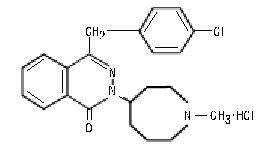
Astelin (R) (azelastine hydrochloride) Nasal Spray, 137 micrograms (mcg), is an antihistamine formulated as a metered-spray solution for intranasal administration. Azelastine hydrochloride occurs as a white, almost odorless, crystalline powder with a bitter taste. It has a molecular weight of 418.37. It is sparingly soluble in water, methanol, and propylene glycol and slightly soluble in ethanol, octanol, and glycerine. It has a melting point of about 225°C and the pH of a saturated solution is between 5.0 and 5.4. Its chemical name is (±)-1-(2H)-phthalazinone,4-[(4-chlorophenyl) methyl]-2-(hexahydro-1-methyl-1H-azepin-4-yl)-, monohydrochloride. Its molecular formula is C 22 H 24 CIN 3 O*HCl with the following chemical structure: Astelin (R) Nasal Spray contains 0.1% azelastine hydrochloride in an aqueous solution at pH 6.8 ± 0.3. It also contains benzalkonium chloride (125 mcg/mL), edetate disodium, hypromellose, citric acid, dibasic sodium phosphate, sodium chloride, and purified water. After priming, each metered spray delivers a 0.137 mL mean volume containing 137 mcg of azelastine hydrochloride (equivalent to 125 mcg of azelastine base). The bottle can deliver 200 metered sprays. Azelastine hydrochloride's structural formula
Astelin (R) Nasal Spray is indicated for the treatment of the symptoms of seasonal allergic rhinitis such as rhinorrhea, sneezing, and nasal pruritus in adults and children 5 years and older, and for the treatment of the symptoms of vasomotor rhinitis, such as rhinorrhea, nasal congestion and postnasal drip in adults and children 12 years and older.
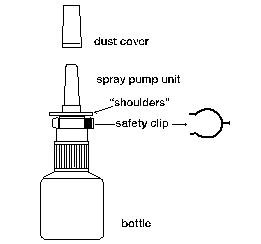
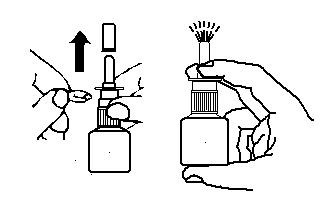
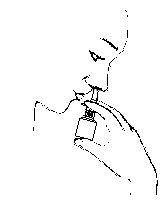
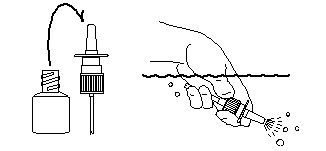
Seasonal Allergic Rhinitis The recommended dose of Astelin (R) Nasal Spray in adults and children 12 years and older with seasonal allergic rhinitis is one or two sprays per nostril twice daily. The recommended dose of Astelin (R) Nasal Spray in children 5 years to 11 years of age is one spray per nostril twice daily. Vasomotor Rhinitis The recommended dose of Astelin (R) Nasal Spray in adults and children 12 years and older with vasomotor rhinitis is two sprays per nostril twice daily. Before initial use, the delivery system should be primed with 4 sprays or until a fine mist appears. When 3 or more days have elapsed since the last use, the pump should be reprimed with 2 sprays or until a fine mist appears. CAUTION: Avoid spraying in the eyes. Directions for Use: Illustrated patient instructions for proper use accompany each package of Astelin (R) Nasal Spray.
Astelin (R) Nasal Spray is contraindicated in patients with a known hypersensitivity to azelastine hydrochloride or any of its components.
To report SUSPECTED ADVERSE REACTIONS, contact Meda Pharmaceuticals Inc. at 1-800-526-3840 or FDA at 1-800-FDA-1088 or www.fda.gov/medwatch . Seasonal Allergic Rhinitis Astelin (R) Nasal Spray Two Sprays Per Nostril Twice Daily Adverse experience information for Astelin (R) Nasal Spray is derived from six well-controlled, 2-day to 8-week clinical studies which included 391 patients who received Astelin (R) Nasal Spray at a dose of 2 sprays per nostril twice daily. In placebo-controlled efficacy trials, the incidence of discontinuation due to adverse reactions in patients receiving Astelin (R) Nasal Spray was not different from vehicle placebo (2.2% vs 2.8%, respectively). In these clinical studies, adverse events that occurred more often in patients treated with Astelin (R) Nasal Spray versus vehicle placebo included bitter taste (19.7% vs. 0.6%), somnolence (11.5% vs. 5.4%), weight increase (2.0% vs. 0%), and myalgia (1.5% vs. 0%). The following table contains adverse events that were reported with frequencies ?2% in the Astelin (R) Nasal Spray 2 sprays per nostril twice daily treatment group and more frequently than placebo in short-term (?2 days) and long-term (2-8 weeks) clinical trials. ADVERSE EVENT Astelin (R) Nasal Spray n = 391 Vehicle Placebo n = 353 Bitter Taste 19.7 0.6 Headache 14.8 12.7 Somnolence 11.5 5.4 Nasal Burning 4.1 1.7 Pharyngitis 3.8 2.8 Dry Mouth 2.8 1.7 Paroxysmal Sneezing 3.1 1.1 Nausea 2.8 1.1 Rhinitis 2.3 1.4 Fatigue 2.3 1.4 Dizziness 2.0 1.4 Epistaxis 2.0 1.4 Weight Increase 2.0 0.0 Astelin (R) Nasal Spray One Spray Per Nostril Twice Daily Adverse experience information for Astelin (R) Nasal Spray at a dose of one spray per nostril twice daily is derived from two placebo-controlled 2-week clinical studies which included 276 patients. None of the patients receiving Astelin (R) Nasal Spray were discontinued from these studies due to adverse reactions. Three patients receiving vehicle placebo were discontinued due to adverse reactions. Bitter taste was reported in 8.3% of patients compared to none in the placebo group. Somnolence was reported in 0.4% of patients compared to none in the placebo group. A total of 176 patients 5 to 12 years of age were exposed to Astelin (R) Nasal Spray at a dose of 1 spray each nostril twice daily in 3 placebo-controlled studies. In these studies, adverse events that occurred more frequently in patients treated with Astelin (R) Nasal Spray than with placebo, and that were not represented in the adult adverse event table above include rhinitis/cold symptoms (17.0% vs 9.5%), cough (11.4% vs 8.3%), conjunctivitis (5.1% vs 1.8%), and asthma (4.5% vs 4.1%). The following events were observed infrequently (<2% and exceeding placebo incidence) in patients who received Astelin (R) Nasal Spray dosed at 1 or 2 sprays per nostril twice daily in U.S. clinical trials. Cardiovascular: flushing, hypertension, tachycardia. Dermatological: contact dermatitis, eczema, hair and follicle infection, furunculosis, skin laceration. Digestive: constipation, gastroenteritis, glossitis, ulcerative stomatitis, vomiting, increased SGPT, aphthous stomatitis, diarrhea, toothache. Metabolic and Nutritional: increased appetite. Musculoskeletal: myalgia, temporomandibular dislocation, rheumatoid arthritis. Neurological: hyperkinesia, hypoesthesia, vertigo. Psychological: anxiety, depersonalization, depression, nervousness, sleep disorder, thinking abnormal. Respiratory: bronchospasm, coughing, throat burning, laryngitis, bronchitis, dry throat, nocturnal dyspnea, nasopharyngitis, nasal congestion, pharyngolaryngeal pain, sinusitis, nasal dryness, paranasal sinus hypersecretion, post nasal drip. Special Senses: conjunctivitis, eye abnormality, eye pain, watery eyes, taste loss. Urogenital: albuminuria, amenorrhea, breast pain, hematuria, increased urinary frequency. Whole Body: allergic reaction, back pain, herpes simplex, viral infection, malaise, pain in extremities, abdominal pain, pyrexia. ADVERSE REACTIONS Vasomotor Rhinitis Adverse experience information for Astelin (R) Nasal Spray is derived from two placebo-controlled clinical studies which included 216 patients who received Astelin (R) Nasal Spray at a dose of 2 sprays per nostril twice daily for up to 28 days. The incidence of discontinuation due to adverse reactions in patients receiving Astelin (R) Nasal Spray was not different from vehicle placebo (2.8% vs 2.9%, respectively). The following adverse events were reported with frequencies ? 2% in the Astelin (R) Nasal Spray treatment group and more frequently than placebo. ADVERSE EVENT Astelin (R) Nasal Spray n = 216 Vehicle Placebo n = 210 Bitter Taste 19.4 2.4 Headache 7.9 7.6 Dysesthesia 7.9 3.3 Rhinitis 5.6 2.4 Epistaxis 3.2 2.4 Sinusitis 3.2 1.9 Somnolence 3.2 1.0 Events observed infrequently (<2% and exceeding placebo incidence) in patients who received Astelin (R) Nasal Spray (2 sprays/nostril twice daily) in U.S. clinical trials in vasomotor rhinitis were similar to those observed in U.S. clinical trials in seasonal allergic rhinitis. In controlled trials involving nasal and oral azelastine hydrochloride formulations, there were infrequent occurrences of hepatic transaminase elevations. The clinical relevance of these reports has not been established. In addition, the following spontaneous adverse events have been reported during the marketing of Astelin (R) Nasal Spray and causal relationship with the drug is unknown: anaphylactoid reaction, application site irritation, atrial fibrillation, chest pain, confusion, dyspnea, facial edema, involuntary muscle contractions, palpitations, paresthesia, parosmia, pruritus, rash, disturbance or loss of sense of smell and/or taste, tolerance, urinary retention, vision abnormal and xerophthalmia.
Concurrent use of Astelin (R) Nasal Spray with alcohol or other CNS depressants should be avoided because additional reductions in alertness and additional impairment of CNS performance may occur. Cimetidine (400 mg twice daily) increased the mean Cmax and AUC of orally administered azelastine hydrochloride (4 mg twice daily) by approximately 65%. Ranitidine hydrochloride (150 mg twice daily) had no effect on azelastine pharmacokinetics. Interaction studies investigating the cardiac effects, as measured by the corrected QT interval (QTc), of concomitantly administered oral azelastine hydrochloride and erythromycin or ketoconazole were conducted. Oral erythromycin (500 mg three times daily for seven days) had no effect on azelastine pharmacokinetics or QTc based on analyses of serial electrocardiograms. Ketoconazole (200 mg twice daily for seven days) interfered with the measurement of azelastine plasma concentrations; however, no effects on QTc were observed. No significant pharmacokinetic interaction was observed with the coadministration of an oral 4 mg dose of azelastine hydrochloride twice daily and theophylline 300 mg or 400 mg twice daily.