
İHALE DÜNYASI
İHALE DÜNYASI
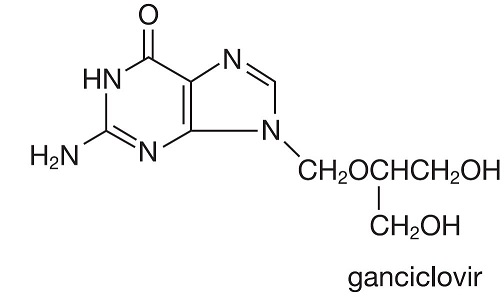
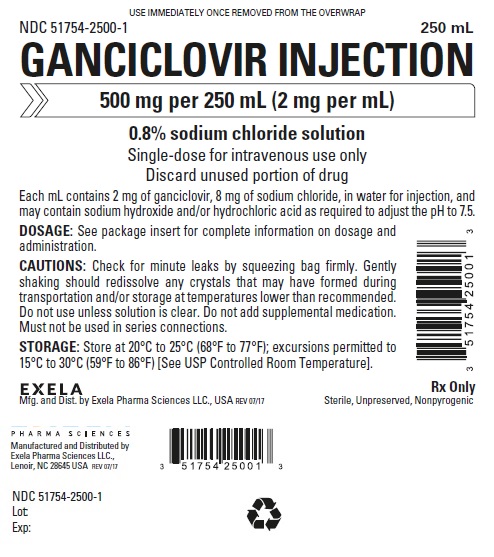
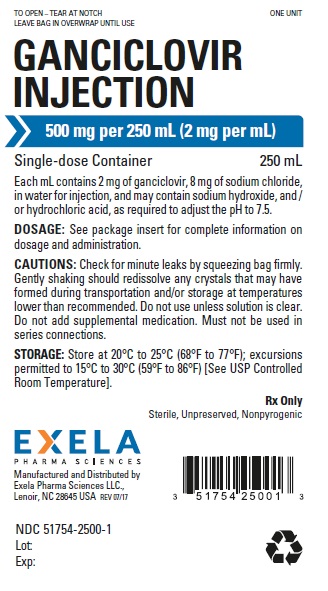
GANCICLOVIR INJECTION, 500 mg is a sterile, unpreserved solution for intravenous administration. The appearance of the solution is clear and colorless. Each mL contains 2.0 mg of ganciclovir, 8.0 mg of sodium chloride in water for injection, and may contain sodium hydroxide, and/or hydrochloric acid, as required to adjust the pH to 7.5. Ganciclovir, an antiviral agent, is a synthetic guanine derivative, 9-[[2-hydroxy-1-(hydroxymethyl)- ethoxy]methyl]guanine. Ganciclovir is a white to off-white crystalline powder with a molecular formula of C 9 H 13 N 5 0 4 and a molecular weight of 255.23. Ganciclovir is a polar hydrophilic compound with a solubility of 2.6 mg/mL in water at 25°C and an n-octanol/water partition coefficient of 0.022. The pK a s for ganciclovir are 2.2 and 9.4. The chemical structure of ganciclovir is: The plastic container is fabricated from a multilayer film designed for medical use. The solution is in contact with the inner polypropylene layer of the container. No components of the plastic container material were found to migrate into the solution. Structure
GANCICLOVIR INJECTION is a nucleoside analogue CMV DNA polymerase inhibitor indicated for the: Treatment of CMV retinitis in immunocompromised adult patients, including patients with acquired immunodeficiency syndrome (AIDS). ( 1.1 ) Prevention of CMV disease in adult transplant recipients at risk for CMV disease. ( 1.2 ) 1.1 Treatment of CMV Retinitis GANCICLOVIR INJECTION is indicated for the treatment of cytomegalovirus (CMV) retinitis in immunocompromised adult patients, including patients with acquired immunodeficiency syndrome (AIDS) [see Clinical Studies ( 14 )] . 1.2 Prevention of CMV Disease in Transplant Recipients GANCICLOVIR INJECTION is indicated for the prevention of CMV disease in adult transplant recipients at risk for CMV disease [see Clinical Studies ( 14 ) ] .
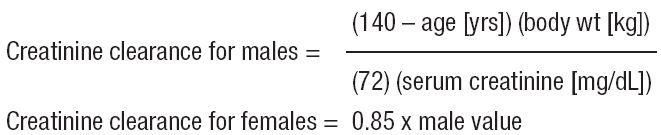
Dosage in Adult Patients with Normal Renal Function ( 2.3 , 2.4 ) Treatment of CMV retinitis ( 2.3 ) Induction: 5 mg/kg (given intravenously at a constant rate over 1 hour) every 12 hours for 14 to 21 days. Maintenance: 5 mg/kg (given intravenously at a constant rate over 1 hour) once daily for 7 days per week, or 6 mg/kg once daily for 5 days per week. Prevention of CMV disease in transplant recipients ( 2.4 ) Induction: 5 mg/kg (given intravenously at a constant rate over 1 hour) every 12 hours for 7 to 14 days. Maintenance: 5 mg/kg (given intravenously at a constant rate over 1 hour) once daily for 7 days per week, or 6 mg/kg once daily for 5 days per week until 100 to 120 days post-transplantation. Adult patients with renal impairment: Adjust dosage based on creatinine clearance. ( 2.5 ) 2.1 Important Dosing and Administration Information Do not administer GANCICLOVIR INJECTION by rapid or bolus intravenous injection which may increase toxicity as a result of excessive plasma levels. The recommended dosage and infusion rate for GANCICLOVIR INJECTION should not be exceeded. Administration of GANCICLOVIR INJECTION should be accompanied by adequate hydration. GANCICLOVIR INJECTION should only be infused into veins with adequate blood flow to permit rapid dilution and distribution. Parenteral drug products should be inspected visually for particulate matter and discoloration prior to administration, whenever solution and container permit. 2.2 Testing Before and During Treatment Females of reproductive potential should undergo pregnancy testing before initiation of GANCICLOVIR INJECTION [see Warnings and Precautions ( 5.4 ), Use in Specific Populations ( 8.1 , 8.3 )]. Complete blood counts with differential and platelet counts should be performed frequently, especially in patients in whom ganciclovir or other nucleoside analogues have previously resulted in cytopenias, or in whom absolute neutrophil counts are less than 1000 cells/?L at the beginning of treatment [see Warnings and Precautions ( 5.1 )] . All patients should be monitored for renal function before and during treatment with GANCICLOVIR INJECTION and dosage should be adjusted as needed [see Dosage and Administration ( 2.5 ), Warnings and Precautions ( 5.2 )]. Patients with CMV retinitis should have frequent ophthalmological examinations during treatment with GANCICLOVIR INJECTION to monitor disease status and for other retinal abnormalities [see Adverse Reactions ( 6.1 )]. 2.3 Recommended Dosage for Treatment of CMV Retinitis in Adult Patients with Normal Renal Function Induction Dosage: The recommended initial dosage of GANCICLOVIR INJECTION for patients with normal renal function is 5 mg/kg (given intravenously at a constant rate over 1 hour) every 12 hours for 14 to 21 days. Maintenance Dosage: Following induction treatment, the recommended maintenance dosage of GANCICLOVIR INJECTION is 5 mg/kg (given intravenously at a constant rate over 1 hour) once daily for 7 days per week, or 6 mg/kg once daily for 5 days per week. 2.4 Recommended Dosage for Prevention of CMV Disease in Adult Transplant Recipients with Normal Renal Function Induction Dosage : The recommended initial dosage of GANCICLOVIR INJECTION for patients with normal renal function is 5 mg/kg (given intravenously at a constant rate over 1 hour) every 12 hours for 7 to 14 days. Maintenance Dosage : Following induction, the recommended maintenance dosage of GANCICLOVIR INJECTIONS is 5 mg/kg (given intravenously at a constant rate over 1 hour) once daily for 7 days per week, or 6 mg/kg once daily for 5 days per week until 100 to 120 days post-transplantation. 2.5 Recommended Dosage in Adult Patients with Renal Impairment For patients with renal impairment, refer to Table 1 for recommended doses of GANCICLOVIR INJECTION for induction and maintenance dosage for treatment of CMV retinitis and prevention of CMV disease in transplant patients. Monitor serum creatinine or creatinine clearance during treatment to allow for dosage adjustments in patients with impaired renal function. Table 1. Recommended Induction and Maintenance Dosage for Adult Patients with Renal Impairment Creatinine Clearance* (mL/min) GANCICLOVIR INJECTION Induction Dose (mg/kg) Dosing Interval (hours) for Induction GANCICLOVIR INJECTION Maintenance Dose (mg/kg) Dosing Interval (hours) for Maintenance Greater than or equal to 70 5 12 5 24 50-69 2.5 12 2.5 24 25-49 2.5 24 1.25 24 10-24 1.25 24 0.625 24 Less than 10 1.25 3 times per week, following hemodialysis 0.625 3 times per week, following hemodialysis * Creatinine clearance can be related to serum creatinine by the formulas given below: Dosing for patients undergoing hemodialysis should not exceed 1.25 mg per kg 3 times per week, following each hemodialysis session. GANCICLOVIR INJECTION should be given shortly after completion of the hemodialysis session, since hemodialysis has been shown to reduce plasma levels by approximately 50% [see Clinical Pharmacology ( 12.3 )] . Creatinine Clearance Formulas 2.6 Handling and Disposal Because ganciclovir shares some of the properties of antitumor agents (i.e., carcinogenicity and mutagenicity), procedures for proper handling and disposal for cytotoxic drugs should be considered 1 [see How Supplied/Storage and Handling ( 16 )] . The premix flexible plastic container bag contains no preservative; therefore, any unused portion should be discarded after each use.
GANCICLOVIR INJECTION is contraindicated in patients who have experienced a clinically significant hypersensitivity reaction (e.g., anaphylaxis) to ganciclovir, valganciclovir or acyclovir. Hypersensitivity to ganciclovir, valganciclovir or acyclovir. ( 4 )
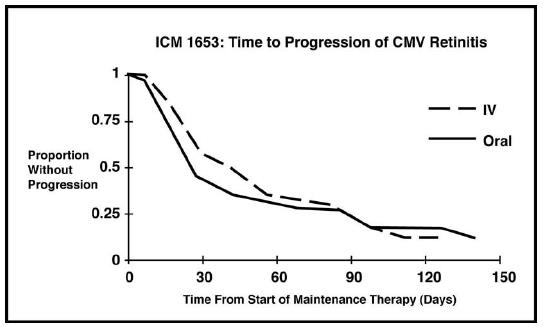
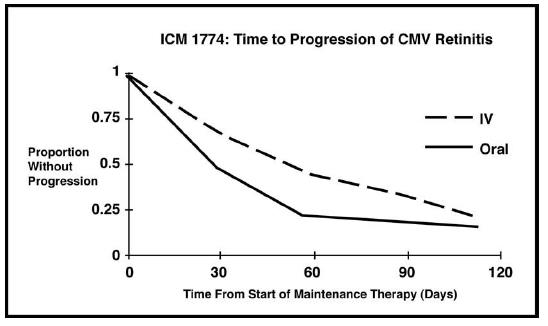
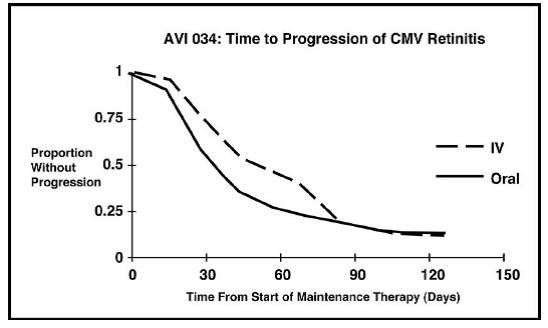
The following adverse reactions are discussed in other sections of the labeling: Hematologic Toxicity [see Warnings and Precautions ( 5.1 )] Impairment of Renal Function [see Warnings and Precautions ( 5.2 )] Impairment of Fertility [see Warnings and Precautions ( 5.3 )] Fetal Toxicity [see Warnings and Precautions ( 5.4 )] Mutagenesis and Carcinogenesis [see Warnings and Precautions ( 5.5 )] Most common adverse reactions and laboratory abnormalities reported in at least 20% of patients were fever, diarrhea, leukopenia, anemia, catheter-related events (including catheter infection and catheter sepsis), and elevated creatinine levels. ( 6.1 ) To report SUSPECTED ADVERSE REACTIONS, Contact Exela Pharma Sciences, LLC at 1-888-451-4321 or FDA at 1-800-FDA-1088 or www.fda.gov/ medwatch . 6.1 Clinical Trials Experience Because clinical trials are conducted under widely varying conditions, adverse reaction rates observed in the clinical trials of a drug cannot be directly compared to rates in the clinical trials of another drug and may not reflect the rates observed in practice. Adverse Reactions in Patients with CMV Retinitis Three controlled, randomized, phase 3 trials comparing intravenous ganciclovir and ganciclovir capsules for maintenance treatment of CMV retinitis have been completed. During these trials, 9% of subjects were prematurely discontinued because of adverse reactions. Selected adverse reactions and laboratory abnormalities reported during the conduct of these controlled trials are summarized in Table 2 and Table 3, respectively [see Clinical Studies ( 14 )] . Table 2. Pooled Selected Adverse Events Reported in ? 5% of Subjects Comparing Intravenous Ganciclovir to Ganciclovir Capsules for Maintenance Treatment of CMV Retinitis Adverse Event Maintenance Treatment Studies Intravenous Ganciclovir (n=179) Ganciclovir Capsules (n=326) Fever 48% 38% Diarrhea 44% 41% Leukopenia 41% 29% Anemia 25% 19% Total catheter events: 22% 6% Catheter infection 9% 4% Catheter sepsis 8% 1% Other catheter related events 5% 1% Sepsis 15% 4% Anorexia 14% 15% Vomiting 13% 13% Infection 13% 9% Sweating 12% 11% Chills 10% 7% Neuropathy 9% 8% Thrombocytopenia 6% 6% Pruritus 5% 6% Retinal Detachment Retinal detachment has been observed in subjects with CMV retinitis both before and after initiation of therapy with ganciclovir. Its relationship to therapy with ganciclovir is unknown. Retinal detachment occurred in 11% of patients treated with intravenous ganciclovir and in 8% of patients treated with ganciclovir capsules. Table 3. Selected Laboratory Abnormalities in Trials for Treatment of CMV Retinitis Laboratory Abnormalities CMV Retinitis Treatment* Intravenous Ganciclovir? 5mg/kg/day (N=175) % Ganciclovir Capsules? 3000mg/day (N=320) % Neutropenia with Absolute Neutrophil Count (ANC) per µL: <500 25% 18% 500 - <749 14% 17% 750 - <1000 16% 19% Anemia with Hemoglobin (g/dL): <6.5 5% 2% 6.5 - <8.0 16% 10% 8.0 - <9.5 26% 25% Serum Creatinine (mg/dL): ?2.5 2% 1% ?1.5 - <2.5 14% 12% * Pooled data from treatment studies ICM 1653, ICM 1774, and AVI 034 ? Mean time on therapy = 103 days, including allowed re-induction treatment periods ? Mean time on therapy = 91 days, including allowed re-induction treatment periods Adverse Reactions in Transplant Recipients There have been three controlled clinical trials of intravenous ganciclovir for the prevention of CMV disease in transplant recipients. Selected laboratory abnormalities are summarized in Tables 4 and 5 below. Table 4 shows the frequency of neutropenia and thrombocytopenia and Table 5 shows the frequency of elevated serum creatinine values observed in these trials [see Clinical Studies ( 14 )]. Table 4. Laboratory Abnormalities in Controlled Trials - Transplant Recipients who Received Intravenous Ganciclovir or Placebo Laboratory Abnormalities Heart Allograft* Bone Marrow Allograft? Intravenous Ganciclovir (N=76) Placebo (n=73) Intravenous Ganciclovir (n=57) Control (n=55) Neutropenia Absolute Neutrophil Count (ANC) per µL: <500 4% 3% 12% 6% <500-1000 3% 8% 29% 17% TOTAL ANC ?1000/µL 7% 11% 41% 23% Thrombocytopenia Platelet count per µL: <25,000 3% 1% 32% 28% 25,000-50,000 5% 3% 25% 37% TOTAL Platelet Count ?50,000/µL 8% 4% 57% 65% Table 5. Serum Creatinine Levels in Controlled Trials - Transplant Recipients who Received Intravenous Ganciclovir or Placebo Serum Creatinine Levels (mg/dL) Heart Allograft ICM 1496 Bone Marrow Allograft ICM 1570 Bone Marrow Allograft ICM 1689 Intravenous Ganciclovir (N=76) Placebo (n=73) Intravenous Ganciclovir (n=20) Placebo (n=73) Intravenous Ganciclovir (n=37) Placebo (n=35) ?2.5 18% 14% 20% 0% 0% 0% ?1.5 - <2.5 58% 69% 50% 35% 43% 44% Other Adverse Reactions in Clinical Trials in Patients with CMV Retinitis and in Transplant Recipients Other adverse reactions with intravenous ganciclovir or ganciclovir capsules in controlled clinical studies in either subjects with AIDS or transplant recipients are listed below [see Clinical Studies (14)]. All these events occurred in at least 3 subjects. Ear and labyrinth disorders: tinnitus Eye disorders: abnormal vision, vitreous disorder Gastrointestinal disorders: enlarged abdomen, aphthous stomatitis, constipation, dyspepsia, eructation, gastrointestinal perforation, pancreatitis, dry mouth General disorders and administration site conditions: asthenia, injection site inflammation, edema, malaise, multiple organ failure, pain, chest pain Blood and lymphatic system disorders: pancytopenia Infections and infestations: sepsis Investigations: abnormal liver function test, decreased creatinine clearance Metabolism and nutritional disorders: weight loss Musculoskeletal and connective tissue disorders: arthralgia, leg cramps, myalgia, myasthenia Renal and urinary disorders: kidney failure, abnormal kidney function, urinary frequency Respiratory, thoracic and mediastinal disorders: increased cough, dyspnea Nervous system disorders: confusion, dizziness, headache, insomnia, seizures, somnolence, abnormal thinking, tremor, taste perversion Psychiatric disorders: abnormal dreams, anxiety, depression Skin and subcutaneous disorders: alopecia, dry skin Vascular disorders: hypertension, phlebitis, vasodilation 6.2 Postmarketing Experience The following adverse reactions have been identified during post-approval use of intravenous ganciclovir. Because these reactions are reported voluntarily from a population of uncertain size, it is not always possible to reliably estimate their frequency or establish a causal relationship to drug exposure. Blood and lymphatic system disorders: hemolytic anemia Cardiac disorders: cardiac arrest, cardiac conduction abnormality, torsades de pointes, ventricular tachycardia Congenital, familial and genetic disorders: congenital anomaly Eye disorders: cataracts, dry eyes Gastrointestinal disorders: intestinal ulceration Hepatobiliary disorders: hepatic failure, cholestasis, cholelithiasis, hepatitis Immune system disorders: anaphylactic reaction, allergic reaction, vasculitis Investigations: increased blood triglycerides, increased blood antidiuretic hormone Metabolism and nutrition disorders: acidosis, hypercalcemia, hyponatremia Musculoskeletal and connective tissue disorders: arthritis, rhabdomyolysis Nervous system disorders: dysesthesia, dysphasia, encephalopathy, extrapyramidal disorder, facial palsy, intracranial hypertension, loss of memory, loss of smell, myelopathy, oculomotor nerve paralysis, stroke Renal and urinary disorders: hemolytic uremic syndrome, renal tubular disorder Reproductive system and breast disorders: infertility, testicular hypotrophy Respiratory, thoracic and mediastinal disorders: bronchospasm, pulmonary fibrosis Psychiatric disorders: hallucinations, irritability Skin and subcutaneous tissue disorders: exfoliative dermatitis, Stevens-Johnson syndrome Vascular disorders: peripheral ischemia
Hematologic toxicity: Granulocytopenia (neutropenia), anemia, thrombocytopenia, and pancytopenia have been reported with use of ganciclovir. Avoid the use of GANCICLOVIR INJECTION if absolute neutrophil count is less than 500 cells/µL, hemoglobin is less than 8 g/dL, or platelet count is less than 25,000 cells/µL. Use with caution in patients with pre-existing cytopenias or in patients receiving myelosuppressive drugs or irradiation. Monitor with frequent complete blood and platelet counts. ( 5.1 ) Impairment of renal function: Increased serum creatinine levels have been observed with the use of ganciclovir, particularly in elderly patients and transplant patients receiving concomitant nephrotoxic drugs. Monitor renal function during therapy with GANCICLOVIR INJECTION, particularly in elderly patients and in patients taking other nephrotoxic drugs, and reduce dosage in patients with renal impairment. ( 5.2 ) Impairment of fertility: Based on animal studies, GANCICLOVIR INJECTION may cause temporary or permanent female and male infertility. ( 5.3 ) Fetal toxicity: Based on findings in animal studies, GANCICLOVIR INJECTION may cause fetal toxicity. Females of reproductive potential should use effective contraception during treatment and for at least 30 days following treatment with GANCICLOVIR INJECTION. Males should practice barrier contraception during treatment and for at least 90 days following treatment with GANCICLOVIR INJECTION. ( 5.4 ) Mutagenicity and carcinogenicity: Based on animal studies, GANCICLOVIR INJECTION is potentially mutagenic and carcinogenic. ( 5.5 ) 5.1 Hematologic Toxicity Granulocytopenia (neutropenia), anemia, thrombocytopenia, and pancytopenia have been observed in patients treated with ganciclovir. The frequency and severity of these events vary widely in different patient populations [see Adverse Reactions ( 6.1 )]. GANCICLOVIR INJECTION is not recommended if the absolute neutrophil count is less than 500 cells/?L, hemoglobin is less than 8 g/dL, or the platelet count is less than 25,000 cells/?L. GANCICLOVIR INJECTION should also be used with caution in patients with pre-existing cytopenias and in patients receiving myelosuppressive drugs or irradiation. Neutropenia usually occurs during the first or second week of treatment but may occur at any time during treatment. Cell counts usually begin to recover within 3 to 7 days after discontinuing drug. Colony-stimulating factors have been shown to increase neutrophil and white blood cell counts in patients receiving ganciclovir for treatment of CMV retinitis. Due to the frequency of neutropenia, anemia and thrombocytopenia in patients receiving GANCICLOVIR INJECTION, complete blood counts with differential and platelet counts should be performed frequently, especially in patients in whom ganciclovir or other nucleoside analogues have previously resulted in leukopenia, or in whom neutrophil counts are less than 1000 cells/µL at the beginning of treatment [see Dosage and Administration ( 2.2 )] . 5.2 Impairment of Renal Function Increased serum creatinine levels have been reported in elderly patients and in transplant patients receiving concomitant nephrotoxic medications (i.e., cyclosporine and amphotericin B). Monitoring renal function during therapy with GANCICLOVIR INJECTION is essential, especially for elderly patients and those patients receiving concomitant agents that may cause nephrotoxicity [see Dosage and Administration ( 2.5 ), Use in Specific Populations ( 8.5 )] . 5.3 Impairment of Fertility Based on animal data, GANCICLOVIR INJECTION at the recommended human dose (RHD) may cause temporary or permanent inhibition of spermatogenesis in males, and may cause suppression of fertility in females. Advise patients that fertility may be impaired with use of GANCICLOVIR INJECTION [see Use in Specific Population ( 8.1 ), Nonclinical Toxicology ( 13.1 )] . 5.4 Fetal Toxicity GANCICLOVIR INJECTION may cause fetal toxicity when administered to pregnant women based on findings in animal studies. Systemic exposure of ganciclovir in animals at approximately 2 times the RHD caused fetal growth retardation, embryolethality, teratogenicity, and/or maternal toxicity. Teratogenic changes in animals included cleft palate, anophthalmia/microphthalmia, aplastic organs (kidney and pancreas), hydrocephaly and brachygnathia. Women of childbearing potential should be advised to use effective contraception during treatment and for at least 30 days following treatment with GANCICLOVIR INJECTION. Similarly, men should be advised to practice barrier contraception during and for at least 90 days following treatment with GANCICLOVIR INJECTION [see Use in Specific Populations ( 8.1 , 8.3 ), Nonclinical Toxicology ( 13.1 )] . 5.5 Mutagenesis and Carcinogenesis Animal data indicate that ganciclovir is mutagenic and carcinogenic. GANCICLOVIR INJECTION should therefore be considered a potential carcinogen in humans [see Dosage and Administration ( 2.6 ), Nonclinical Toxicology ( 13.1 )] . --- BOXED WARNING: WARNING: HEMATALOGIC TOXICITY, IMPAIRMENT OF FERTILITY, TERATOGENICITY, and CARCINOGENICITY Hematologic Toxicity: Granulocytopenia, anemia, thrombocytopenia, and pancytopenia have been reported in patients treated with ganciclovir [see Warnings and Precautions ( 5.1 )]. Impairment of Fertility: Based on animal data, GANCICLOVIR INJECTION may cause temporary or permanent inhibition of spermatogenesis in males and suppression of fertility in females [see Warnings and Precautions ( 5.3 )]. Fetal Toxicity: Based on animal data, GANCICLOVIR INJECTION has the potential to cause birth defects in humans [see Warnings and Precautions ( 5.4 )]. Mutagenesis and Carcinogenesis: Based on animal data, GANCICLOVIR INJECTION has the potential to cause cancer in humans [see Warnings and Precautions ( 5.5 )]. WARNING: HEMATALOGIC TOXICITY, IMPAIRMENT OF FERTILITY, TERATOGENICITY, and CARCINOGENICITY See full prescribing information for complete boxed warning. Hematologic Toxicity: Granulocytopenia, anemia, thrombocytopenia, and pancytopenia have been reported in patients treated with ganciclovir. ( 5.1 ) Impairment of Fertility: Based on animal data, GANCICLOVIR INJECTION may cause temporary or permanent inhibition of spermatogenesis in males and suppression of fertility in females. ( 5.2 ) Fetal Toxicity: Based on animal data, GANCICLOVIR INJECTION has the potential to cause birth defects in humans. ( 5.3 ) Mutagenesis and Carcinogenesis: Based on animal data, GANCICLOVIR INJECTION has the potential to cause cancer in humans. ( 5.4 )
Established and other potentially significant drug interactions conducted with ganciclovir are listed in Table 6 [see Clinical Pharmacology ( 12.3 )] . Table 6. Established and Other Potentially Significant Drug Interactions with Ganciclovir Name of the Concomitant Drug Change in the Concentration of Ganciclovir or Concomitant Drug Clinical Comment Didanosine ? Didanosine Patients should be closely monitored for didanosine toxicity. Zidovudine ? Ganciclovir ? Zidovudine Dose reduction or interruption may be needed because both zidovudine and ganciclovir have the potential to cause neutropenia and anemia. Monitor with frequent tests of white blood cell counts with differential and hemoglobin levels. Probenecid ? Ganciclovir GANCICLOVIR INJECTION dose may need to be reduced. Monitor for evidence of ganciclovir toxicity. Imipenem-cilastatin Unknown Coadministration with imipenem-cilastatin is not recommended because generalized seizures have been reported in patients who received ganciclovir and imipenem-cilastatin. Cyclosporine or amphotericin B Unknown Monitor renal function when GANCICLOVIR INJECTION is co-administered with cyclosporine or amphotericin B because of potential increase in serum creatinine [see Warnings and Precautions ( 5.2 )]. Dapsone, pentamidine, flucytosine, vincristine, vinblastine, adriamycin, amphotericin B, trimethoprim/sulfamethoxazole combinations or other nucleoside analogues Unknown Co-administration with GANCICLOVIR INJECTION should be considered only if the potential benefits are judged to outweigh the risks because of potential additive toxicity. Didanosine: Patients should be closely monitored for didanosine toxicity. ( 7 ) Zidovudine: Potential to cause neutropenia and anemia. Monitor with frequent tests of white blood cell counts with differential and hemoglobin levels. ( 7 ) Probenecid: Ganciclovir dose may need to be reduced. Monitor for evidence of ganciclovir toxicity. ( 7 ) Imipenem-cilastatin: Generalized seizures have been reported in patients with concomitant use of ganciclovir and imipenem-cilastatin. ( 7 ) Cyclosporine or amphotericin B: Monitor renal function. ( 5.2 , 7 ) Drugs such as dapsone, pentamidine, flucytosine, vincristine, vinblastine, adriamycin, amphotericin B, trimethoprim/sulfamethoxazole combinations or other nucleoside analogues should be considered for concomitant use with ganciclovir only if the potential benefits are judged to outweigh the risks. ( 7 )