
İHALE DÜNYASI
İHALE DÜNYASI
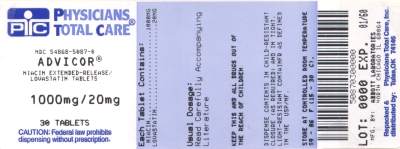
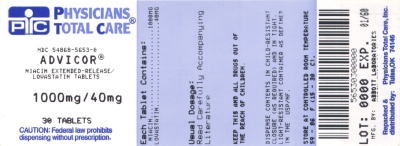
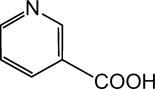
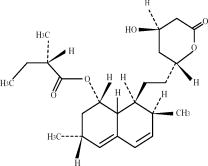
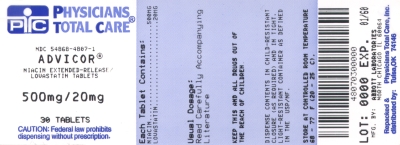
ADVICOR (R) (niacin extended-release and lovastatin) is intended to facilitate the daily administration of its individual components, Niaspan (R) and lovastatin, when used together for the intended patient population (see INDICATIONS AND USAGE and DOSAGE AND ADMINISTRATION ). ADVICOR contains niacin extended-release and lovastatin in combination. Lovastatin, an inhibitor of 3-hydroxy-3-methylglutaryl-coenzyme A (HMG-CoA) reductase, and niacin are both lipid-altering agents. Niacin is nicotinic acid, or 3-pyridinecarboxylic acid. Niacin is a white, nonhygroscopic crystalline powder that is very soluble in water, boiling ethanol and propylene glycol. It is insoluble in ethyl ether. The empirical formula of niacin is C 6 H 5 NO 2 and its molecular weight is 123.11. Niacin has the following structural formula: Lovastatin is [1S -[1(alpha)(R *), 3(alpha), 7(beta), 8(beta)(2S *, 4S *), 8a(beta)]]-1,2,3, 7,8,8a-hexahydro-3,7-dimethyl-8-[2-(tetrahydro-4-hydroxy-6-oxo-2H-pyran-2-yl) ethyl]-1-naphthalenyl 2-methylbutanoate. Lovastatin is a white, nonhygroscopic crystalline powder that is insoluble in water and sparingly soluble in ethanol, methanol, and acetonitrile. The empirical formula of lovastatin is C 24 H 36 O 5 and its molecular weight is 404.55. Lovastatin has the following structural formula: ADVICOR tablets contain the labeled amount of niacin and lovastatin and have the following inactive ingredients: hypromellose, povidone, stearic acid, polyethylene glycol, titanium dioxide, polysorbate 80. The individual tablet strengths (expressed in terms of mg niacin/mg lovastatin) contain the following coloring agents: ADVICOR 500 mg/20 mg - Iron Oxide Yellow, Iron Oxide Red. ADVICOR 750 mg/20 mg - FD&C Yellow #6/Sunset Yellow FCF Aluminum Lake. ADVICOR 1000 mg/20 mg - Iron Oxide Red, Iron Oxide Yellow, Iron Oxide Black. ADVICOR 1000 mg/40 mg - Iron Oxide Red. Chemical formula for Niacin. Chemical formula for Lovastatin.
Therapy with lipid-altering agents should be only one component of multiple risk-factor intervention in individuals at significantly increased risk for atherosclerotic vascular disease due to hypercholesterolemia. Drug therapy is indicated as an adjunct to diet when the response to a diet restricted in saturated fat and cholesterol and other nonpharmacologic measures alone has been inadequate (see also Table 8 and the NCEP treatment guidelines 1 ). ADVICOR ADVICOR (niacin extended-release and lovastatin) is indicated for use when treatment with both NIASPAN and lovastatin is appropriate. As described in the labeling for Niaspan and lovastatin below, the components of ADVICOR are both indicated for the treatment of hypercholesterolemia. Patients receiving treatment with ADVICOR should be on a standard cholesterol-lowering diet and should continue on this diet during treatment. NIASPAN (niacin extended-release) Hypercholesterolemia NIASPAN is indicated as an adjunct to diet for reduction of elevated TC, LDL-C, Apo B and TG levels, and to increase HDL-C in patients with primary hypercholesterolemia (heterozygous familial and nonfamilial) and mixed dyslipidemia ( Table 7 ), when the response to an appropriate diet has been inadequate. Secondary Prevention of Cardiovascular Events In patients with a history of myocardial infarction and hypercholesterolemia, niacin is indicated to reduce the risk of recurrent nonfatal myocardial infarction. Hypertriglyceridemia Niacin is also indicated as adjunctive therapy for treatment of adult patients with very high serum triglyceride levels ( Table 7 ) who present a risk of pancreatitis and who do not respond adequately to a determined dietary effort to control them. Such patients typically have serum TG levels over 2000 mg/dL and have elevations of VLDL-C as well as fasting chylomicrons ( Table 7 ). Patients who consistently have total serum or plasma TG below 1000 mg/dL are unlikely to develop pancreatitis. Therapy with niacin may be considered for those patients with TG elevations between 1000 and 2000 mg/dL who have a history of pancreatitis or of recurrent abdominal pain typical of pancreatitis. Some patients with TG under 1000 mg/dL may, through dietary or alcohol indiscretion, convert to a pattern with massive TG elevations accompanying fasting chylomicronemia, but the influence of niacin therapy on risk of pancreatitis in such situations has not been adequately studied. Drug therapy is not indicated for patients with hyperlipoproteinemia, who have elevations of chylomicrons and plasma TG, but who have normal levels of VLDL-C. Lovastatin Hypercholesterolemia Lovastatin is indicated as an adjunct to diet for the reduction of elevated TC and LDL-C levels in patients with primary hypercholesterolemia ( Table 7 ), when the response to diet restricted in saturated fat and cholesterol and to other nonpharmacological measures alone has been inadequate. Primary Prevention of Cardiovascular Events In individuals without symptomatic cardiovascular disease, average to moderately elevated TC and LDL-C, and below average HDL-C, lovastatin is indicated to reduce the risk of: Myocardial infarction Unstable angina Coronary revascularization procedures Secondary Prevention of Cardiovascular Events Lovastatin is also indicated to slow the progression of coronary atherosclerosis in patients with coronary heart disease as part of a treatment strategy to lower TC and LDL-C to target levels. The National Cholesterol Education Program (NCEP) Treatment Guidelines are summarized below: TC = total cholesterol; TG = triglycerides; LDL = low-density lipoprotein; VLDL = very low-density lipoprotein; IDL = intermediate-density lipoprotein ?? = increased or no change Table 7. Classification of Hyperlipoproteinemias Type Lipoproteins Elevated Lipid Elevations I (rare) Chylomicrons Major Minor IIa LDL TG ??TC IIb LDL,VLDL TC - III (rare) IDL TC TG IV VLDL TC/TG - V (rare) Chylomicrons, VLDL TG ??TC General Recommendations Prior to initiating therapy with a lipid-lowering agent, secondary causes for hypercholesterolemia (e.g., poorly controlled diabetes mellitus, hypothyroidism, nephrotic syndrome, dysproteinemias, obstructive liver disease, other drug therapy, alcoholism) should be excluded, and a lipid profile performed to measure TC, HDL-C, and TG. For patients with TG < 400 mg/dL, LDL-C can be estimated using the following equation: LDL-C = TC - [(0.20 x TG) + HDL-C] For TG levels > 400 mg/dL, this equation is less accurate and LDL-C concentrations should be determined by ultracentrifugation. Lipid determinations should be performed at intervals of no less than 4 weeks and dosage adjusted according to the patient's response to therapy. The NCEP Treatment Guidelines are summarized in Table 8 . Table 8. NCEP Treatment Guidelines: LDL-C Goals and Cutpoints for Therapeutic Lifestyle Changes and Drug Therapy in Different Risk Categories Risk Category LDL Goal (mg/dL) LDL Level at Which to Initiate Therapeutic Lifestyle Changes (mg/dL) LDL Level at Which to Consider Drug Therapy (mg/dL) CHD ? or CHD risk equivalents (10-year risk >20%) <100 ? 100 ? 130 (100-129:drug optional) ?? 2+ Risk factors (10-year risk ?20%) <130 ? 130 10-year risk 10%-20%: ? 130 10-year risk <10%: ? 160 0-1 Risk factor ??? <160 ? 160 ? 190 (160-189:LDL-lowering drug optional) ? CHD, coronary heart disease ?? Some authorities recommend use of LDL-lowering drugs in this category if an LDL-C level of <100 mg/dL cannot be achieved by therapeutic lifestyle changes. Others prefer use of drugs that primarily modify triglycerides and HDL-C, e.g., nicotinic acid or fibrate. Clinical judgement also may call for deferring drug therapy in this subcategory. ??? Almost all people with 0-1 risk factor have 10-year risk <10%; thus, 10-year risk assessment in people with 0-1 risk factor is not necessary. After the LDL-C goal has been achieved, if the TG is still ?200 mg/dL, non-HDL-C (TC minus HDL-C) becomes a secondary target of therapy. Non-HDL-C goals are set 30 mg/dL higher than LDL-C goals for each risk category.
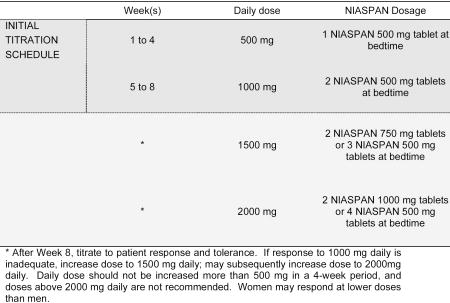
The patient should be placed on a standard cholesterol-lowering diet before receiving ADVICOR or its individual active components and should continue on this diet during treatment with lipid-altering therapy (see NCEP Treatment Guidelines for details on dietary therapy ). ADVICOR ADVICOR should be taken at bedtime, with a low-fat snack. ADVICOR tablets should be taken whole and should not be broken, crushed, or chewed before swallowing. Patients not currently on NIASPAN must start ADVICOR at the lowest initial ADVICOR dose, a single 500 mg/20 mg tablet once daily at bedtime. The dose of ADVICOR should not be increased by more than 500 mg daily (based on the NIASPAN component) every 4 weeks. The dose of ADVICOR should be individualized based on targeted goals for cholesterol and triglycerides, and on patient response. Doses of ADVICOR greater than 2000 mg/40 mg daily are not recommended. If ADVICOR therapy is discontinued for an extended period (>7 days), reinstitution of therapy should begin with the lowest dose of ADVICOR. Flushing of the skin (see ADVERSE REACTIONS ) may be reduced in frequency or severity by pretreatment with aspirin up to the recommended dose of 325 mg (taken up to approximately 30 minutes prior to ADVICOR dose). Flushing, pruritus, and gastrointestinal distress are also greatly reduced by slowly increasing the dose of niacin and avoiding administration on an empty stomach. Equivalent doses of ADVICOR may be substituted for equivalent doses of NIASPAN but should not be substituted for other modified-release (sustained-release or time-release) niacin preparations or immediate-release (crystalline) niacin preparations (see WARNINGS ). Patients previously receiving niacin products other than NIASPAN should be started on NIASPAN with the recommended NIASPAN titration schedule, and the dose should subsequently be individualized based on patient response. A relative bioavailability study results indicated that ADVICOR tablet strengths (i.e. two tablets of 500 mg/20 mg and one tablet of 1000 mg/40 mg) are not interchangeable. NIASPAN NIASPAN should be taken at bedtime, after a low-fat snack, and doses should be individualized according to patient response. Therapy with NIASPAN must be initiated at 500mg at bedtime in order to reduce the incidence and severity of side effects which may occur during early therapy. NIASPAN must be titrated and the dose should not be increased by more than 500 mg every 4 weeks up to a maximum dose of 2000 mg a day. The recommended dose escalation is shown in Table 11 below. Patients already receiving a stable dose of NIASPAN may be switched directly to a niacin-equivalent dose of ADVICOR. Table 11. Recommended Dosing Maintenance Dose: The daily dosage of NIASPAN should not be increased by more than 500 mg in any 4-week period. The recommended maintenance dose is 1000 mg (two 500 mg tablets) to 2000 mg (two 1000 mg tablets or four 500 mg tablets) once daily at bedtime. Doses greater than 2000 mg daily are not recommended. Women may respond at lower NIASPAN doses than men. Flushing of the skin (see ADVERSE REACTIONS ) may be reduced in frequency or severity by pretreatment with aspirin up to the recommended dose of 325 mg (taken 30 minutes prior to NIASPAN dose). Tolerance to this flushing develops rapidly over the course of several weeks. Flushing, pruritus, and gastrointestinal distress are also greatly reduced by slowly increasing the dose of niacin and avoiding administration on an empty stomach. Concomitant alcoholic, hot drinks or spicy foods may increase the side effects of flushing and pruritus and should be avoided around the time of ADVICOR ingestion. Equivalent doses of NIASPAN should not be substituted for sustained-release (modified-release, timed-release) niacin preparations or immediate-release (crystalline) niacin (see WARNINGS ). Patients previously receiving other niacin products should be started with the recommended NIASPAN titration schedule (see Table 11 ), and the dose should subsequently be individualized based on patient response. Single-dose bioavailability studies have demonstrated that NIASPAN tablet strengths are not interchangeable. If NIASPAN therapy is discontinued for an extended period, reinstitution of therapy should include a titration phase (see Table 11 ). NIASPAN tablets should be taken whole and should not be broken, crushed or chewed before swallowing. Titration schedule. Concomitant Therapy Concomitant Therapy with Lovastatin Patients already receiving a stable dose of lovastatin who require further TG-lowering or HDL-raising (e.g., to achieve NCEP non-HDL-C goals), may receive concomitant dosage titration with NIASPAN per NIASPAN recommended initial titration schedule (see Table 10 , DOSAGE AND ADMINISTRATION section). For patients already receiving a stable dose of NIASPAN who require further LDL-lowering (e.g., to achieve NCEP LDL-C goals; Table 8 ), the usual recommended starting dose of lovastatin is 20 mg once a day. Dose adjustments should be made at intervals of 4 weeks or more. Combination therapy with NIASPAN and lovastatin should not exceed doses of 2000 mg and 40 mg daily, respectively. Dosage in Patients with Renal or Hepatic Insufficiency Use of NIASPAN in patients with renal or hepatic insufficiency has not been studied. NIASPAN is contraindicated in patients with significant or unexplained hepatic dysfunction (see WARNINGS, PRECAUTIONS . NIASPAN should be used with caution in patients with renal insufficiency (see CLINICAL PHARMACOLOGY ). Lovastatin The usual recommended starting dose is 20 mg once a day given with the evening meal. The recommended dosing range is 10-80 mg/day in single or two divided doses; the maximum recommended dose is 80 mg/day. Doses should be individualized according to the recommended goal of therapy (see NCEP Guidelines and CLINICAL PHARMACOLOGY ). Patients requiring reductions in LDL cholesterol of 20% or more to achieve their goal (see INDICATIONS AND USAGE ) should be started on 20 mg/day of lovastatin. A starting dose of 10 mg may be considered for patients requiring smaller reductions. Adjustments should be made at intervals of 4 weeks or more. Cholesterol levels should be monitored periodically and consideration should be given to reducing the dosage of lovastatin if cholesterol levels fall significantly below the targeted range. Dosage in Patients taking Danazol, Diltiazem or Verapami l In patients taking danazol, diltiazem, or verapamil concomitantly with lovastatin (see WARNINGS, Myopathy/Rhabdomyolysis ), therapy should begin with 10 mg of lovastatin and should not exceed 20 mg/day. Dosage in Patients taking Amiodarone In patients taking amiodarone concomitantly with lovastatin, the dose should not exceed 40 mg/day (see WARNINGS, Myopathy/Rhabdomyolysis and PRECAUTIONS, Drug Interactions, Other drug interactions ). Concomitant Lipid-Lowering Therapy Use of lovastatin with gemfibrozil should be avoided. Caution should be used when prescribing other fibrates with lovastatin, as fibrates can cause myopathy when given alone. Dosage in Patients with Renal Insufficiency In patients with severe renal insufficiency (creatinine clearance <30 mL/min), dosage increases above 20 mg/day should be carefully considered and, if deemed necessary, implemented cautiously (see CLINICAL PHARMACOLOGY and WARNINGS, Myopathy/Rhabdomyolysis ). | Lovastatin The usual recommended starting dose is 20 mg once a day given with the evening meal. The recommended dosing range is 10-80 mg/day in single or two divided doses; the maximum recommended dose is 80 mg/day. Doses should be individualized according to the recommended goal of therapy (see NCEP Guidelines and CLINICAL PHARMACOLOGY ). Patients requiring reductions in LDL cholesterol of 20% or more to achieve their goal (see INDICATIONS AND USAGE ) should be started on 20 mg/day of lovastatin. A starting dose of 10 mg may be considered for patients requiring smaller reductions. Adjustments should be made at intervals of 4 weeks or more. Cholesterol levels should be monitored periodically and consideration should be given to reducing the dosage of lovastatin if cholesterol levels fall significantly below the targeted range. Dosage in Patients taking Danazol, Diltiazem or Verapami l In patients taking danazol, diltiazem, or verapamil concomitantly with lovastatin (see WARNINGS, Myopathy/Rhabdomyolysis ), therapy should begin with 10 mg of lovastatin and should not exceed 20 mg/day. Dosage in Patients taking Amiodarone In patients taking amiodarone concomitantly with lovastatin, the dose should not exceed 40 mg/day (see WARNINGS, Myopathy/Rhabdomyolysis and PRECAUTIONS, Drug Interactions, Other drug interactions ). Concomitant Lipid-Lowering Therapy Use of lovastatin with gemfibrozil should be avoided. Caution should be used when prescribing other fibrates with lovastatin, as fibrates can cause myopathy when given alone. Dosage in Patients with Renal Insufficiency In patients with severe renal insufficiency (creatinine clearance <30 mL/min), dosage increases above 20 mg/day should be carefully considered and, if deemed necessary, implemented cautiously (see CLINICAL PHARMACOLOGY and WARNINGS, Myopathy/Rhabdomyolysis ).
ADVICOR is contraindicated in patients with a known hypersensitivity to niacin, lovastatin or any component of this medication, active liver disease or unexplained persistent elevations in serum transaminases (see WARNINGS ), active peptic ulcer disease, or arterial bleeding. Concomitant administration with strong CYP3A4 inhibitors (e.g., itraconazole, ketoconazole, posaconazole, HIV protease inhibitors, boceprevir, telaprevir, erythromycin, clarithromycin, telithromycin and nefazodone) (see WARNINGS, Myopathy/Rhabdomyolysis ). Pregnancy and lactation - Atherosclerosis is a chronic process and the discontinuation of lipid-lowering drugs during pregnancy should have little impact on the outcome of long-term therapy of primary hypercholesterolemia. Moreover, cholesterol and other products of the cholesterol biosynthesis pathway are essential components for fetal development, including synthesis of steroids and cell membranes. Because of the ability of inhibitors of HMG-CoA reductase, such as lovastatin, to decrease the synthesis of cholesterol and possibly other products of the cholesterol biosynthesis pathway, ADVICOR is contraindicated in women who are pregnant and in lactating mothers. ADVICOR may cause fetal harm when administered to pregnant women. ADVICOR should be administered to women of childbearing age only when such patients are highly unlikely to conceive. If the patient becomes pregnant while taking this drug, ADVICOR should be discontinued immediately and the patient should be apprised of the potential hazard to the fetus (see PRECAUTIONS, Pregnancy ).
Overview In controlled clinical studies, 40/214 (19%) of patients randomized to ADVICOR discontinued therapy prior to study completion. Of the 214 patients enrolled 18 (8%) discontinued due to flushing. In the same controlled studies, 9/94 (10%) of patients randomized to lovastatin and 19/92 (21%) of patients randomized to NIASPAN also discontinued treatment prior to study completion secondary to adverse events. Flushing episodes (i.e., warmth, redness, itching and/or tingling) were the most common treatment-emergent adverse events, and occurred in 53% to 83% of patients treated with ADVICOR. Spontaneous reports with NIASPAN and clinical studies with ADVICOR suggest that flushing may also be accompanied by symptoms of dizziness or syncope, tachycardia, palpitations, shortness of breath, sweating, burning sensation/skin burning sensation, chills, and/or edema. Adverse Reactions Information Because clinical studies are conducted under widely varying conditions, adverse reaction rates observed in clinical studies of a drug cannot be directly compared to rates in the clinical studies of another drug and may not reflect the rates observed in clinical practice. The adverse reaction information from clinical studies does, however provide a basis for identifying the adverse events that appear to be related to drug use and for approximating rates. The data described in this section reflect the exposure to ADVICOR in two double-blind, controlled clinical studies of 400 patients. The population was 28 to 86 years-of-age, 54% male, 85% Caucasian, 9% Black, and 7% Other, and had mixed dyslipidemia. In addition to flushing, other adverse events occurring in 5% or greater of patients treated with ADVICOR are shown in Table 10 below. Table 10. Treatment-Emergent Adverse Events in ? 5% of Patients (Events Irrespective of Causality; Data from Controlled, Double-Blind Studies) Adverse Event ADVICOR NIASPAN Lovastatin Total Number of Patients 214 92 94 Cardiovascular 163 (76%) 66 (72%) 24 (26%) Flushing 152 (71%) 60 (65%) 17 (18%) Body as a Whole 104 (49%) 50 (54%) 42 (45%) Asthenia 10 ( 5%) 6 ( 7%) 5 ( 5%) Flu Syndrome 12 ( 6%) 7 ( 8%) 4 ( 4%) Headache 20 ( 9%) 12 (13%) 5 ( 5%) Infection 43 (20%) 14 (15%) 19 (20%) Pain 18 ( 8%) 3 ( 3%) 9 (10%) Pain, Abdominal 9 ( 4%) 1 ( 1%) 6 ( 6%) Pain, Back 10 ( 5%) 5 ( 5%) 5 ( 5%) Digestive System 51 (24%) 26 (28%) 16 (17%) Diarrhea 13 ( 6%) 8 ( 9%) 2 ( 2%) Dyspepsia 6 ( 3%) 5 ( 5%) 4 ( 4%) Nausea 14 ( 7%) 11 (12%) 2 ( 2%) Vomiting 7 ( 3%) 5 ( 5%) 0 Metabolic and Nutrit. System 37 (17%) 18 (20%) 13 (14%) Hyperglycemia 8 ( 4%) 6 ( 7%) 6 ( 6%) Musculoskeletal System 19 ( 9%) 9 (10%) 17 (18%) Myalgia 6 ( 3%) 5 ( 5%) 8 ( 9%) Skin and Appendages 38 (18%) 19 (21%) 11 (12%) Pruritus 14 ( 7%) 7 ( 8%) 3 ( 3%) Rash 11 ( 5%) 11 (12%) 3 ( 3%) Note: Percentages are calculated from the total number of patients in each column. See also the full prescribing information for niacin extended release (Niaspan) and lovastatin products. The following adverse events have also been reported with niacin, lovastatin, and/or other HMG-CoA reductase inhibitors, but not necessarily with ADVICOR, either during clinical studies or in routine patient management. Body as a Whole: chest pain; abdominal pain; edema; chills; malaise Cardiovascular: atrial fibrillation; tachycardia; palpitations, and other cardiac arrhythmias; postural hypotension, orthostasis; hypotension; syncope Eye: toxic amblyopia; cystoid macular edema; ophthalmoplegia; eye irritation, blurred vision, progression of cataracts Gastrointestinal: activation of peptic ulcers and peptic ulceration; dyspepsia; vomiting; anorexia; constipation; flatulence, pancreatitis; hepatitis; fatty change in liver; jaundice; and rarely, cirrhosis, fulminant hepatic necrosis, and hepatoma, eructation, fatal and non-fatal hepatic failure Metabolic: gout, decreased glucose tolerance Musculoskeletal: muscle cramps; myopathy; rhabdomyolysis; arthralgia, myalgia Nervous: dizziness; insomnia; dry mouth; paresthesia; anxiety; tremor; vertigo; peripheral neuropathy; psychic disturbances; dysfunction of certain cranial nerves, nervousness, burning sensation/skin burning sensation, peripheral nerve palsy Psychiatric depression Skin: hyper-pigmentation; acanthosis nigricans; urticaria; alopecia; dry skin; sweating; and a variety of skin changes (e.g., nodules, discoloration, dryness of mucous membranes, changes to hair/nails), vesiculobullous rash, maculopapular rash Respiratory: dyspnea; rhinitis Urogenital: gynecomastia; loss of libido; erectile dysfunction Hypersensitivity reactions: An apparent hypersensitivity syndrome has been reported rarely, which has included one or more of the following features: anaphylaxis, angioedema, tongue edema, larynx edema, face edema, peripheral edema, laryngismus, lupus erythematous-like syndrome, polymyalgia rheumatica, vasculitis, purpura, thrombocytopenia, leukopenia, hemolytic anemia, positive ANA, ESR increase, eosinophilia, arthritis, arthralgia, urticaria, asthenia, photosensitivity, fever, chills, flushing, malaise, dyspnea, toxic epidermal necrolysis, erythema multiforme, including Stevens-Johnson syndrome, dermatomyositis Other: migraine There have been rare postmarketing reports of cognitive impairment (e.g., memory loss, forgetfulness, amnesia, memory impairment, confusion) associated with statin use. These cognitive issues have been reported for all statins. The reports are generally nonserious, and reversible upon statin discontinuation, with variable times to symptom onset (1 day to years) and symptom resolution (median of 3 weeks). Clinical Laboratory Abnormalities Chemistry Elevations in serum transaminases (see WARNINGS - Liver Dysfunction ), CPK and fasting glucose, and reductions in phosphorus. Niacin extended-release tablets have been associated with slight elevations in LDH, uric acid, total bilirubin, amylase and creatine kinase. Lovastatin and/or HMG-CoA reductase inhibitors have been associated with elevations in alkaline phosphatase, ?-glutamyl transpeptidase and bilirubin, and thyroid function abnormalities. Hematology Niacin extended-release tablets have been associated with slight reductions in platelet counts and prolongation in PT (see WARNINGS ).
ADVICOR should not be substituted for equivalent doses of immediate-release (crystalline) niacin. For patients switching from immediate-release niacin to NIASPAN, therapy with NIASPAN should be initiated with low doses (i.e., 500 mg once daily at bedtime) and the NIASPAN dose should then be titrated to the desired therapeutic response (see DOSAGE AND ADMINISTRATION ). Liver Dysfunction Cases of severe hepatic toxicity, including fulminant hepatic necrosis, have occurred in patients who have substituted sustained-release (modified-release, timed-release) niacin products for immediate-release (crystalline) niacin at equivalent doses. ADVICOR should be used with caution in patients who consume substantial quantities of alcohol and/or have a past history of liver disease. Active liver disease or unexplained transaminase elevations are contraindications to the use of ADVICOR. Niacin preparations and lovastatin preparations have been associated with abnormal liver tests. In studies using NIASPAN alone, 0.8% of patients were discontinued for transaminase elevations. In studies using lovastatin alone, 0.2% of patients were discontinued for transaminase elevations. 2 In three safety and efficacy studies involving titration to final daily ADVICOR doses ranging from 500 mg/10 mg to 2500 mg/40 mg, ten of 1028 patients (1.0%) experienced reversible elevations in AST/ALT to more than 3 times the upper limit of normal (ULN). Three of ten elevations occurred at doses outside the recommended dosing limit of 2000 mg/40 mg; no patient receiving 1000 mg/20 mg had 3-fold elevations in AST/ALT. In clinical studies with ADVICOR, elevations in transaminases did not appear to be related to treatment duration; elevations in AST and ALT levels did appear to be dose related. Transaminase elevations were reversible upon discontinuation of ADVICOR. It is recommended that liver enzyme tests be obtained prior to initiating therapy with ADVICOR and repeated as clinically indicated. There have been rare postmarketing reports of fatal and non-fatal hepatic failure in patients taking statins, including lovastatin. If serious liver injury with clinical symptoms and/or hyperbilirubinemia or jaundice occurs during treatment with ADVICOR, promptly interrupt therapy. If an alternate etiology is not found do not restart ADVICOR. Myopathy/Rhabdomyolysis Lovastatin and other inhibitors of HMG-CoA reductase occasionally cause myopathy, which is manifested as muscle pain or weakness associated with grossly elevated creatine kinase (> 10 times ULN). Rhabdomyolysis, with or without acute renal failure secondary to myoglobinuria, has been reported rarely and can occur at any time. In a large, long-term, clinical safety and efficacy study (the EXCEL study) 3,4 with lovastatin, myopathy occurred in up to 0.2% of patients treated with lovastatin 20 to 80 mg for up to 2 years. When drug treatment was interrupted or discontinued in these patients, muscle symptoms and creatine kinase (CK) increases promptly resolved. The risk of myopathy is increased by concomitant therapy with certain drugs, some of which were excluded by the EXCEL study design. The risk of myopathy/rhabdomyolysis is increased by concomitant use of lovastatin with the following: Strong inhibitors of CYP3A4: The risk of myopathy appears to be increased by high levels of HMG-CoA reductase inhibitory activity in plasma. Lovastatin is metabolized by the cytochrome P450 isoform 3A4. Certain drugs which share this metabolic pathway can raise the plasma levels of lovastatin and may increase the risk of myopathy. These include itraconazole, ketoconazole, and posaconazole, the macrolide antibiotics erythromycin and clarithromycin, and the ketolide antibiotic telithromycin, HIV protease inhibitors, boceprevir, telaprevir, the antidepressant nefazodone, or large quantities of grapefruit juice (>1 quart daily). Combination of these drugs with lovastatin is contraindicated. If treatment with itraconazole, ketoconazole, erythromycin, clarithromycin or telithromycin is unavoidable, therapy with lovastatin should be suspended during the course of treatment. Although not studied clinically, voriconazole has been shown to inhibit lovastatin metabolism in vitro (human liver microsomes). Therefore, voriconazole is likely to increase the plasma concentration of lovastatin. It is recommended that dose adjustment of lovastatin be considered during coadministration. Increased lovastatin concentration in plasma has been associated with an increased risk of myopathy/rhabdomyolysis. Gemfibrozil: The combined use of lovastatin with gemfibrozil should be avoided. Other fibrates: Caution should be used when prescribing other fibrates with lovastatin, as these agents can cause myopathy when given alone. The benefit of further alterations in lipid levels by the combined use of lovastatin with other fibrates should be carefully weighed against the potential risks of this combination. Cyclosporine: The use of lovastatin with cyclosporine should be avoided. Danazol, diltiazem or verapamil with higher doses of lovastatin: In patients taking concomitant danazol, diltiazem or verapamil, the dose of lovastatin should not exceed 20 mg (see DOSAGE AND ADMINISTRATION ), as the risk of myopathy increases at higher doses. The benefits of the use of lovastatin in patients receiving danazol, diltiazem, or verapamil should be carefully weighed against the risks of these combinations. Amiodarone: In patients taking concomitant amiodarone, the dose of lovastatin should not exceed 40 mg (see DOSAGE AND ADMINISTRATION ), as the risk of myopathy increases at higher doses. Colchicine: Cases of myopathy, including rhabdomyolysis, have been reported with lovastatin coadministered with colchicine, and caution should be exercised when prescribing lovastatin with colchicine. Ranolazine : The risk of myopathy, including rhabdomyolysis, may be increased by concomitant administration of ranolazine. Dose adjustment of lovastatin may be considered during co-administration with ranolazine. Prescribing recommendations for interacting agents are summarized in Table 9. Table 9 Drug Interactions Associated with Increased Risk of Myopathy/Rhabdomyolysis Interacting Agents Prescribing Recommendations Strong CYP3A4 inhibitors, e.g.: Ketoconazole Itraconazole Posaconazole Erythromycin Clarithromycin Telithromycin HIV protease inhibitors Boceprevir Telaprevir Nefazodone Contraindicated with lovastatin Gemfibrozil Cyclosporine Avoid with lovastatin Danazol Diltiazem Verapamil Do not exceed 20 mg lovastatin daily Amiodarone Do not exceed 40 mg lovastatin daily Grapefruit juice Avoid large quantities of grapefruit juice (>1 quart daily) ADVICOR Myopathy and/or rhabdomyolysis have been reported when lovastatin is used in combination with lipid-altering doses (?1g/day) of niacin. Physicians contemplating the use of ADVICOR, a combination of lovastatin and niacin, should weigh the potential benefits and risks, and should carefully monitor patients for any signs and symptoms of muscle pain, tenderness, or weakness, particularly during the initial month of treatment or during any period of upward dosage titration of either drug. Periodic CK determinations may be considered in such situations, but there is no assurance that such monitoring will prevent myopathy. In clinical studies, no cases of rhabdomyolysis and one suspected case of myopathy have been reported in 1079 patients who were treated with ADVICOR at doses up to 2000 mg/40 mg for periods up to 2 years. Patients starting therapy with ADVICOR should be advised of the risk of myopathy, and told to report promptly unexplained muscle pain, tenderness, or weakness. A CK level above 10 times ULN in a patient with unexplained muscle symptoms indicates myopathy. ADVICOR therapy should be discontinued if myopathy is diagnosed or suspected. In patients with complicated medical histories predisposing to rhabdomyolysis, such as preexisting renal insufficiency, dose escalation requires caution. ADVICOR therapy should be discontinued if markedly elevated CPK levels occur or myopathy is diagnosed or suspected. ADVICOR therapy should also be temporarily withheld in any patient experiencing an acute or serious condition predisposing to the development of renal failure secondary to rhabdomyolysis, e.g., sepsis; hypotension; major surgery; trauma; severe metabolic, endocrine, or electrolyte disorders; or uncontrolled epilepsy.
Niacin Antihypertensive Therapy - Niacin may potentiate the effects of ganglionic blocking agents and vasoactive drugs resulting in postural hypotension. Aspirin - Concomitant aspirin may decrease the metabolic clearance of niacin. The clinical relevance of this finding is unclear. Bile Acid Sequestrants - An in vitro study was carried out investigating the niacin-binding capacity of colestipol and cholestyramine. About 98% of available niacin was bound to colestipol, with 10 to 30% binding to cholestyramine. These results suggest that 4 to 6 hours, or as great an interval as possible, should elapse between the ingestion of bile acid-binding resins and the administration of ADVICOR. Other - Concomitant alcohol or hot drinks may increase the side effects of flushing and pruritus and should be avoided around the time of ADVICOR ingestion. Vitamins or other nutritional supplements containing large doses of niacin or related compounds such as nicotinamide may potentiate the adverse effects of ADVICOR. Lovastatin Lovastatin is metabolized by CYP3A4 but has no CYP3A4 inhibitory activity; therefore it is not expected to affect the plasma concentrations of other drugs metabolized by CYP3A4. Strong inhibitors of CYP3A4 (e.g., itraconazole, ketoconazole, posaconazole, clarithromycin, telithromycin, HIV protease inhibitors, boceprevir, telaprevir, nefazodone, and erythromycin), and large quantities of grapefruit juice (>1 quart daily) increase the risk of myopathy by reducing the elimination of lovastatin (see WARNINGS, Myopathy/Rhabdomyolysis ). In vitro studies have demonstrated that voriconazole inhibits the metabolism of lovastatin. Adjustment of the lovastatin dose may be needed to reduce the risk of myopathy, including rhabdomyolysis, if voriconazole must be used concomitantly with lovastatin. Interactions With Lipid-Lowering Drugs That Can Cause Myopathy When Given Alone The risk of myopathy is also increased by the following lipid-lowering drugs that are not strong CYP3A4 inhibitors, but which can cause myopathy when given alone (see WARNINGS, Myopathy/Rhabdomyolysis ). Gemfibrozil Other fibrates Other Drug Interactions Cyclosporine: The risk of myopathy/rhabdomyolysis is increased by concomitant administration of cyclosporine (see WARNINGS, Myopathy/Rhabdomyolysis ). Danazol, Diltiazem, or Verapamil: The risk of myopathy/rhabdomyolysis is increased by concomitant administration of danazol, diltiazem, or verapamil particularly with higher doses of lovastatin (see WARNINGS, Myopathy/Rhabdomyolysis and CLINICAL PHARMACOLOGY, Pharmacokinetics ). Amiodarone : The risk of myopathy/rhabdomyolysis is increased when amiodarone is used concomitantly with a closely related member of the HMGCoA reductase inhibitor class (see WARNINGS, Myopathy/Rhabdomyolysis ). Coumarin Anticoagulants - In a small clinical study in which lovastatin was administered to warfarin-treated patients, no effect on PT was detected. However, another HMG-CoA reductase inhibitor has been found to produce a less than two seconds increase in PT in healthy volunteers receiving low doses of warfarin. Also, bleeding and/or increased PT have been reported in a few patients taking coumarin anticoagulants concomitantly with lovastatin. It is recommended that in patients taking anticoagulants, PT be determined before starting ADVICOR and frequently enough during early therapy to insure that no significant alteration of PT occurs. Once a stable PT has been documented, PT can be monitored at the intervals usually recommended for patients on coumarin anticoagulants. If the dose of ADVICOR is changed, the same procedure should be repeated. Colchicine - Cases of myopathy, including rhabdomyolysis, have been reported with lovastatin coadministered with colchicine. Ranolazine - The risk of myopathy, including rhabdomyolysis, may be increased by concomitant administration of ranolazine. Propranolol - In normal volunteers, there was no clinically significant pharmacokinetic or pharmacodynamic interaction with concomitant administration of single doses of lovastatin and propranolol. Digoxin - In patients with hypercholesterolemia, concomitant administration of lovastatin and digoxin resulted in no effect on digoxin plasma concentrations. Oral Hypoglycemic Agents - In pharmacokinetic studies of lovastatin in hypercholesterolemic, non-insulin dependent diabetic patients, there was no drug interaction with glipizide or with chlorpropamide.