
İHALE DÜNYASI
İHALE DÜNYASI
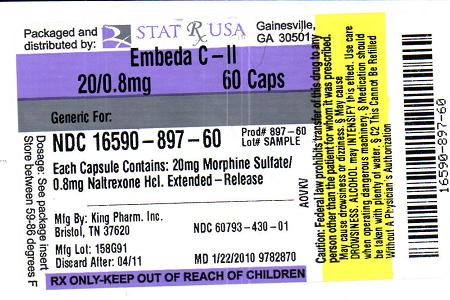
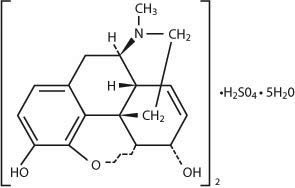
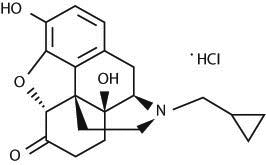
EMBEDA Capsules contain pellets of morphine sulfate and naltrexone hydrochloride at a ratio of 100:4. Morphine sulfate is an agonist and naltrexone hydrochloride is an antagonist at the mu-opioid receptor. The chemical name of morphine sulfate is 7,8-didehydro-4,5 ?-epoxy-17-methyl-morphinan-3,6 ?-diol sulfate (2:1) (salt) pentahydrate. The empirical formula is (C 17 H 19 NO 3 ) 2 *H 2 SO 4 *5H 2 O and its molecular weight is 758.85. Morphine sulfate is an odorless, white, crystalline powder with a bitter taste. It has a solubility of 1 in 21 parts of water and 1 in 1000 parts of alcohol, but is practically insoluble in chloroform or ether. The octanol: water partition coefficient of morphine is 1.42 at physiologic pH and the pK b is 7.9 for the tertiary nitrogen (mostly ionized at pH 7.4). Its structural formula is: STRUCTURE IMAGE 1 The chemical name of naltrexone hydrochloride is (5?)-17-(Cyclopropylmethyl)-4,5-epoxy-3,14-dihydroxymorphinan-6-one hydrochloride. The empirical formula is C 20 H 23 NO 4 *HCl and its molecular weight is 377.46. Naltrexone hydrochloride is a white to slightly off-white powder that is soluble in water. Its structural formula is STRUCTURE IMAGE 2 Each capsule contains the following inactive ingredients common to all strengths: talc, ammonio methacrylate copolymer, sugar spheres, ethylcellulose, sodium chloride, polyethylene glycol, hydroxypropyl cellulose, dibutyl sebacate, methacrylic acid copolymer, diethyl phthalate, magnesium stearate, sodium lauryl sulfate, and ascorbic acid. The capsule shells contain gelatin, titanium dioxide, and grey ink, D and C yellow #10 (EMBEDA 20 mg/0.8 mg), FD and C red #3, FD and C blue #1 (EMBEDA 30 mg/1.2 mg), D and C red #28, FD and C red #40, FD and C blue #1 (EMBEDA 50 mg/2 mg), D and C red #28, FD and C red #40, FD and C blue #1 (EMBEDA 60 mg/2.4 mg), FD and C blue #1, FD and C red #40, FD and C yellow #6 (EMBEDA 80 mg/3.2 mg), D and C yellow #10, FD and C blue #1 (EMBEDA 100 mg/4 mg). EMBEDA contains no gluten. EMBEDA 20-0.8MG STRUCTURE 1 EMBEDA 20-0.8MG STRUCTURE 2
EMBEDA is an extended-release oral formulation of morphine sulfate and naltrexone hydrochloride indicated for the management of moderate to severe pain when a continuous, around-the-clock opioid analgesic is needed for an extended period of time. EMBEDA is NOT intended for use as a prn analgesic. EMBEDA is not indicated for acute/postoperative pain or if the pain is mild or not expected to persist for an extended period of time. EMBEDA is only indicated for postoperative use if the patient is already receiving chronic opioid therapy prior to surgery or if the postoperative pain is expected to be moderate to severe and persist for an extended period of time. Physicians should individualize treatment, moving from parenteral to oral analgesics as appropriate
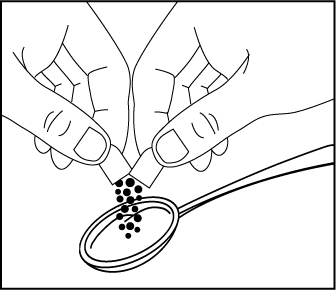
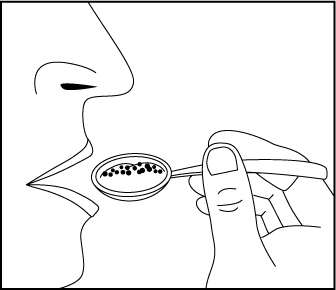
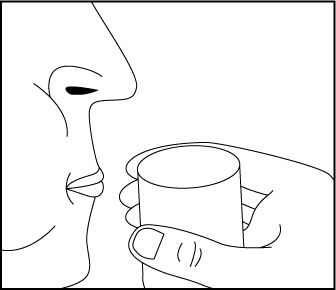
Selection of patients for treatment with morphine sulfate should be governed by the same principles that apply to the use of similar opioid analgesics. Physicians should individualize treatment in every case, using non-opioid analgesics, opioids on an as needed basis and/or combination products, and chronic opioid therapy in a progressive plan of pain management such as outlined by the World Health Organization and Federation of State Medical Boards Model Guidelines. Care should be taken to use low initial doses of EMBEDA in patients who are not already opioid-tolerant, especially those who are receiving concurrent treatment with muscle relaxants, sedatives, or other CNS active medications. The 100 mg/4 mg capsules are for use only in opioid-tolerant patients. EMBEDA is to be swallowed whole or the contents of the capsules sprinkled on apple sauce and taken by mouth. The pellets in the capsules are not to be crushed, dissolved, or chewed before swallowing. 2.1 Initiating Therapy with EMBEDA It is critical to adjust the dosing regimen for each patient individually, taking into account the patient's prior analgesic treatment experience. In the selection of the initial dose of EMBEDA, attention should be given to: 1) the total daily dose, potency, and kind of opioid the patient has been taking previously; 2) the reliability of the relative potency estimate used to calculate the equivalent dose of morphine needed (Note: potency estimates may vary with the route of administration); 3) the patient's degree of opioid experience and opioid tolerance; 4) the general condition and medical status of the patient; 5) concurrent medication; 6) the type and severity of the patient's pain. The following dosing recommendations can be considered approaches to what is actually a series of clinical decisions over time in the management of the pain of an individual patient: Use of EMBEDA as the First Opioid Analgesic The lowest dose of EMBEDA should be used as the initial opioid analgesic in patients with chronic pain. Patients may subsequently be titrated to a once or twice a day dosage which adequately manages their pain. Conversion from Other Oral Morphine Formulations to EMBEDA Patients on other oral morphine formulations may be converted to EMBEDA by administering one-half of the patient's total daily oral morphine dose as EMBEDA every 12 hours (twice-a-day) or by administering the total daily oral morphine dose as EMBEDA every 24 hours (once-a-day). EMBEDA should not be given more frequently than every 12 hours. Conversion from Oral Opioids, Parenteral Morphine, or Other Parenteral Opioids to EMBEDA EMBEDA can be administered to patients previously receiving treatment with parenteral morphine or other opioids. While there are useful tables of oral and parenteral equivalents in cancer analgesia, there is substantial inter-patient variation in the relative potency of different opioid drugs and formulations. For these reasons, it is better to underestimate the patient's 24-hour oral morphine requirement and provide rescue medication than to overestimate and manage an adverse event. The following general points should be considered: Parenteral to Oral Morphine Ratio: It may take anywhere from 2-6 mg of oral morphine to provide analgesia equivalent to 1 mg of parenteral morphine. A dose of oral morphine three times the daily parenteral morphine requirement may be sufficient in chronic use settings. Other Oral or Parenteral Opioids to Oral Morphine Sulfate: There is lack of systematic evidence bearing on these types of analgesic substitutions. Therefore, specific recommendations are not possible. Physicians are advised to refer to published relative potency data, keeping in mind that such ratios are only approximate. In general, it is safest to give half of the estimated daily morphine demand as the initial dose and to manage inadequate analgesia by supplementation with immediate-release morphine. The first dose of EMBEDA may be taken with the last dose of any immediate-release (short-acting) opioid medication due to the extended-release characteristics of EMBEDA. 2.2 Individualization of Dosage Patients may develop some degree of tolerance, requiring dosage adjustment until they have achieved their individual balance between effective analgesia and opioid side effects such as confusion, sedation, and constipation. EMBEDA should be titrated no more frequently than every-other-day to allow patients to stabilize before escalating the dose. If breakthrough pain occurs, the dose may be supplemented with a small dose (less than 20% of the total daily dose) of a short-acting analgesic. Patients who exhibit signs of excessive opioid side effects such as sedation should have their dose reduced. Patients who experience inadequate analgesia on once-daily dosing should be switched to twice-a-day. EMBEDA should not be dosed more frequently than every 12 hours. During periods of changing analgesic requirements including initial titration, frequent communication is recommended between physician, other members of the healthcare team, the patient, and the caregiver/family. 2.3 Alternative Methods of Administration Patients who have difficulty swallowing whole capsules or tablets may benefit from an alternative method of administration. EMBEDA pellets may be sprinkled over apple sauce. Other foods have not been tested and should not be substituted for apple sauce. Sprinkle the pellets onto a small amount of apple sauce and use immediately. The patient must be cautioned not to chew the pellets [see WARNINGS AND PRECAUTIONS (5) ] . Rinse mouth to ensure all pellets have been swallowed. Patients should consume entire portion and should not divide apple sauce into separate doses. Do not administer EMBEDA pellets through a nasogastric or gastric tubes. 2.4 Maintenance of Therapy Continual re-evaluation of the patient receiving morphine sulfate is important, with special attention to the maintenance of pain control and the relative incidence of side effects associated with therapy. If the level of pain increases, effort should be made to identify the source of increased pain, while adjusting the dose as described above to decrease the level of pain. During chronic therapy, especially for non-cancer-related pain (or pain associated with other terminal illnesses), the continued need for the use of opioid analgesics should be re-assessed as appropriate. 2.5 Cessation of Therapy In general, EMBEDA should not be abruptly discontinued. However, EMBEDA, like other opioids, can be safely discontinued without the development of withdrawal symptoms by slowly tapering the daily dose.
EMBEDA is contraindicated in patients with a known hypersensitivity to morphine, morphine salts, naltrexone, or in any situation where opioids are contraindicated. 4.1 Impaired Pulmonary Function EMBEDA is contraindicated in patients with significant respiratory depression in unmonitored settings or the absence of resuscitative equipment. EMBEDA is contraindicated in patients with acute or severe bronchial asthma or hypercapnia in unmonitored settings or the absence of resuscitative equipment [see WARNINGS AND PRECAUTIONS (5.1) ]. 4.2 Paralytic Ileus EMBEDA is contraindicated in any patient who has or is suspected of having paralytic ileus.
Serious adverse reactions that may be associated with EMBEDA therapy in clinical use include: respiratory depression, respiratory arrest, apnea, circulatory depression, cardiac arrest, hypotension, and/or shock [see OVERDOSAGE (10) , WARNINGS AND PRECAUTIONS (5) ] . The common adverse events seen on initiation of therapy with EMBEDA are dose dependent, and their frequency depends on the clinical setting, the patient's level of opioid tolerance, and host factors specific to the individual. They should be expected and managed as a part of opioid analgesia. The most frequent of these include drowsiness, dizziness, constipation, and nausea. 6.1 Clinical Studies Experience Because clinical trials are conducted under widely varying conditions, adverse reaction rates observed in the clinical trials of a drug cannot be directly compared with rates in the clinical trials of another drug and may not reflect the rates observed in practice. There were 1251 subjects exposed to at least one dose of EMBEDA in the clinical program. During late phase clinical development, 618 subjects received EMBEDA in two randomized, controlled, double-blind studies in subjects with osteoarthritis of the hip or knee. An additional 465 subjects received EMBEDA in an open-label, year-long safety study of subjects with chronic, non-cancer pain, 208 subjects for at least six months and 124 for 12 months. The remaining 168 subjects were exposed to a single dose of EMBEDA in early PK/PD studies. Short-Term (12-Week) Randomized Study Adverse reactions observed in at least 2% of subjects treated with EMBEDA This study utilized an enriched enrollment with a randomized withdrawal design in which subjects were titrated to effect on open-label EMBEDA for up to 45 days. Once their pain was controlled, subjects were randomized to either active treatment with EMBEDA or were tapered off EMBEDA using a double-dummy design and placed on placebo. The Maintenance Period was 12 weeks. The most common adverse reactions leading to study discontinuation were nausea, constipation, vomiting, fatigue, dizziness, pruritus, and somnolence. Adverse reactions, defined as treatment-related adverse events assessed by the investigators, reported by greater than or equal to 2.0% of subjects in either the titration or maintenance phase of the 12-week study are presented in Table 1. Long-Term Open-Label Safety Study In the long-term open-label safety study, 465 patients with chronic non-malignant pain were enrolled and 124 patients were treated for up to 1 year. The distributions of adverse events were similar to that of the randomized, controlled studies, and were consistent with the most common opioid related adverse events. Adverse reactions, defined as treatment-related adverse events assessed by the investigators, reported by greater than or equal to 2.0% of subjects are presented in Table 2. Adverse Reactions Observed in the Phase 2/3 Studies Most common (greater than 10%): constipation, nausea, somnolence Common (greater than or equal to 1% to less than 10%): vomiting, headache, dizziness, pruritus, dry mouth, diarrhea, fatigue, insomnia, hyperhidrosis, anxiety, chills, abdominal pain, lethargy, edema peripheral, dyspepsia, anorexia, muscle spasms, depression, flatulence, restlessness, decreased appetite, irritability, stomach discomfort, tremor, arthralgia, hot flush, sedation Adverse Reactions Observed in the Phase 2/3 Studies Most common (greater than or equal to 10%): Gastrointestinal disorders : constipation, nausea; Nervous system disorders : somnolence. Common (greater than or equal to 1% to less than 10%): Gastrointestinal disorders : abdominal pain, diarrhea, dry mouth, dyspepsia, flatulence, stomach discomfort, vomiting; General disorders and administration site conditions : chills, edema peripheral, fatigue, irritability; Metabolism and nutrition disorders : anorexia, decreased appetite; Musculoskeletal and connective tissue disorders : arthralgia, muscle spasms; Nervous system disorders : dizziness, headache, lethargy, sedation, tremor; Psychiatric disorders : anxiety, depression, insomnia, restlessness; Skin and subcutaneous tissue disorders : hyperhidrosis, pruritus; Vascular disorders : hot flush. Less Common (less than 1%): Eye disorders : vision blurred, orthostatic hypotension; Gastrointestinal disorders : abdominal distension, pancreatitis, abdominal discomfort, fecaloma, abdominal pain lower, abdominal tenderness; General disorders and administration site conditions : malaise, asthenia, feeling jittery, drug withdrawal syndrome; Hepatobiliary disorders : cholecystitis; Investigations : alanine aminotransferase increased, aspartate aminotransferase increased; Musculoskeletal and connective tissue disorders : myalgia, muscular weakness; Nervous system disorders : depressed level of consciousness, mental impairment, memory impairment, disturbance in attention, stupor, paraesthesia, coordination abnormal; Psychiatric disorders : disorientation, thinking abnormal, mental status changes, confusional state, euphoric mood, hallucination, abnormal dreams, mood swings, nervousness; Renal and urinary disorders : urinary retention, dysuria; Reproductive system and breast disorders : erectile dysfunction; Respiratory, thoracic and mediastinal disorders : dyspnea, rhinorrhoea; Skin and subcutaneous tissue disorders : rash, piloerection, cold sweat, night sweats; Vascular disorders : hypotension, flushing.
EMBEDA is to be swallowed whole or the contents of the capsules sprinkled on apple sauce. The pellets in the capsules are not to be crushed, dissolved, or chewed. The resulting morphine dose may be fatal, particularly in opioid-naive individuals. In opioid-tolerant individuals, the absorption of naltrexone may increase the risk of precipitating withdrawal. EMBEDA 100 mg/4 mg is for use in opioid-tolerant patients only. Ingestion of these capsules or of the pellets within the capsules may cause fatal respiratory depression when administered to patients not already tolerant to high doses of opioids. 5.1 Misuse, Abuse, and Diversion of Opioids EMBEDA contains morphine, an opioid agonist, and is a Schedule II controlled substance. Opioid agonists have the potential for being abused and are sought by drug abusers and people with addiction disorders and are subject to criminal diversion. Morphine can be abused in a manner similar to other opioid agonists, legal or illicit. This should be considered when prescribing or dispensing EMBEDA in situations where the physician or pharmacist is concerned about an increased risk of misuse, abuse, or diversion. Abuse of EMBEDA by crushing, chewing, snorting, or injecting the dissolved product will result in the uncontrolled delivery of the opioid and pose a significant risk to the abuser that could result in overdose and death [see DRUG ABUSE AND DEPENDENCE (9) ] . Concerns about abuse and addiction should not prevent the proper management of pain. Healthcare professionals should contact their State Professional Licensing Board or State Controlled Substances Authority for information on how to prevent and detect abuse of this product. 5.2 Interactions with Alcohol and Drugs of Abuse EMBEDA may be expected to have additive effects when used in conjunction with alcohol, other opioids, or illicit drugs that cause central nervous system depression because respiratory depression, hypotension, and profound sedation or coma may result. Patients should not consume alcoholic beverages, prescription or non-prescription medications containing alcohol while on EMBEDA therapy. The co-ingestion of alcohol with EMBEDA can result in an increase of morphine plasma levels and potentially fatal overdose of morphine [see CLINICAL PHARMACOLOGY (12.3) ] . 5.3 Impaired Respiration Respiratory depression is the chief hazard of all morphine preparations such as EMBEDA. Respiratory depression occurs more frequently and is more dangerous in elderly and debilitated patients, and those suffering from conditions accompanied by hypoxia, hypercapnia, or upper airway obstruction (when even moderate therapeutic doses may significantly decrease pulmonary ventilation). EMBEDA should be used with extreme caution in patients with chronic obstructive pulmonary disease or cor pulmonale, and in patients having a substantially decreased respiratory reserve (e.g., severe kyphoscoliosis), hypoxia, hypercapnia, or pre-existing respiratory depression. In such patients, even usual therapeutic doses of morphine may increase airway resistance and decrease respiratory drive to the point of apnea. In these patients, alternative non-opioid analgesics should be considered, and opioids should be employed only under careful medical supervision at the lowest effective dose. 5.4 Head Injury and Increased Intracranial Pressure The respiratory depressant effects of morphine with carbon dioxide retention and secondary elevation of cerebrospinal fluid pressure may be markedly exaggerated in the presence of head injury, other intracranial lesions, or a pre-existing increase in intracranial pressure. EMBEDA can produce effects on pupillary response and consciousness, which may obscure neurologic signs of further increases in pressure in patients with head injuries. EMBEDA should only be administered under such circumstances when considered essential and then with extreme care. 5.5 Hypotensive Effect EMBEDA may cause severe hypotension. There is an added risk to individuals whose ability to maintain blood pressure has already been compromised by a reduced blood volume or a concurrent administration of drugs such as phenothiazines or general anesthetics [see DRUG INTERACTIONS (7.1) ] . EMBEDA may produce orthostatic hypotension and syncope in ambulatory patients. EMBEDA should be administered with caution to patients in circulatory shock, as vasodilation produced by the drug may further reduce cardiac output and blood pressure. 5.6 Interactions with other CNS Depressants EMBEDA should be used with caution and in reduced dosage in patients who are concurrently receiving other central nervous system depressants including sedatives or hypnotics, general anesthetics, phenothiazines, other tranquilizers, and alcohol because respiratory depression, hypotension, and profound sedation or coma may result [see DRUG INTERACTIONS (7.1) ] . 5.7 Gastrointestinal Effects EMBEDA should not be given to patients with gastrointestinal obstruction, particularly paralytic ileus, as there is a risk of the product remaining in the stomach for an extended period and the subsequent release of a bolus of morphine when normal gut motility is restored. As with other solid morphine formulations diarrhea may reduce morphine absorption. The administration of morphine may obscure the diagnosis or clinical course in patients with acute abdominal condition. 5.8 Cordotomy Patients taking EMBEDA who are scheduled for cordotomy or other interruption of pain transmission pathways should have EMBEDA ceased 24 hours prior to the procedure and the pain controlled by parenteral short-acting opioids. In addition, the post-procedure titration of analgesics for such patients should be individualized to avoid either oversedation or withdrawal syndromes. 5.9 Use in Pancreatic/Biliary Tract Disease EMBEDA may cause spasm of the sphincter of Oddi and should be used with caution in patients with biliary tract disease, including acute pancreatitis. Opioids may cause increases in the serum amylase level. 5.10 Tolerance and Physical Dependence Tolerance is the need for increasing doses of opioids to maintain a defined effect such as analgesia (in the absence of disease progression or other external factors). Physical dependence is manifested by withdrawal symptoms after abrupt discontinuation of a drug or upon administration of an antagonist. Physical dependence and tolerance are common during chronic opioid therapy. The opioid abstinence or withdrawal syndrome is characterized by some or all of the following: restlessness, lacrimation, rhinorrhea, yawning, perspiration, chills, myalgia, and mydriasis. Other symptoms also may develop, including: irritability, anxiety, backache, joint pain, weakness, abdominal cramps, insomnia, nausea, anorexia, vomiting, diarrhea, or increased blood pressure, respiratory rate, or heart rate. EMBEDA should not be abruptly discontinued [see DOSAGE AND ADMINISTRATION (2.5) ] . 5.11 Special Risk Groups EMBEDA should be administered with caution, and in reduced dosages in elderly or debilitated patients; patients with severe renal or hepatic insufficiency; patients with Addison's disease; myxedema; hypothyroidism; prostatic hypertrophy or urethral stricture. Caution should also be exercised in the administration of EMBEDA to patients with CNS depression, toxic psychosis, acute alcoholism, and delirium tremens. All opioids may aggravate convulsions in patients with convulsive disorders, and all opioids may induce or aggravate seizures in some clinical settings. 5.12 Driving and Operating Machinery EMBEDA may impair the mental and/or physical abilities needed to perform potentially hazardous activities such as driving a car or operating machinery. Patients must be cautioned accordingly. Patients should also be warned about the potential combined effects of EMBEDA with other CNS depressants, including other opioids, phenothiazines, sedative/hypnotics, and alcohol [see DRUG INTERACTIONS (7.1) ] . 5.13 Anaphylaxis Although extremely rare, cases of anaphylaxis have been reported with the use of a similar extended release morphine formulation. 5.14 Accidentally Precipitated Withdrawal Agonist/antagonist analgesics (i.e., pentazocine, nalbuphine, butorphanol) should be administered with caution to a patient who has received or is receiving a course of therapy with EMBEDA. In this situation, mixed agonist/antagonist analgesics may reduce the analgesic effect of EMBEDA and/or may precipitate withdrawal symptoms in these patients. Consuming EMBEDA that have been tampered by crushing, chewing, or dissolving the extended-release formulation can release sufficient naltrexone to precipitate withdrawal in opioid-dependent individuals. Symptoms of withdrawal usually appear within five minutes of ingestion of naltrexone and can last for up to 48 hours. Mental status changes can include confusion, somnolence, and visual hallucinations. Significant fluid losses from vomiting and diarrhea can require intravenous fluid administration. Patients should be closely monitored and therapy with non-opioid medications tailored to meet individual requirements. 5.15 Laboratory Tests Naltrexone does not interfere with thin-layer, gas-liquid, and high pressure liquid chromatographic methods which may be used for the separation and detection of morphine, methadone, or quinine in the urine. Naltrexone may or may not interfere with enzymatic methods for the detection of opioids depending on the specificity of the test. Please consult the test manufacturer for specific details. --- BOXED WARNING: WARNING EMBEDATM capsules contain morphine, an opioid agonist and a Schedule II controlled substance with an abuse liability similar to other opioid agonists. EMBEDA can be abused in a manner similar to other opioid agonists, legal or illicit. This should be considered when prescribing or dispensing EMBEDA in situations where the physician or pharmacist is concerned about an increased risk of misuse, abuse, or diversion. EMBEDA contains pellets of an extended-release oral formulation of morphine sulfate, an opioid receptor agonist, surrounding an inner core of naltrexone hydrochloride, an opioid receptor antagonist indicated for the management of moderate to severe pain when a continuous, around-the-clock opioid analgesic is needed for an extended period of time. EMBEDA is NOT intended for use as a prn analgesic. EMBEDA 100 mg/4 mg IS FOR USE IN OPIOID-TOLERANT PATIENTS ONLY. Ingestion of these capsules or the pellets within the capsules may cause fatal respiratory depression when administered to patients not already tolerant to high doses of opioids. Patients should not consume alcoholic beverages while on EMBEDA therapy. Additionally, patients must not use prescription or non-prescription medications containing alcohol while on EMBEDA therapy. The co-ingestion of alcohol with EMBEDA may result in an increase of plasma levels and potentially fatal overdose of morphine. EMBEDA is to be swallowed whole or the contents of the capsules sprinkled on apple sauce. The pellets in the capsules are not to be crushed, dissolved, or chewed due to the risk of rapid release and absorption of a potentially fatal dose of morphine. Crushing, chewing, or dissolving EMBEDA will also result in the release of naltrexone which may precipitate withdrawal in opioid-tolerant individuals.