
İHALE DÜNYASI
İHALE DÜNYASI
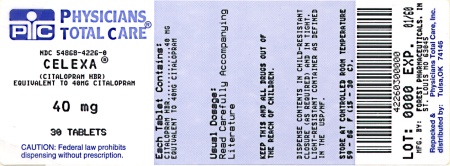
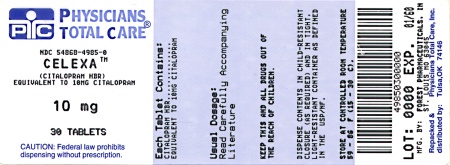
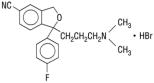
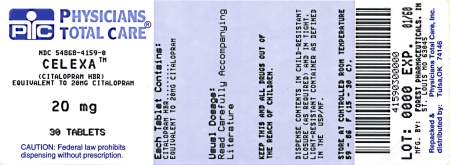
Celexa(R) (citalopram HBr) is an orally administered selective serotonin reuptake inhibitor (SSRI) with a chemical structure unrelated to that of other SSRIs or of tricyclic, tetracyclic, or other available antidepressant agents. Citalopram HBr is a racemic bicyclic phthalane derivative designated (±)-1-(3-dimethylaminopropyl)-1-(4-fluorophenyl)-1,3-dihydroisobenzofuran-5-carbonitrile, HBr with the following structural formula: The molecular formula is C 20 H 22 BrFN 2 O and its molecular weight is 405.35. Citalopram HBr occurs as a fine, white to off-white powder. Citalopram HBr is sparingly soluble in water and soluble in ethanol. Celexa (citalopram hydrobromide) is available as tablets or as an oral solution. Celexa 10 mg tablets are film-coated, oval tablets containing citalopram HBr in strengths equivalent to 10 mg citalopram base. Celexa 20 mg and 40 mg tablets are film-coated, oval, scored tablets containing citalopram HBr in strengths equivalent to 20 mg or 40 mg citalopram base. The tablets also contain the following inactive ingredients: copolyvidone, corn starch, crosscarmellose sodium, glycerin, lactose monohydrate, magnesium stearate, hypromellose, microcrystalline cellulose, polyethylene glycol, and titanium dioxide. Iron oxides are used as coloring agents in the beige (10 mg) and pink (20 mg) tablets. Celexa oral solution contains citalopram HBr equivalent to 2 mg/mL citalopram base. It also contains the following inactive ingredients: sorbitol, purified water, propylene glycol, methylparaben, natural peppermint flavor, and propylparaben. image of chemical structure
Celexa (citalopram HBr) is indicated for the treatment of depression. The efficacy of Celexa in the treatment of depression was established in 4-6 week, controlled trials of outpatients whose diagnosis corresponded most closely to the DSM-III and DSM-III-R category of major depressive disorder (see CLINICAL PHARMACOLOGY ). A major depressive episode (DSM-IV) implies a prominent and relatively persistent (nearly every day for at least 2 weeks) depressed or dysphoric mood that usually interferes with daily functioning, and includes at least five of the following nine symptoms: depressed mood, loss of interest in usual activities, significant change in weight and/or appetite, insomnia or hypersomnia, psychomotor agitation or retardation, increased fatigue, feelings of guilt or worthlessness, slowed thinking or impaired concentration, a suicide attempt or suicidal ideation. The antidepressant action of Celexa in hospitalized depressed patients has not been adequately studied. The efficacy of Celexa in maintaining an antidepressant response for up to 24 weeks following 6 to 8 weeks of acute treatment was demonstrated in two placebo-controlled trials (see CLINICAL PHARMACOLOGY ). Nevertheless, the physician who elects to use Celexa for extended periods should periodically re-evaluate the long-term usefulness of the drug for the individual patient.
Initial Treatment Celexa (citalopram HBr) should be administered at an initial dose of 20 mg once daily, generally with an increase to a dose of 40 mg/day. Dose increases should usually occur in increments of 20 mg at intervals of no less than one week. Although certain patients may require a dose of 60 mg/day, the only study pertinent to dose response for effectiveness did not demonstrate an advantage for the 60 mg/day dose over the 40 mg/day dose; doses above 40 mg are therefore not ordinarily recommended. Celexa should be administered once daily, in the morning or evening, with or without food. Special Populations 20 mg/day is the recommended dose for most elderly patients and patients with hepatic impairment, with titration to 40 mg/day only for nonresponding patients. No dosage adjustment is necessary for patients with mild or moderate renal impairment. Celexa should be used with caution in patients with severe renal impairment. Treatment of Pregnant Women During the Third Trimester Neonates exposed to Celexa and other SSRIs or SNRIs, late in the third trimester, have developed complications requiring prolonged hospitalization, respiratory support, and tube feeding (see PRECAUTIONS ). When treating pregnant women with Celexa during the third trimester, the physician should carefully consider the potential risks and benefits of treatment. The physician may consider tapering Celexa in the third trimester. Maintenance Treatment It is generally agreed that acute episodes of depression require several months or longer of sustained pharmacologic therapy. Systematic evaluation of Celexa in two studies has shown that its antidepressant efficacy is maintained for periods of up to 24 weeks following 6 or 8 weeks of initial treatment (32 weeks total). In one study, patients were assigned randomly to placebo or to the same dose of Celexa (20-60 mg/day) during maintenance treatment as they had received during the acute stabilization phase, while in the other study, patients were assigned randomly to continuation of Celexa 20 or 40 mg/day, or placebo, for maintenance treatment. In the latter study, the rates of relapse to depression were similar for the two dose groups (see Clinical Trials under CLINICAL PHARMACOLOGY ). Based on these limited data, it is not known whether the dose of citalopram needed to maintain euthymia is identical to the dose needed to induce remission. If adverse reactions are bothersome, a decrease in dose to 20 mg/day can be considered. Discontinuation of Treatment with Celexa Symptoms associated with discontinuation of Celexa and other SSRIs and SNRIs have been reported (see PRECAUTIONS ). Patients should be monitored for these symptoms when discontinuing treatment. A gradual reduction in the dose rather than abrupt cessation is recommended whenever possible. If intolerable symptoms occur following a decrease in the dose or upon discontinuation of treatment, then resuming the previously prescribed dose may be considered. Subsequently, the physician may continue decreasing the dose but at a more gradual rate. Switching Patients To or From a Monoamine Oxidase Inhibitor At least 14 days should elapse between discontinuation of an MAOI and initiation of Celexa therapy. Similarly, at least 14 days should be allowed after stopping Celexa before starting an MAOI (see CONTRAINDICATIONS and WARNINGS ).
Concomitant use in patients taking monoamine oxidase inhibitors (MAOIs) is contraindicated (see WARNINGS ). Concomitant use in patients taking pimozide is contraindicated (see PRECAUTIONS ). Celexa is contraindicated in patients with a hypersensitivity to citalopram or any of the inactive ingredients in Celexa.
The premarketing development program for Celexa included citalopram exposures in patients and/or normal subjects from 3 different groups of studies: 429 normal subjects in clinical pharmacology/pharmacokinetic studies; 4422 exposures from patients in controlled and uncontrolled clinical trials, corresponding to approximately 1370 patient-exposure years. There were, in addition, over 19,000 exposures from mostly open-label, European postmarketing studies. The conditions and duration of treatment with Celexa varied greatly and included (in overlapping categories) open-label and double-blind studies, inpatient and outpatient studies, fixed-dose and dose-titration studies, and short-term and long-term exposure. Adverse reactions were assessed by collecting adverse events, results of physical examinations, vital signs, weights, laboratory analyses, ECGs, and results of ophthalmologic examinations. Adverse events during exposure were obtained primarily by general inquiry and recorded by clinical investigators using terminology of their own choosing. Consequently, it is not possible to provide a meaningful estimate of the proportion of individuals experiencing adverse events without first grouping similar types of events into a smaller number of standardized event categories. In the tables and tabulations that follow, standard World Health Organization (WHO) terminology has been used to classify reported adverse events. The stated frequencies of adverse events represent the proportion of individuals who experienced, at least once, a treatment-emergent adverse event of the type listed. An event was considered treatment-emergent if it occurred for the first time or worsened while receiving therapy following baseline evaluation. Adverse Findings Observed in Short-Term, Placebo-Controlled Trials Adverse Events Associated with Discontinuation of Treatment Among 1063 depressed patients who received Celexa at doses ranging from 10 to 80 mg/day in placebo-controlled trials of up to 6 weeks in duration, 16% discontinued treatment due to an adverse event, as compared to 8% of 446 patients receiving placebo. The adverse events associated with discontinuation and considered drug-related (i.e., associated with discontinuation in at least 1% of Celexa-treated patients at a rate at least twice that of placebo) are shown in TABLE 2 . It should be noted that one patient can report more than one reason for discontinuation and be counted more than once in this table. TABLE 2 Adverse Events Associated with Discontinuation of Treatment in Short-Term, Placebo-Controlled, Depression Trials Percentage of Patients Discontinuing Due to Adverse Event Citalopram Placebo (N=1063) (N=446) Body System/Adverse Event General Asthenia 1% <1% Gastrointestinal Disorders Nausea 4% 0% Dry Mouth 1% <1% Vomiting 1% 0% Central and Peripheral Nervous System Disorders Dizziness 2% <1% Psychiatric Disorders Insomnia 3% 1% Somnolence 2% 1% Agitation 1% <1% Adverse Events Occurring at an Incidence of 2% or More Among Celexa -Treated Patients Table 3 enumerates the incidence, rounded to the nearest percent, of treatment-emergent adverse events that occurred among 1063 depressed patients who received Celexa at doses ranging from 10 to 80 mg/day in placebo-controlled trials of up to 6 weeks in duration. Events included are those occurring in 2% or more of patients treated with Celexa and for which the incidence in patients treated with Celexa was greater than the incidence in placebo-treated patients. The prescriber should be aware that these figures cannot be used to predict the incidence of adverse events in the course of usual medical practice where patient characteristics and other factors differ from those which prevailed in the clinical trials. Similarly, the cited frequencies cannot be compared with figures obtained from other clinical investigations involving different treatments, uses, and investigators. The cited figures, however, do provide the prescribing physician with some basis for estimating the relative contribution of drug and non-drug factors to the adverse event incidence rate in the population studied. The only commonly observed adverse event that occurred in Celexa patients with an incidence of 5% or greater and at least twice the incidence in placebo patients was ejaculation disorder (primarily ejaculatory delay) in male patients (see TABLE 3 ). TABLE 3 Treatment-Emergent Adverse Events: Incidence in Placebo-Controlled Clinical Trials* (Percentage of Patients Reporting Event) Body System/Adverse Event Celexa Placebo (N=1063) (N=446) Autonomic Nervous System Disorders Dry Mouth 20% 14% Sweating Increased 11% 9% Central & Peripheral Nervous System Disorders Tremor 8% 6% Gastrointestinal Disorders Nausea 21% 14% Diarrhea 8% 5% Dyspepsia 5% 4% Vomiting 4% 3% Abdominal Pain 3% 2% General Fatigue 5% 3% Fever 2% <1% Musculoskeletal System Disorders Arthralgia 2% 1% Myalgia 2% 1% Psychiatric Disorders Somnolence 18% 10% Insomnia 15% 14% Anxiety 4% 3% Anorexia 4% 2% Agitation 3% 1% Dysmenorrhea 1 3% 2% Libido Decreased 2% <1% Yawning 2% <1% Respiratory System Disorders Upper Respiratory Tract Infection 5% 4% Rhinitis 5% 3% Sinusitis 3% <1% Urogenital Ejaculation Disorder 2,3 6% 1% Impotence 3 3% <1% *Events reported by at least 2% of patients treated with Celexa are reported, except for the following events which had an incidence on placebo > Celexa: headache, asthenia, dizziness, constipation, palpitation, vision abnormal, sleep disorder, nervousness, pharyngitis, micturition disorder, back pain. 1 Denominator used was for females only (N=638 Celexa; N=252 placebo). 2 Primarily ejaculatory delay. 3 Denominator used was for males only (N=425 Celexa; N=194 placebo). Dose Dependency of Adverse Events The potential relationship between the dose of Celexa administered and the incidence of adverse events was examined in a fixed-dose study in depressed patients receiving placebo or Celexa 10, 20, 40, and 60 mg. Jonckheere's trend test revealed a positive dose response (p<0.05) for the following adverse events: fatigue, impotence, insomnia, sweating increased, somnolence, and yawning. Male and Female Sexual Dysfunction with SSRIs Although changes in sexual desire, sexual performance, and sexual satisfaction often occur as manifestations of a psychiatric disorder, they may also be a consequence of pharmacologic treatment. In particular, some evidence suggests that SSRIs can cause such untoward sexual experiences. Reliable estimates of the incidence and severity of untoward experiences involving sexual desire, performance, and satisfaction are difficult to obtain, however, in part because patients and physicians may be reluctant to discuss them. Accordingly, estimates of the incidence of untoward sexual experience and performance cited in product labeling, are likely to underestimate their actual incidence. The table below displays the incidence of sexual side effects reported by at least 2% of patients taking Celexa in a pool of placebo-controlled clinical trials in patients with depression. Treatment Celexa (425 males) Placebo (194 males) Abnormal Ejaculation (mostly ejaculatory delay) 6.1% (males only) 1% (males only) Libido Decreased 3.8% (males only) <1% (males only) Impotence 2.8% (males only) <1% (males only) In female depressed patients receiving Celexa, the reported incidence of decreased libido and anorgasmia was 1.3% (n=638 females) and 1.1% (n=252 females), respectively. There are no adequately designed studies examining sexual dysfunction with citalopram treatment. Priapism has been reported with all SSRIs. While it is difficult to know the precise risk of sexual dysfunction associated with the use of SSRIs, physicians should routinely inquire about such possible side effects. Vital Sign Changes Celexa and placebo groups were compared with respect to (1) mean change from baseline in vital signs (pulse, systolic blood pressure, and diastolic blood pressure) and (2) the incidence of patients meeting criteria for potentially clinically significant changes from baseline in these variables. These analyses did not reveal any clinically important changes in vital signs associated with Celexa treatment. In addition, a comparison of supine and standing vital sign measures for Celexa and placebo treatments indicated that Celexa treatment is not associated with orthostatic changes. Weight Changes Patients treated with Celexa in controlled trials experienced a weight loss of about 0.5 kg compared to no change for placebo patients. Laboratory Changes Celexa and placebo groups were compared with respect to (1) mean change from baseline in various serum chemistry, hematology, and urinalysis variables, and (2) the incidence of patients meeting criteria for potentially clinically significant changes from baseline in these variables. These analyses revealed no clinically important changes in laboratory test parameters associated with Celexa treatment. ECG Changes Electrocardiograms from Celexa (N=802) and placebo (N=241) groups were compared with respect to (1) mean change from baseline in various ECG parameters, and (2) the incidence of patients meeting criteria for potentially clinically significant changes from baseline in these variables. The only statistically significant drug-placebo difference observed was a decrease in heart rate for Celexa of 1.7 bpm compared to no change in heart rate for placebo. There were no observed differences in QT or other ECG intervals. Other Events Observed During the Premarketing Evaluation of Celexa (citalopram HBr) Following is a list of WHO terms that reflect treatment-emergent adverse events, as defined in the introduction to the ADVERSE REACTIONS section, reported by patients treated with Celexa at multiple doses in a range of 10 to 80 mg/day during any phase of a trial within the premarketing database of 4422 patients. All reported events are included except those already listed in Table 3 or elsewhere in labeling, those events for which a drug cause was remote, those event terms which were so general as to be uninformative, and those occurring in only one patient. It is important to emphasize that, although the events reported occurred during treatment with Celexa, they were not necessarily caused by it. Events are further categorized by body system and listed in order of decreasing frequency according to the following definitions: frequent adverse events are those occurring on one or more occasions in at least 1/100 patients; infrequent adverse events are those occurring in less than 1/100 patients but at least 1/1000 patients; rare events are those occurring in fewer than 1/1000 patients. Cardiovascular - Frequent: tachycardia, postural hypotension, hypotension. Infrequent: hypertension, bradycardia, edema (extremities), angina pectoris, extrasystoles, cardiac failure, flushing, myocardial infarction, cerebrovascular accident, myocardial ischemia. Rare: transient ischemic attack, phlebitis, atrial fibrillation, cardiac arrest, bundle branch block. Central and Peripheral Nervous System Disorders - Frequent: paresthesia, migraine. Infrequent: hyperkinesia, vertigo, hypertonia, extrapyramidal disorder, leg cramps, involuntary muscle contractions, hypokinesia, neuralgia, dystonia, abnormal gait, hypesthesia, ataxia. Rare: abnormal coordination, hyperesthesia, ptosis, stupor. Endocrine Disorders - Rare: hypothyroidism, goiter, gynecomastia. Gastrointestinal Disorders - Frequent: saliva increased, flatulence. Infrequent: gastritis, gastroenteritis, stomatitis, eructation, hemorrhoids, dysphagia, teeth grinding, gingivitis, esophagitis. Rare: colitis, gastric ulcer, cholecystitis, cholelithiasis, duodenal ulcer, gastroesophageal reflux, glossitis, jaundice, diverticulitis, rectal hemorrhage, hiccups. General - Infrequent: hot flushes, rigors, alcohol intolerance, syncope, influenza-like symptoms. Rare: hayfever. Hemic and Lymphatic Disorders - Infrequent: purpura, anemia, epistaxis, leukocytosis, leucopenia, lymphadenopathy. Rare: pulmonary embolism, granulocytopenia, lymphocytosis, lymphopenia, hypochromic anemia, coagulation disorder, gingival bleeding. Metabolic and Nutritional Disorders - Frequent: decreased weight, increased weight. Infrequent: increased hepatic enzymes, thirst, dry eyes, increased alkaline phosphatase, abnormal glucose tolerance. Rare: bilirubinemia, hypokalemia, obesity, hypoglycemia, hepatitis, dehydration. Musculoskeletal System Disorders - Infrequent: arthritis, muscle weakness, skeletal pain. Rare: bursitis, osteoporosis. Psychiatric Disorders - Frequent: impaired concentration, amnesia, apathy, depression, increased appetite, aggravated depression, suicide attempt, confusion. Infrequent: increased libido, aggressive reaction, paroniria, drug dependence, depersonalization, hallucination, euphoria, psychotic depression, delusion, paranoid reaction, emotional lability, panic reaction, psychosis. Rare: catatonic reaction, melancholia. Reproductive Disorders/Female* - Frequent: amenorrhea. Infrequent: galactorrhea, breast pain, breast enlargement, vaginal hemorrhage. *% based on female subjects only: 2955 Respiratory System Disorders - Frequent: coughing. Infrequent: bronchitis, dyspnea, pneumonia. Rare: asthma, laryngitis, bronchospasm, pneumonitis, sputum increased. Skin and Appendages Disorders - Frequent: rash, pruritus. Infrequent: photosensitivity reaction, urticaria, acne, skin discoloration, eczema, alopecia, dermatitis, skin dry, psoriasis. Rare: hypertrichosis, decreased sweating, melanosis, keratitis, cellulitis, pruritus ani. Special Senses - Frequent: accommodation abnormal, taste perversion. Infrequent: tinnitus, conjunctivitis, eye pain. Rare: mydriasis, photophobia, diplopia, abnormal lacrimation, cataract, taste loss. Urinary System Disorders - Frequent: polyuria. Infrequent: micturition frequency, urinary incontinence, urinary retention, dysuria. Rare: facial edema, hematuria, oliguria, pyelonephritis, renal calculus, renal pain. Other Events Observed During the Postmarketing Evaluation of Celexa (citalopram HBr) It is estimated that over 30 million patients have been treated with Celexa since market introduction. Although no causal relationship to Celexa treatment has been found, the following adverse events have been reported to be temporally associated with Celexa treatment, and have not been described elsewhere in labeling: acute renal failure, akathisia, allergic reaction, anaphylaxis, angioedema, choreoathetosis, chest pain, delirium, dyskinesia, ecchymosis, epidermal necrolysis, erythema multiforme, gastrointestinal hemorrhage, glaucoma, grand mal convulsions, hemolytic anemia, hepatic necrosis, myoclonus, nystagmus, pancreatitis, priapism, prolactinemia, prothrombin decreased, QT prolonged, rhabdomyolysis, spontaneous abortion, thrombocytopenia, thrombosis, ventricular arrhythmia, torsade de pointes, and withdrawal syndrome.
WARNINGS-Clinical Worsening and Suicide Risk Clinical Worsening and Suicide Risk Patients with major depressive disorder (MDD), both adult and pediatric, may experience worsening of their depression and/or the emergence of suicidal ideation and behavior (suicidality) or unusual changes in behavior, whether or not they are taking antidepressant medications, and this risk may persist until significant remission occurs. Suicide is a known risk of depression and certain other psychiatric disorders, and these disorders themselves are the strongest predictors of suicide. There has been a long-standing concern, however, that antidepressants may have a role in inducing worsening of depression and the emergence of suicidality in certain patients during the early phases of treatment. Pooled analyses of short-term placebo-controlled trials of antidepressant drugs (SSRIs and others) showed that these drugs increase the risk of suicidal thinking and behavior (suicidality) in children, adolescents, and young adults (ages 18-24) with major depressive disorder (MDD) and other psychiatric disorders. Short-term studies did not show an increase in the risk of suicidality with antidepressants compared to placebo in adults beyond age 24; there was a reduction with antidepressants compared to placebo in adults aged 65 and older. The pooled analyses of placebo-controlled trials in children and adolescents with MDD, obsessive compulsive disorder (OCD), or other psychiatric disorders included a total of 24 short-term trials of 9 antidepressant drugs in over 4400 patients. The pooled analyses of placebo-controlled trials in adults with MDD or other psychiatric disorders included a total of 295 short-term trials (median duration of 2 months) of 11 antidepressant drugs in over 77,000 patients. There was considerable variation in risk of suicidality among drugs, but a tendency toward an increase in the younger patients for almost all drugs studied. There were differences in absolute risk of suicidality across the different indications, with the highest incidence in MDD. The risk differences (drug vs. placebo), however, were relatively stable within age strata and across indications. These risk differences (drug-placebo difference in the number of cases of suicidality per 1000 patients treated) are provided in Table 1 . TABLE 1 Age Range Drug-Placebo Difference in Number of Cases of Suicidality per 1000 Patients Treated Increases Compared to Placebo <18 14 additional cases 18-24 5 additional cases Decreases Compared to Placebo 25-64 1 fewer case > 65 6 fewer cases No suicides occurred in any of the pediatric trials. There were suicides in the adult trials, but the number was not sufficient to reach any conclusion about drug effect on suicide. It is unknown whether the suicidality risk extends to longer-term use, i.e., beyond several months. However, there is substantial evidence from placebo-controlled maintenance trials in adults with depression that the use of antidepressants can delay the recurrence of depression. All patients being treated with antidepressants for any indication should be monitored appropriately and observed closely for clinical worsening, suicidality, and unusual changes in behavior, especially during the initial few months of a course of drug therapy, or at times of dose changes, either increases or decreases. The following symptoms, anxiety, agitation, panic attacks, insomnia, irritability, hostility, aggressiveness, impulsivity, akathisia (psychomotor restlessness), hypomania, and mania, have been reported in adult and pediatric patients being treated with antidepressants for major depressive disorder as well as for other indications, both psychiatric and nonpsychiatric. Although a causal link between the emergence of such symptoms and either the worsening of depression and/or the emergence of suicidal impulses has not been established, there is concern that such symptoms may represent precursors to emerging suicidality. Consideration should be given to changing the therapeutic regimen, including possibly discontinuing the medication, in patients whose depression is persistently worse, or who are experiencing emergent suicidality or symptoms that might be precursors to worsening depression or suicidality, especially if these symptoms are severe, abrupt in onset, or were not part of the patient's presenting symptoms. If the decision has been made to discontinue treatment, medication should be tapered, as rapidly as is feasible, but with recognition that abrupt discontinuation can be associated with certain symptoms (see PRECAUTIONS and DOSAGE AND ADMINISTRATION-Discontinuation of Treatment with Celexa , for a description of the risks of discontinuation of Celexa. Families and caregivers of patients being treated with antidepressants for major depressive disorder or other indications, both psychiatric and nonpsychiatric, should be alerted about the need to monitor patients for the emergence of agitation, irritability, unusual changes in behavior, and the other symptoms described above, as well as the emergence of suicidality, and to report such symptoms immediately to health care providers. Such monitoring should include daily observation by families and caregivers. Prescriptions for Celexa should be written for the smallest quantity of tablets consistent with good patient management, in order to reduce the risk of overdose. Screening Patients for Bipolar Disorder: A major depressive episode may be the initial presentation of bipolar disorder. It is generally believed (though not established in controlled trials) that treating such an episode with an antidepressant alone may increase the likelihood of precipitation of a mixed/manic episode in patients at risk for bipolar disorder. Whether any of the symptoms described above represent such a conversion is unknown. However, prior to initiating treatment with an antidepressant, patients with depressive symptoms should be adequately screened to determine if they are at risk for bipolar disorder; such screening should include a detailed psychiatric history, including a family history of suicide, bipolar disorder, and depression. It should be noted that Celexa is not approved for use in treating bipolar depression. Potential for Interaction with Monoamine Oxidase Inhibitors In patients receiving serotonin reuptake inhibitor drugs in combination with a monoamine oxidase inhibitor (MAOI), there have been reports of serious, sometimes fatal, reactions including hyperthermia, rigidity, myoclonus, autonomic instability with possible rapid fluctuations of vital signs, and mental status changes that include extreme agitation progressing to delirium and coma. These reactions have also been reported in patients who have recently discontinued SSRI treatment and have been started on an MAOI. Some cases presented with features resembling neuroleptic malignant syndrome. Furthermore, limited animal data on the effects of combined use of SSRIs and MAOIs suggest that these drugs may act synergistically to elevate blood pressure and evoke behavioral excitation. Therefore, it is recommended that Celexa should not be used in combination with an MAOI, or within 14 days of discontinuing treatment with an MAOI. Similarly, at least 14 days should be allowed after stopping Celexa before starting an MAOI. Serotonin Syndrome or Neuroleptic Malignant Syndrome (NMS)-like Reactions The development of a potentially life-threatening serotonin syndrome or Neuroleptic Malignant Syndrome (NMS)-like reactions have been reported with SNRIs and SSRIs alone, including Celexa treatment, but particularly with concomitant use of serotonergic drugs (including triptans) with drugs which impair metabolism of serotonin (including MAOIs), or with antipsychotics or other dopamine antagonists. Serotonin syndrome symptoms may include mental status changes (e.g., agitation, hallucinations, coma), autonomic instability (e.g., tachycardia, labile blood pressure, hyperthermia), neuromuscular aberrations (e.g., hyperreflexia, incoordination) and/or gastrointestinal symptoms (e.g., nausea, vomiting, diarrhea). Serotonin syndrome, in its most severe form can resemble neuroleptic malignant syndrome, which includes hyperthermia, muscle rigidity, autonomic instability with possible rapid fluctuation of vital signs, and mental status changes. Patients should be monitored for the emergence of serotonin syndrome or NMS-like signs and symptoms. The concomitant use of Celexa with MAOIs intended to treat depression is contraindicated. If concomitant treatment of Celexa with a 5-hydroxytryptamine receptor agonist (triptan) is clinically warranted, careful observation of the patient is advised, particularly during treatment initiation and dose increases. The concomitant use of Celexa with serotonin precursors (such as tryptophan) is not recommended. Treatment with Celexa and any concomitant serotonergic or antidopaminergic agents, including antipsychotics, should be discontinued immediately if the above events occur and supportive symptomatic treatment should be initiated. --- BOXED WARNING: Rx Only Suicidality and Antidepressant Drugs Antidepressants increased the risk compared to placebo of suicidal thinking and behavior (suicidality) in children, adolescents, and young adults in short-term studies of major depressive disorder (MDD) and other psychiatric disorders. Anyone considering the use of Celexa or any other antidepressant in a child, adolescent, or young adult must balance this risk with the clinical need. Short-term studies did not show an increase in the risk of suicidality with antidepressants compared to placebo in adults beyond age 24; there was a reduction in risk with antidepressants compared to placebo in adults aged 65 and older. Depression and certain other psychiatric disorders are themselves associated with increases in the risk of suicide. Patients of all ages who are started on antidepressant therapy should be monitored appropriately and observed closely for clinical worsening, suicidality, or unusual changes in behavior. Families and caregivers should be advised of the need for close observation and communication with the prescriber. Celexa is not approved for use in pediatric patients. (See WARNINGS: Clinical Worsening and Suicide Risk, PRECAUTIONS: Information for Patients, and PRECAUTIONS: Pediatric Use. )