
İHALE DÜNYASI
İHALE DÜNYASI
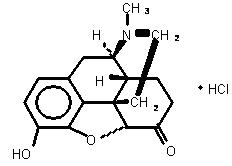
EXALGO tablets contain hydromorphone hydrochloride, a mu-opioid agonist. Hydromorphone hydrochloride USP is 4,5?-epoxy-3-hydroxy-17-methlymorphinan-6-one hydrochloride. Hydromorphone hydrochloride is a white or almost white crystalline powder that is freely soluble in water, very slightly soluble in ethanol (96%), and practically insoluble in methylene chloride. Its empirical formula is C 17 H 19 NO 3 *HCl. The compound has the following structural formula: EXALGO also contains the following inactive ingredients: butylated hydroxytoluene, cellulose acetate, iron oxide black, ferric oxide red (8 mg only), ferric oxide yellow (12 mg and 16 mg only), hypromellose, lactose anhydrous, lactose monohydrate, magnesium stearate, polyethylene glycol, polyethylene oxide, povidone, sodium chloride, titanium dioxide, and triacetin.
EXALGO is an extended-release oral formulation of hydromorphone hydrochloride indicated for the management of moderate to severe pain in opioid tolerant patients requiring continuous, around-the-clock opioid analgesia for an extended period of time. Patients considered opioid tolerant are those who are taking at least 60 mg oral morphine per day, 25 mcg transdermal fentanyl/hour, 30 mg oral oxycodone/day, 8 mg oral hydromorphone/day, 25 mg oral oxymorphone/day or an equianalgesic dose of another opioid, for a week or longer. EXALGO is NOT intended for use as an as-needed analgesic. EXALGO is not indicated for the management of acute or postoperative pain. EXALGO is an opioid agonist indicated for once daily administration for the management of moderate to severe pain in opioid tolerant patients requiring continuous, around-the-clock opioid analgesia for an extended period of time ( 1 ). EXALGO is NOT intended for use as an as-needed analgesic ( 1 ).
Selection of patients for treatment with EXALGO is governed by the same principles that apply to the use of similar opioid analgesics. Physicians should individualize treatment in every case, using non-opioid analgesics, opioids on an as-needed basis and/or combination products, and chronic opioid therapy in a progressive plan of pain management such as the guidelines outlined by the World Health Organization or the Federation of State Medical Boards Model Guidelines. EXALGO should be swallowed whole and should not be broken, crushed, dissolved, or chewed before swallowing. Dosage: Dose range studied in clinical trials is 8 mg to 64 mg once-daily ( 2.1 ). 2.1 Conversion to EXALGO in Opioid Tolerant Patients The dose range of EXALGO studied in clinical trials is 8 mg to 64 mg. The tablets are to be administered every 24 hours with or without food. Discontinue all other extended-release opioids when beginning EXALGO therapy. As EXALGO is only for use in opioid tolerant patients, do not begin any patient on EXALGO as the first opioid. Use caution to avoid medication errors when prescribing or dispensing EXALGO 8 mg tablets, as 8 mg tablets are also available as immediate-release hydromorphone tablets. It is critical to initiate the dosing regimen individually for each patient. Overestimating the EXALGO dose when converting patients from another opioid medication can result in fatal overdose with the first dose [see Overdosage (10) ]. In the selection of the initial dose of EXALGO, give attention to the following: the daily dose, potency, and specific characteristics of the opioid the patient has been taking previously; the reliability of the relative potency estimate used to calculate the equivalent hydromorphone dose needed; the patient's degree of opioid tolerance; the age, general condition, and medical status of the patient; concurrent non-opioid analgesics and other medications, such as those with Central Nervous System (CNS) activity [see Drug Interactions (7) ]; the type and severity of the patient's pain; the balance between pain control and adverse effects; risk factors for abuse, addiction, or diversion, including a prior history of abuse, addiction, or diversion. The following dosing recommendations, therefore, can only be considered as suggested approaches to what is actually a series of clinical decisions over time in the management of the pain of each individual patient. Conversion from Other Oral Hydromorphone Formulations to EXALGO Patients receiving oral immediate-release hydromorphone may be converted to EXALGO by administering a starting dose equivalent to the patient's total daily oral hydromorphone dose, taken once daily. The dose of EXALGO can be titrated every 3 to 4 days until adequate pain relief with tolerable side effects has been achieved [see Dosage and Administration (2.1) ]. Conversion from Oral Opioids to EXALGO For conversion from other opioids to EXALGO, physicians and other healthcare professionals are advised to refer to published relative potency information, keeping in mind that conversion ratios are only approximate. In general, start EXALGO therapy by administering 50% of the calculated total daily dose of EXALGO ( see conversion ratio table below ) every 24 hours. The initial dose of EXALGO can be titrated until adequate pain relief with tolerable side effects has been achieved. The following table provides approximate equivalent doses, which may be used as a guideline for conversion. The conversion ratios and approximate equivalent doses in this conversion table ( Table 1 ) are only to be used for the conversion from current oral opioid therapy to EXALGO. No fixed conversion ratio is likely to be satisfactory in all patients, especially in patients receiving large opioid doses. For patients on a regimen of mixed opioids, calculate the approximate oral hydromorphone dose for each opioid and sum the totals. For patients on a regimen of fixed-ratio opioid/non-opioid analgesic medications, only the opioid component of these medications should be used in the conversion. The non-opioid component may be continued as a separate drug, or a different non-opioid analgesic may be selected. There is substantial patient variation in the relative potency of different opioid drugs and formulations. It is extremely important to monitor all patients closely when converting from methadone to other opioid agonists. The ratio between methadone and other opioid agonists may vary widely as a function of previous dose exposure. Methadone has a long half-life and tends to accumulate in the plasma. The recommended doses are only a starting point, and close observation and titration are indicated until a satisfactory dose is obtained on the new therapy. Table 1. Conversion Ratios to EXALGO The conversion ratios and approximate equivalent doses in this conversion table are only to be used for the conversion from current opioid therapy to EXALGO. Previous Opioid Approximate Equivalent Oral Dose Oral Conversion Ratio Ratio for conversion of oral opioid dose to approximate hydromorphone equivalent dose. Hydromorphone 12 mg 1 Codeine 200 mg 0.06 Hydrocodone 30 mg 0.4 Methadone It is extremely important to monitor all patients closely when converting from methadone to other opioid agonists. The ratio between methadone and other opioid agonists may vary widely as a function of previous dose exposure. Methadone has a long half-life and tends to accumulate in the plasma. 20 mg 0.6 Morphine 60 mg 0.2 Oxycodone 30 mg 0.4 Oxymorphone 20 mg 0.6 Select opioid, sum the total daily dose, and then multiply the dose by the conversion ratio to calculate the approximate oral hydromorphone equivalent. Conversion from Transdermal Fentanyl to EXALGO Eighteen hours following the removal of the transdermal fentanyl patch, EXALGO treatment can be initiated. For each 25 mcg/hr fentanyl transdermal dose the equianalgesic dose of EXALGO is 12 mg every 24 hours. An appropriate starting dose of EXALGO is 50% of the calculated total daily dose every 24 hours. Individualization of Dosage Once therapy is initiated, assess pain relief and other opioid adverse reactions frequently. Titrate patients to adequate analgesia with dose increases not more often than every 3 to 4 days, in order to attain steady-state plasma concentrations of hydromorphone at each dose. As a guideline, consider dosage increases of 25% to 50% of the current daily dose of EXALGO for each titration step. If more than two doses of rescue medication are needed within a 24 hour period for two consecutive days, the dose of EXALGO may need to be titrated upward. Administer EXALGO no more frequently than every 24 hours. During periods of changing analgesic requirements, including initial titration, maintain frequent contact between physician, other members of the healthcare team, the patient and the caregiver/family. 2.2 Maintenance of Therapy During chronic therapy with EXALGO, assess the continued need for around-the-clock opioid therapy periodically. Continue to assess patients for their clinical risks for opioid abuse, addiction, or diversion particularly with high-dose formulations. If patients need to titrate while on maintenance therapy, follow the same method outlined in Individualization of Dosage to re-establish pain control. 2.3 Discontinuation of EXALGO When the patient no longer requires therapy with EXALGO, taper doses gradually, by 25 to 50% every 2 or 3 days down to a dose of 8 mg before discontinuation of therapy, to prevent signs and symptoms of withdrawal in the physically dependent patient. 2.4 Renal and Hepatic Impairment Start patients with moderate and severe hepatic and moderate renal impairment on a reduced dose and closely monitor during dose titration. As EXALGO is only intended for once daily administration, consider use of an alternate analgesic that may permit more flexibility with the dosing interval in patients with severe renal impairment.
Opioid non-tolerant patients ( 4.1 ) Impaired pulmonary function ( 4.2 ) Paralytic ileus ( 4.3 ) Narrowed or obstructed gastrointestinal tract ( 4.4 ) Known hypersensitivity to any components including hydromorphone hydrochloride and sulfites ( 4.5 , 5.8 ) 4.1 Opioid Non-Tolerant Patients EXALGO is contraindicated in opioid non-tolerant patients. Fatal respiratory depression could occur in patients who are not opioid tolerant. 4.2 Impaired Pulmonary Function EXALGO is contraindicated in patients with significant respiratory depression, especially in the absence of resuscitative equipment or in unmonitored settings and in patients with acute or severe bronchial asthma or hypercarbia. 4.3 Paralytic Ileus EXALGO is contraindicated in patients who have or are suspected of having a paralytic ileus. 4.4 Preexisting Gastrointestinal (GI) Surgery or Narrowing of GI Tract EXALGO is contraindicated in patients who have had surgical procedures and/or underlying disease that would result in narrowing of the gastrointestinal tract, or have "blind loops" of the gastrointestinal tract or gastrointestinal obstruction. 4.5 Allergy or Hypersensitivity EXALGO is contraindicated in patients with known hypersensitivity to any of its components including the active agent, hydromorphone hydrochloride or known allergy to sulfite-containing medications [see Warnings and Precautions (5.8) ].
The following serious adverse reactions are discussed elsewhere in the labeling: Respiratory Depression [see Warnings and Precautions (5.3) ] Head Injury and Increased Intracranial Pressure [see Warnings and Precautions (5.5) ] Hypotensive Effect [see Warnings and Precautions (5.6) ] Gastrointestinal Effects [see Warnings and Precautions (5.7) ] Cardiac Arrest [see Overdosage (10) ] Precipitation of Withdrawal [see Warnings and Precautions (5.13) ] Most common adverse reactions (>10%) are: constipation, nausea, vomiting, somnolence, headache, and dizziness ( 6.1 ). To report SUSPECTED ADVERSE REACTIONS, contact Covidien at 1-800-778-7898 or FDA at 1-800-FDA-1088 or www.fda.gov/medwatch. 6.1 Clinical Studies Experience Because clinical trials are conducted under widely varying conditions, adverse reaction rates observed in the clinical trials of a drug cannot be directly compared to rates in the clinical trials of another drug and may not reflect the rates observed in clinical practice. EXALGO was administered to a total of 2,524 patients in 15 controlled and uncontrolled clinical studies. Of these, 423 patients were exposed to EXALGO for greater than 6 months and 141 exposed for greater than one year. The overall incidence of adverse reactions in patients greater than 65 years of age was higher, with a greater than 5% difference in rates for constipation and nausea when compared with younger patients. The overall incidence of adverse reactions in female patients was higher, with a greater than 5% difference in rates for nausea, vomiting, constipation and somnolence when compared with male patients. A 12-week double-blind, placebo-controlled, randomized withdrawal study was conducted in opioid tolerant patients with moderate to severe low back pain [see Clinical Studies (14) ]. A total of 447 patients were enrolled into the open-label titration phase with 268 patients randomized into the double-blind treatment phase. The adverse reactions that were reported in at least 2% of the patients are contained in Table 2 . Table 2. Number (%) of Patients with Adverse Reactions Reported in ?2% of Patients with Moderate to Severe Low Back Pain During the Open-Label Titration Phase or Double-Blind Treatment Phase by Preferred Term Preferred Term Open-Label Titration Phase Double-Blind Treatment Phase EXALGO (N = 447) EXALGO (N = 134) Placebo (N = 134) Constipation 69 (15) 10 (7) 5 (4) Nausea 53 (12) 12 (9) 10 (7) Somnolence 39 (9) 1 (1) 0 (0) Headache 35 (8) 7 (5) 10 (7) Vomiting 29 (6) 8 (6) 6 (4) Drug Withdrawal Syndrome 22 (5) 13 (10) 16 (12) Pruritus 21 (5) 1 (1) 0 (0) Dizziness 17 (4) 3 (2) 2 (1) Asthenia Fatigue was grouped and reported with asthenia 16 (4) 2 (1) 6 (4) Insomnia 13 (3) 7 (5) 5 (4) Diarrhea 13 (3) 5 (4) 9 (7) Back Pain 13 (3) 6 (4) 8 (6) Dry Mouth 13 (3) 2 (1) 0 (0) Edema Peripheral 13 (3) 3 (2) 1 (1) Hyperhidrosis 13 (3) 2 (1) 2 (1) Anorexia Decreased appetite was grouped and reported with anorexia 10 (2) 2 (1) 0 (0) Arthralgia 9 (2) 8 (6) 3 (2) Anxiety 9 (2) 0 (0) 4 (3) Abdominal pain Abdominal pain upper was grouped and reported with abdominal pain 9 (2) 4 (3) 3 (2) Muscle Spasms 5 (1) 3 (2) 1 (1) Weight Decreased 3 (1) 4 (3) 3 (2) The adverse reactions that were reported in at least 2% of the total treated patients (N=2,474) in the 14 chronic clinical trials are contained in Table 3 . Table 3. Number (%) of Patients with Adverse Reactions Reported in ?2% of Patients with Chronic Pain Receiving EXALGO in 14 Clinical Studies by Preferred Term Preferred Term All Patients (N = 2,474) Constipation 765 (31) Nausea 684 (28) Vomiting 337 (14) Somnolence 367 (15) Headache 308 (12) Asthenia Fatigue was grouped and reported with asthenia 272 (11) Dizziness 262 (11) Diarrhea 201 (8) Pruritus 193 (8) Insomnia 161 (7) Hyperhidrosis 143 (6) Edema Peripheral 135 (5) Anorexia Decreased appetite was grouped and reported with anorexia 139 (6) Dry Mouth 121 (5) Abdominal Pain Abdominal pain upper was grouped and reported with abdominal pain 115 (5) Anxiety 95 (4) Back Pain 95 (4) Dyspepsia Reflux esophagitis, gastroesophageal reflux disease and Barrett's esophagus were grouped and reported with dyspepsia 88 (4) Depression 81 (3) Dyspnea Dyspnea exacerbated and dyspnea exertional were grouped and reported with dyspnea 76 (3) Muscle Spasms 74 (3) Arthralgia 72 (3) Rash 64 (3) Pain in Extremity 63 (3) Pain 58 (2) Drug Withdrawal Syndrome 55 (2) Pyrexia 52 (2) Fall 51 (2) Chest discomfort Chest pain and non-cardiac chest pain were grouped and reported with chest discomfort 51 (2) The following Adverse Reactions occurred in patients with an overall frequency of <2% and are listed in descending order within each System Organ Class: Cardiac disorders: palpitations, tachycardia, bradycardia, extrasystoles Ear and labyrinth disorders: vertigo, tinnitus Endocrine disorders: hypogonadism Eye disorders: vision blurred, diplopia, dry eye, miosis Gastrointestinal disorders: flatulence, dysphagia, hematochezia, abdominal distension, hemorrhoids, abnormal feces, intestinal obstruction, eructation, diverticulum, gastrointestinal motility disorder, large intestine perforation, anal fissure, bezoar, duodenitis, ileus, impaired gastric emptying, painful defecation General disorders and administration site conditions: chills, malaise, feeling abnormal, feeling hot and cold, feeling jittery, hangover, difficulty in walking, feeling drunk, hypothermia Infections and infestations: gastroenteritis, diverticulitis Injury, poisoning and procedural complications: contusion, overdose Investigations: weight decreased, hepatic enzyme increased, blood potassium decreased, blood amylase increased, blood testosterone decreased, oxygen saturation decreased Metabolism and nutrition disorders: dehydration, fluid retention, increased appetite, hyperuricemia Musculoskeletal and connective tissue disorders: myalgia Nervous system disorders: tremor, sedation, hypoesthesia, paraesthesia, disturbance in attention, memory impairment, dysarthria, syncope, balance disorder, dysgeusia, depressed level of consciousness, coordination abnormal, hyperesthesia, myoclonus, dyskinesia, hyperreflexia, encephalopathy, cognitive disorder, convulsion, psychomotor hyperactivity Psychiatric disorders: confusional state, nervousness, restlessness, abnormal dreams, mood altered, hallucination, panic attack, euphoric mood, paranoia, dysphoria, listless, crying, suicide ideation, libido decreased, aggression Renal and urinary disorders: dysuria, urinary retention, urinary frequency, urinary hesitation, micturition disorder Reproductive system and breast disorders: erectile dysfunction, sexual dysfunction Respiratory, thoracic and mediastinal disorders: rhinorrhoea, respiratory distress, hypoxia, bronchospasm, sneezing, hyperventilation, respiratory depression Skin and subcutaneous tissue disorders: erythema Vascular disorders: flushing, hypertension, hypotension
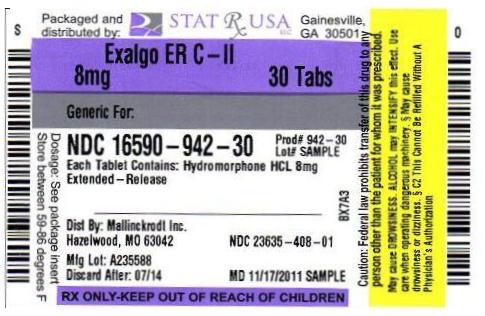
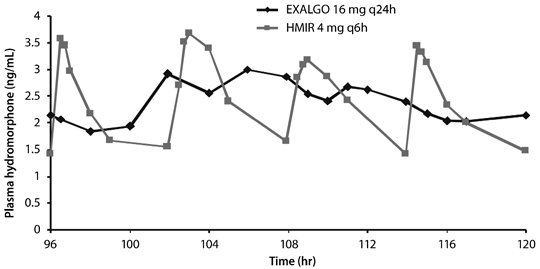
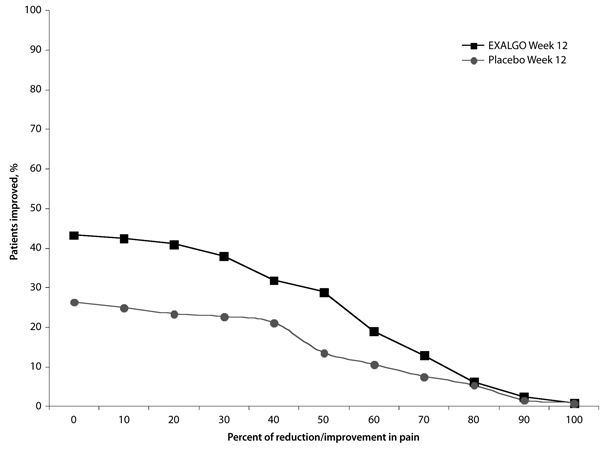
EXALGO can be abused. Use caution when prescribing if there is an increased risk of misuse, abuse, or diversion ( 5.2 ). EXALGO may be associated with clinically significant respiratory depression. Monitor patients accordingly ( 5.3 ). EXALGO may have additive effects when used in conjunction with alcohol and other CNS depressants ( 5.4 ). Use EXALGO with extreme caution in patients susceptible to intracranial effects of CO2 retention ( 5.5 ). EXALGO may cause hypotension. Use with caution in patients in circulatory shock ( 5.6 ). EXALGO should not be abruptly discontinued ( 5.13 ). 5.1 Information Essential for Safe Administration EXALGO tablets are to be swallowed whole, and are not to be broken, chewed, crushed, dissolved or injected. Taking broken, chewed, crushed, dissolved EXALGO or its contents leads to the rapid release and absorption of a potentially fatal dose of hydromorphone [see Boxed Warning ]. EXALGO is for use only in opioid tolerant patients. Ingestion of EXALGO may cause fatal respiratory depression when administered to patients who are not opioid tolerant [see Boxed Warning ]. EXALGO tablets must be kept in a secure place out of the reach of children. Accidental consumption of EXALGO, especially in children, can result in a fatal overdose of hydromorphone. 5.2 Misuse and Abuse EXALGO contains hydromorphone, an opioid agonist, and is a Schedule II controlled substance. Opioid agonists have the potential for being abused and are sought by drug abusers and people with addiction disorders and are subject to criminal diversion. EXALGO can be abused in a manner similar to other opioid agonists, legal or illicit. This should be considered when prescribing or dispensing EXALGO in situations where the healthcare professional is concerned about an increased risk of misuse, abuse, or diversion. Breaking, crushing, chewing, or dissolving the contents of an EXALGO tablet results in the uncontrolled delivery of the opioid and poses a significant risk of overdose and death [see Drug Abuse and Dependence (9) ]. If attempts are made to extract the drug from the hard outer shell for purposes of parenteral abuse, the injection of tablet excipients may be toxic and may result in lethal complications. Concerns about abuse, addiction, and diversion should not prevent the proper management of pain. However, all patients treated with opioids, including EXALGO, require careful monitoring for signs of abuse and addiction, since use of opioid analgesic products carries the risk of addiction even under appropriate medical use. Healthcare professionals should contact their State Professional Licensing Board or State Controlled Substances Authority for information on how to prevent and detect abuse or diversion of this product. 5.3 Respiratory Depression Respiratory depression is the chief hazard of EXALGO. Respiratory depression occurs more frequently in elderly or debilitated patients as well as those suffering from conditions accompanied by hypoxia or hypercapnia when even moderate therapeutic doses may dangerously decrease pulmonary ventilation, and when opioids are given in conjunction with other agents that depress respiration. Use EXALGO with extreme caution in patients with conditions accompanied by hypoxia, hypercapnia, or decreased respiratory reserve such as asthma, chronic obstructive pulmonary disease or cor pulmonale, severe obesity, sleep apnea, myxedema, kyphoscoliosis or CNS depression. In these patients, even moderate therapeutic doses of hydromorphone may decrease respiratory drive while simultaneously increasing airway resistance to the point of apnea. In these patients, consider alternative non-opioid analgesics, and use EXALGO only under careful medical supervision at the lowest effective dose. 5.4 Interactions with Alcohol and Other CNS Depressants The concurrent use of EXALGO with other central nervous system (CNS) depressants, including but not limited to other opioids, illicit drugs, sedatives, hypnotics, general anesthetics, phenothiazines, muscle relaxants, other tranquilizers, and alcohol, increases the risk of respiratory depression, hypotension, and profound sedation, potentially resulting in coma or death. Use with caution and in reduced dosages in patients taking CNS depressants. Avoid concurrent use of alcohol and EXALGO [see Clinical Pharmacology (12.3) ]. 5.5 Head Injury and Increased Intracranial Pressure In the presence of head injury, intracranial lesions or a preexisting increase in intracranial pressure, the respiratory depressant effects of EXALGO and its potential to elevate cerebrospinal fluid pressure (resulting from vasodilation following CO2 retention) may be markedly exaggerated. Furthermore, EXALGO can produce effects on pupillary response and consciousness, which may obscure neurologic signs of further increases in intracranial pressure in patients with head injuries. 5.6 Hypotensive Effect EXALGO may cause severe hypotension. There is added risk to individuals whose ability to maintain blood pressure has been compromised by a depleted blood volume, or after concurrent administration with drugs such as phenothiazines, general anesthetics, or other agents that compromise vasomotor tone. Administer EXALGO with caution to patients in circulatory shock, since vasodilation produced by the drug may further reduce cardiac output and blood pressure. 5.7 Gastrointestinal Effects Because the EXALGO tablet is nondeformable and does not appreciably change in shape in the GI tract, do not administer EXALGO to patients with preexisting severe gastrointestinal narrowing (pathologic or iatrogenic, for example: esophageal motility disorders small bowel inflammatory disease, "short gut" syndrome due to adhesions or decreased transit time, past history of peritonitis, cystic fibrosis, chronic intestinal pseudoobstruction, or Meckel's diverticulum). There have been reports of obstructive symptoms in patients with known strictures or risk of strictures, such as previous GI surgery, in association with the ingestion of drugs in nondeformable extended-release formulations. The administration of EXALGO may obscure the diagnosis or clinical course in patients with acute abdominal condition. It is possible that EXALGO tablets may be visible on abdominal x-rays under certain circumstances, especially when digital enhancing techniques are utilized. 5.8 Sulfites EXALGO contains sodium metabisulfite, a sulfite that may cause allergic-type reactions including anaphylactic symptoms and life-threatening or less severe asthmatic episodes in certain susceptible people. The overall prevalence of sulfite sensitivity in the general population is unknown and probably low. Sulfite sensitivity is seen more frequently in asthmatic than in nonasthmatic people. 5.9 MAO Inhibitors EXALGO is not recommended for use in patients who have received MAO inhibitors within 14 days, because severe and unpredictable potentiation by MAO inhibitors has been reported with opioid analgesics. 5.10 Special Risk Groups EXALGO should be administered with caution in elderly (? 65 years) and debilitated patients and in patients who are known to be sensitive to central nervous system depressants, such as those with cardiovascular, pulmonary, renal, or hepatic disease [see Use in Specific Populations (8) ]. EXALGO should also be used with caution in the following conditions: adrenocortical insufficiency (e.g., Addison's disease); delirium tremens; myxedema or hypothyroidism; prostatic hypertrophy or urethral stricture; and, toxic psychosis. EXALGO may aggravate convulsions in patients with convulsive disorders, and all opioids may induce or aggravate seizures in some clinical settings. 5.11 Use in Pancreatic/Biliary Tract Disease EXALGO can cause an increase in biliary tract pressure as a result of spasm in the sphincter of Oddi. Caution should be exercised in the administration of EXALGO to patients with inflammatory or obstructive bowel disorders, acute pancreatitis secondary to biliary tract disease and in patients about to undergo biliary surgery. 5.12 Driving and Operating Machinery EXALGO may impair the mental and/or physical abilities needed to perform potentially hazardous activities such as driving a car or operating machinery. Caution patients accordingly. Also warn patients about the potential combined effects of EXALGO with other CNS depressants, including other opioids, phenothiazines, sedative/hypnotics, and alcohol [see Drug Interactions (7) ]. 5.13 Precipitation of Withdrawal Mixed agonist/antagonist analgesics (i.e., pentazocine, nalbuphine, and butorphanol) should not be administered to patients who have received or are receiving a course of therapy with a pure opioid agonist analgesic, including EXALGO. In these patients, mixed agonists/antagonists analgesics may reduce the analgesic effect and/or may precipitate withdrawal symptoms. Do not abruptly discontinue EXALGO. Clinical conditions or medicinal products that cause a sudden and significant shortening of gastrointestinal transit time may result in decreased hydromorphone absorption with EXALGO and may potentially lead to withdrawal symptoms in patients with a physical dependence on opioids. --- BOXED WARNING: WARNING: POTENTIAL FOR ABUSE, IMPORTANCE OF PROPER PATIENT SELECTION AND LIMITATIONS OF USE Potential for Abuse EXALGO contains hydromorphone, an opioid agonist and a Schedule II controlled substance with an abuse liability similar to other opioid analgesics. EXALGO can be abused in a manner similar to other opioid agonists, legal or illicit. These risks should be considered when administering, prescribing, or dispensing EXALGO in situations where the healthcare professional is concerned about increased risk of misuse, abuse, or diversion. Schedule II opioid substances which include hydromorphone, morphine, oxycodone, fentanyl, oxymorphone and methadone have the highest potential for abuse and risk of fatal overdose due to respiratory depression [see Drug Abuse and Dependence (9) ]. Proper Patient Selection EXALGO is an extended-release formulation of hydromorphone hydrochloride indicated for the management of moderate to severe pain in opioid tolerant patients when a continuous around-the-clock opioid analgesic is needed for an extended period of time. Patients considered opioid tolerant are those who are taking at least 60 mg oral morphine per day, 25 mcg transdermal fentanyl/hour, 30 mg oral oxycodone/day, 8 mg oral hydromorphone/day, 25 mg oral oxymorphone/day or an equianalgesic dose of another opioid, for a week or longer [see Indications and Usage (1) and Dosage and Administration (2) ]. EXALGO is for use in opioid tolerant patients only [see Indications and Usage (1) and Dosage and Administration (2) ]. Fatal respiratory depression could occur in patients who are not opioid tolerant. Accidental consumption of EXALGO, especially in children, can result in a fatal overdose of hydromorphone [see Warnings and Precautions (5.1) ]. Limitations of Use EXALGO is not indicated for the management of acute or postoperative pain [see Indications and Usage (1) ]. EXALGO is not intended for use as an as-needed analgesic [see Indications and Usage (1) ]. EXALGO tablets are to be swallowed whole and are not to be broken, chewed, dissolved, crushed or injected. Taking broken, chewed, dissolved or crushed EXALGO or its contents leads to rapid release and absorption of a potentially fatal dose of hydromorphone [see Warnings and Precautions (5) ]. WARNING: POTENTIAL FOR ABUSE, IMPORTANCE OF PROPER PATIENT SELECTION AND LIMITATIONS OF USE See full prescribing information for complete boxed warning. EXALGO is indicated for opioid tolerant patients only ( 1 ). EXALGO contains hydromorphone, a Schedule II controlled substance, which can be abused and is subject to misuse, abuse, addiction, and criminal diversion ( 9 ). EXALGO is not indicated for use in the management of acute or postoperative pain and is not intended for use as an as-needed analgesic ( 4 ). Fatal respiratory depression could occur in patients who are not opioid tolerant ( 5 ). Accidental consumption of EXALGO, especially in children, can result in a fatal overdose of hydromorphone ( 5 ). EXALGO tablets are to be swallowed whole and are not to be broken, chewed, dissolved, crushed or injected. Taking broken, chewed, dissolved or crushed EXALGO leads to rapid release and absorption of a potentially fatal dose of hydromorphone ( 5 ). chemical structure Figure 1 Figure 2 Label Image 8 mg
EXALGO is not intended for patients taking Monoamine oxidase (MAO) inhibitors or within 14 days of stopping such treatment ( 7 ). Mixed agonist/antagonist opioid analgesics may reduce the analgesic effect of EXALGO and/or may precipitate withdrawal symptoms ( 7.3 ). Medications with anticholinergic activity when used with EXALGO may increase risk of urinary retention and/or severe constipation ( 7.4 ). 7.1 CNS Depressants The concomitant use of EXALGO with central nervous system depressants such as hypnotics, sedatives, general anesthetics, antipsychotics and alcohol may cause additive depressant effects and respiratory depression. Additionally, hypotension and profound sedation or coma could occur. When this combination is indicated, the dose of one or both agents should be reduced. The concomitant use of alcohol should be avoided [see Clinical Pharmacology (12.3) ]. 7.2 Monoamine Oxidase (MAO) Inhibitors MAO inhibitors may cause CNS excitation or depression, hypotension or hypertension if co-administered with opioids including EXALGO. EXALGO is not intended for patients taking MAO inhibitors or within 14 days of stopping such treatment. 7.3 Mixed Agonist/Antagonist Opioid Analgesics The concomitant use of EXALGO with morphine agonist/antagonists (buprenorphone, nalbuphine, pentazocine) could lead to a reduction of the analgesic effect by competitive blocking of receptors, thus leading to risk of withdrawal symptoms. Therefore, this combination is not recommended. 7.4 Anticholinergics Anticholinergics or other medications with anticholinergic activity when used concurrently with EXALGO may result in increased risk of urinary retention and/or severe constipation, which may lead to paralytic ileus. 7.5 Cytochrome P450 Enzymes In vitro data suggest that hydromorphone in clinically relevant concentrations has minimal potential to inhibit the activity of human hepatic CYP450 enzymes including CYP1A2, 2C9, 2C19, 2D6, 3A4, and 4A11.