
İHALE DÜNYASI
İHALE DÜNYASI

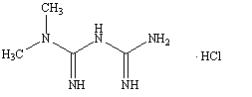
ACTOPLUS MET (R) (pioglitazone hydrochloride and metformin hydrochloride) tablets contain two oral antihyperglycemic drugs used in the management of type 2 diabetes: pioglitazone hydrochloride and metformin hydrochloride. The concomitant use of pioglitazone and metformin has been previously approved based on clinical trials in patients with type 2 diabetes inadequately controlled on metformin. Additional efficacy and safety information about pioglitazone and metformin monotherapies may be found in the prescribing information for each individual drug. Pioglitazone hydrochloride is an oral antihyperglycemic agent that acts primarily by decreasing insulin resistance. Pioglitazone is used in the management of type 2 diabetes. Pharmacological studies indicate that pioglitazone improves sensitivity to insulin in muscle and adipose tissue and inhibits hepatic gluconeogenesis. Pioglitazone improves glycemic control while reducing circulating insulin levels. Pioglitazone [(±)-5-[[4-[2-(5-ethyl-2-pyridinyl)ethoxy]phenyl]methyl]-2,4-] thiazolidinedione monohydrochloride belongs to a different chemical class and has a different pharmacological action than the sulfonylureas, biguanides, or the ?-glucosidase inhibitors. The molecule contains one asymmetric center, and the synthetic compound is a racemate. The two enantiomers of pioglitazone interconvert in vivo . The structural formula is as shown: pioglitazone hydrochloride Pioglitazone hydrochloride is an odorless white crystalline powder that has a molecular formula of C 19 H 20 N 2 O 3 S*HCl and a molecular weight of 392.90. It is soluble in N,N -dimethylformamide, slightly soluble in anhydrous ethanol, very slightly soluble in acetone and acetonitrile, practically insoluble in water, and insoluble in ether. Metformin hydrochloride ( N,N -dimethylimidodicarbonimidic diamide hydrochloride) is not chemically or pharmacologically related to any other classes of oral antihyperglycemic agents. Metformin hydrochloride is a white crystalline powder with a molecular formula of C 4 H 11 N 5 *HCl and a molecular weight of 165.62. Metformin hydrochloride is freely soluble in water and is practically insoluble in acetone, ether, and chloroform. The pKa of metformin is 12.4. The pH of a 1% aqueous solution of metformin hydrochloride is 6.68. The structural formula is as shown: metformin hydrochloride ACTOPLUS MET is available as a tablet for oral administration containing 15 mg pioglitazone hydrochloride (as the base) with 500 mg metformin hydrochloride (15 mg/500 mg) or 15 mg pioglitazone hydrochloride (as the base) with 850 mg metformin hydrochloride (15 mg/850 mg) formulated with the following excipients: povidone USP, microcrystalline cellulose NF, croscarmellose sodium NF, magnesium stearate NF, hypromellose 2910 USP, polyethylene glycol 8000 NF, titanium dioxide USP, and talc USP. Chemical Structure Chemical Structure
ACTOPLUS MET is a thiazolidinedione and biguanide combination product indicated as an adjunct to diet and exercise to improve glycemic control in adults with type 2 diabetes mellitus who are already treated with a thiazolidinedione and metformin or who have inadequate glycemic control on a thiazolidinedione alone or metformin alone.
General The use of antihyperglycemic therapy in the management of type 2 diabetes should be individualized on the basis of effectiveness and tolerability while not exceeding the maximum recommended daily dose of pioglitazone 45 mg and metformin 2550 mg. Dosage Recommendations Selecting the starting dose of ACTOPLUS MET should be based on the patient's current regimen of pioglitazone and/or metformin. After initiation of ACTOPLUS MET or with dose increase, patients should be carefully monitored for adverse events related to fluid retention (see BOXED WARNING and WARNINGS , Pioglitazone hydrochloride ). ACTOPLUS MET should be given in divided daily doses with meals to reduce the gastrointestinal side effects associated with metformin. Starting dose for patients inadequately controlled on metformin monotherapy Based on the usual starting dose of pioglitazone (15-30 mg daily), ACTOPLUS MET may be initiated at either the 15 mg/500 mg or 15 mg/850 mg tablet strength once or twice daily, and gradually titrated after assessing adequacy of therapeutic response. Starting dose for patients who initially responded to pioglitazone monotherapy and require additional glycemic control Based on the usual starting doses of metformin (500 mg twice daily or 850 mg daily), ACTOPLUS MET may be initiated at either the 15 mg/500 mg twice daily or 15 mg/850 mg tablet strength once daily, and gradually titrated after assessing adequacy of therapeutic response. Starting dose for patients switching from combination therapy of pioglitazone plus metformin as separate tablets ACTOPLUS MET may be initiated with either the 15 mg/500 mg or 15 mg/850 mg tablet strengths based on the dose of pioglitazone and metformin already being taken. No studies have been performed specifically examining the safety and efficacy of ACTOPLUS MET in patients previously treated with other oral hypoglycemic agents and switched to ACTOPLUS MET. Any change in therapy of type 2 diabetes should be undertaken with care and appropriate monitoring as changes in glycemic control can occur. Sufficient time should be given to assess adequacy of therapeutic response. Ideally, the response to therapy should be evaluated using A1C, which is a better indicator of long-term glycemic control than FPG alone. A1C reflects glycemia over the past two to three months. In clinical use, it is recommended that patients be treated with ACTOPLUS MET for a period of time adequate to evaluate change in A1C (8-12 weeks) unless glycemic control as measured by FPG deteriorates. Special Patient Populations ACTOPLUS MET is not recommended for use in pregnancy or for use in pediatric patients. The initial and maintenance dosing of ACTOPLUS MET should be conservative in patients with advanced age, due to the potential for decreased renal function in this population. Any dosage adjustment should be based on a careful assessment of renal function. Generally, elderly, debilitated, and malnourished patients should not be titrated to the maximum dose of ACTOPLUS MET. Monitoring of renal function is necessary to aid in prevention of metformin-associated lactic acidosis, particularly in the elderly (see WARNINGS, Metformin hydrochloride and PRECAUTIONS, General: Metformin hydrochloride ). Therapy with ACTOPLUS MET should not be initiated if the patient exhibits clinical evidence of active liver disease or increased serum transaminase levels (ALT greater than 2.5 times the upper limit of normal) at start of therapy (see PRECAUTIONS, General: Pioglitazone hydrochloride and CLINICAL PHARMACOLOGY, Special Populations, Hepatic Insufficiency ). Liver enzyme monitoring is recommended in all patients prior to initiation of therapy with ACTOPLUS MET and periodically thereafter (see PRECAUTIONS, General: Pioglitazone hydrochloride and PRECAUTIONS, Laboratory Tests ). Maximum Recommended Dose ACTOPLUS MET tablets are available as a 15 mg pioglitazone plus 500 mg metformin or a 15 mg pioglitazone plus 850 mg metformin formulation for oral administration. The maximum recommended dose for pioglitazone is 45 mg daily. The maximum recommended daily dose for metformin is 2550 mg in adults.
Initiation of ACTOPLUS MET in patients with established New York Heart Association (NYHA) Class III or IV heart failure is contraindicated (see BOXED WARNING ). In addition, ACTOPLUS MET is contraindicated in patients with: Renal disease or renal dysfunction (e.g., as suggested by serum creatinine levels ? 1.5 mg/dL [males], ? 1.4 mg/dL [females], or abnormal creatinine clearance) which may also result from conditions such as cardiovascular collapse (shock), acute myocardial infarction, and septicemia (see WARNINGS, Metformin hydrochloride and PRECAUTIONS, General: Metformin hydrochloride ). Known hypersensitivity to pioglitazone, metformin or any other component of ACTOPLUS MET. Acute or chronic metabolic acidosis, including diabetic ketoacidosis, with or without coma. Diabetic ketoacidosis should be treated with insulin. ACTOPLUS MET should be temporarily discontinued in patients undergoing radiologic studies involving intravascular administration of iodinated contrast materials, because use of such products may result in acute alteration of renal function (see PRECAUTIONS, General: Metformin hydrochloride ).
Over 8500 patients with type 2 diabetes have been treated with pioglitazone in randomized, double-blind, controlled clinical trials. This includes 2605 high-risk patients with type 2 diabetes treated with pioglitazone from the PROactive clinical trial. Over 6000 patients have been treated for 6 months or longer, and over 4500 patients for one year or longer. Over 3000 patients have received pioglitazone for at least 2 years. The most common adverse events reported in at least 5% of patients in the controlled 16-week clinical trial between placebo plus metformin and pioglitazone 30 mg plus metformin were upper respiratory tract infection (15.6% and 15.5%), diarrhea (6.3% and 4.8%), combined edema/peripheral edema (2.5% and 6.0%) and headache (1.9% and 6.0%), respectively. The incidence and type of adverse events reported in at least 5% of patients in any combined treatment group from the 24-week study comparing pioglitazone 30 mg plus metformin and pioglitazone 45 mg plus metformin are shown in Table 4; the rate of adverse events resulting in study discontinuation between the two treatment groups was 7.8% and 7.7%, respectively. Table 4. Adverse Events That Occurred in ? 5% of Patients in Any Treatment Group During the 24-Week Study Adverse Event Preferred Term Pioglitazone 30 mg + metformin N=411 n (%) Pioglitazone 45 mg + metformin N=416 n (%) Upper Respiratory Tract Infection 51 (12.4) 56 (13.5) Diarrhea 24 (5.8) 20 (4.8) Nausea 24 (5.8) 15 (3.6) Headache 19 (4.6) 22 (5.3) Urinary Tract Infection 24 (5.8) 22 (5.3) Sinusitis 18 (4.4) 21 (5.0) Dizziness 22 (5.4) 20 (4.8) Edema Lower Limb 12 (2.9) 47 (11.3) Weight Increased 12 (2.9) 28 (6.7) Most clinical adverse events were similar between groups treated with pioglitazone in combination with metformin and those treated with pioglitazone monotherapy. Other adverse events reported in at least 5% of patients in controlled clinical trials between placebo and pioglitazone monotherapy included myalgia (2.7% and 5.4%), tooth disorder (2.3% and 5.3%), diabetes mellitus aggravated (8.1% and 5.1%) and pharyngitis (0.8% and 5.1%), respectively. In U.S. double-blind studies, anemia was reported in ? 2% of patients treated with pioglitazone plus metformin (see PRECAUTIONS, General: Pioglitazone hydrochloride ). In monotherapy studies, edema was reported for 4.8% (with doses from 7.5 mg to 45 mg) of patients treated with pioglitazone versus 1.2% of placebo-treated patients. Most of these events were considered mild or moderate in intensity (see PRECAUTIONS, General: Pioglitazone hydrochloride ).
Metformin hydrochloride Lactic Acidosis : Lactic acidosis is a rare, but serious, metabolic complication that can occur due to metformin accumulation during treatment with ACTOPLUS MET (pioglitazone hydrochloride and metformin hydrochloride) tablets; when it occurs, it is fatal in approximately 50% of cases. Lactic acidosis may also occur in association with a number of pathophysiologic conditions, including diabetes mellitus, and whenever there is significant tissue hypoperfusion and hypoxemia. Lactic acidosis is characterized by elevated blood lactate levels (> 5 mmol/L), decreased blood pH, electrolyte disturbances with an increased anion gap, and an increased lactate/pyruvate ratio. When metformin is implicated as the cause of lactic acidosis, metformin plasma levels > 5 µg/mL are generally found. The reported incidence of lactic acidosis in patients receiving metformin hydrochloride is very low (approximately 0.03 cases/1000 patient-years, with approximately 0.015 fatal cases/1000 patient-years). In more than 20,000 patient-years exposure to metformin in clinical trials, there were no reports of lactic acidosis. Reported cases have occurred primarily in diabetic patients with significant renal insufficiency, including both intrinsic renal disease and renal hypoperfusion, often in the setting of multiple concomitant medical/surgical problems and multiple concomitant medications. Patients with congestive heart failure requiring pharmacologic management, in particular those with unstable or acute congestive heart failure who are at risk of hypoperfusion and hypoxemia, are at increased risk of lactic acidosis. The risk of lactic acidosis increases with the degree of renal dysfunction and the patient's age. The risk of lactic acidosis may, therefore, be significantly decreased by regular monitoring of renal function in patients taking metformin and by use of the minimum effective dose of metformin. In particular, treatment of the elderly should be accompanied by careful monitoring of renal function. Metformin treatment should not be initiated in patients ? 80 years of age unless measurement of creatinine clearance demonstrates that renal function is not reduced, as these patients are more susceptible to developing lactic acidosis. In addition, metformin should be promptly withheld in the presence of any condition associated with hypoxemia, dehydration, or sepsis. Because impaired hepatic function may significantly limit the ability to clear lactate, metformin should generally be avoided in patients with clinical or laboratory evidence of hepatic disease. Patients should be cautioned against excessive alcohol intake, either acute or chronic, when taking metformin, since alcohol potentiates the effects of metformin hydrochloride on lactate metabolism. In addition, metformin should be temporarily discontinued prior to any intravascular radiocontrast study and for any surgical procedure (see PRECAUTIONS, General: Metformin hydrochloride ). The onset of lactic acidosis often is subtle, and accompanied only by nonspecific symptoms such as malaise, myalgias, respiratory distress, increasing somnolence, and nonspecific abdominal distress. There may be associated hypothermia, hypotension, and resistant bradyarrhythmias with more marked acidosis. The patient and the patient's physician must be aware of the possible importance of such symptoms and the patient should be instructed to notify the physician immediately if they occur (see PRECAUTIONS, General: Metformin hydrochloride ). Metformin should be withdrawn until the situation is clarified. Serum electrolytes, ketones, blood glucose, and, if indicated, blood pH, lactate levels, and even blood metformin levels may be useful. Once a patient is stabilized on any dose level of metformin, gastrointestinal symptoms, which are common during initiation of therapy, are unlikely to be drug related. Later occurrence of gastrointestinal symptoms could be due to lactic acidosis or other serious disease. Levels of fasting venous plasma lactate above the upper limit of normal but less than 5 mmol/L in patients taking metformin do not necessarily indicate impending lactic acidosis and may be explainable by other mechanisms, such as poorly controlled diabetes or obesity, vigorous physical activity, or technical problems in sample handling (see PRECAUTIONS, General: Metformin hydrochloride ). Lactic acidosis should be suspected in any diabetic patient with metabolic acidosis lacking evidence of ketoacidosis (ketonuria and ketonemia). Lactic acidosis is a medical emergency that must be treated in a hospital setting. In a patient with lactic acidosis who is taking metformin, the drug should be discontinued immediately and general supportive measures promptly instituted. Because metformin hydrochloride is dialyzable (with a clearance of up to 170 mL/min under good hemodynamic conditions), prompt hemodialysis is recommended to correct the acidosis and remove the accumulated metformin. Such management often results in prompt reversal of symptoms and recovery (see CONTRAINDICATIONS and PRECAUTIONS, General: Metformin hydrochloride ). Pioglitazone hydrochloride Cardiac Failure and Other Cardiac Effects : Pioglitazone, like other thiazolidinediones, can cause fluid retention when used alone or in combination with other antihyperglycemic agents, including insulin. Fluid retention may lead to or exacerbate heart failure. Patients should be observed for signs and symptoms of heart failure. If these signs and symptoms develop, the heart failure should be managed according to current standards of care. Furthermore, discontinuation or dose reduction of pioglitazone must be considered. Patients with NYHA Class III and IV cardiac status were not studied during pre-approval clinical trials and pioglitazone is not recommended in these patients (see BOXED WARNING and CONTRAINDICATIONS ). In one 16-week U.S. double-blind, placebo-controlled clinical trial involving 566 patients with type 2 diabetes, pioglitazone at doses of 15 mg and 30 mg in combination with insulin was compared to insulin therapy alone. This trial included patients with long-standing diabetes and a high prevalence of pre-existing medical conditions as follows: arterial hypertension (57.2%), peripheral neuropathy (22.6%), coronary heart disease (19.6%), retinopathy (13.1%), myocardial infarction (8.8%), vascular disease (6.4%), angina pectoris (4.4%), stroke and/or transient ischemic attack (4.1%), and congestive heart failure (2.3%). In this study two of the 191 patients receiving 15 mg pioglitazone plus insulin (1.1%) and two of the 188 patients receiving 30 mg pioglitazone plus insulin (1.1%) developed congestive heart failure compared with none of the 187 patients on insulin therapy alone. All four of these patients had previous histories of cardiovascular conditions including coronary artery disease, previous CABG procedures, and myocardial infarction. In a 24-week dose-controlled study in which pioglitazone was co-administered with insulin, 0.3% of patients (1/345) on 30 mg and 0.9% (3/345) of patients on 45 mg reported CHF as a serious adverse event. Analysis of data from these studies did not identify specific factors that predict increased risk of congestive heart failure on combination therapy with insulin. In type 2 diabetes and congestive heart failure (systolic dysfunction) A 24-week post-marketing safety study was performed to compare ACTOS (n=262) to glyburide (n=256) in uncontrolled diabetic patients (mean A1C 8.8% at baseline) with NYHA Class II and III heart failure and ejection fraction less than 40% (mean EF 30% at baseline). Over the course of the study, overnight hospitalization for congestive heart failure was reported in 9.9% of patients on ACTOS compared to 4.7% of patients on glyburide with a treatment difference observed from 6 weeks. This adverse event associated with ACTOS was more marked in patients using insulin at baseline and in patients over 64 years of age. No difference in cardiovascular mortality between the treatment groups was observed. ACTOS should be initiated at the lowest approved dose if it is prescribed for patients with type 2 diabetes and systolic heart failure (NYHA Class II). If subsequent dose escalation is necessary, the dose should be increased gradually only after several months of treatment with careful monitoring for weight gain, edema, or signs and symptoms of CHF exacerbation. Prospective Pioglitazone Clinical Trial In Macrovascular Events (PROactive) In PROactive, 5238 patients with type 2 diabetes and a prior history of macrovascular disease were treated with ACTOS (n=2605), force-titrated up to 45 mg once daily, or placebo (n=2633) (see ADVERSE REACTIONS ). The percentage of patients who had an event of serious heart failure was higher for patients treated with ACTOS (5.7%, n=149) than for patients treated with placebo (4.1%, n=108). The incidence of death subsequent to a report of serious heart failure was 1.5% (n=40) in patients treated with ACTOS and 1.4% (n=37) in placebo-treated patients. In patients treated with an insulin-containing regimen at baseline, the incidence of serious heart failure was 6.3% (n=54/864) with ACTOS and 5.2% (n=47/896) with placebo. For those patients treated with a sulfonylurea-containing regimen at baseline, the incidence of serious heart failure was 5.8% (n=94/1624) with ACTOS and 4.4% (n=71/1626) with placebo. --- BOXED WARNING: WARNING: CONGESTIVE HEART FAILURE Thiazolidinediones, including pioglitazone, which is a component of ACTOPLUS MET, cause or exacerbate congestive heart failure in some patients (see WARNINGS , Pioglitazone hydrochloride ). After initiation of ACTOPLUS MET, and after dose increases, observe patients carefully for signs and symptoms of heart failure (including excessive, rapid weight gain, dyspnea, and/or edema). If these signs and symptoms develop, the heart failure should be managed according to the current standards of care. Furthermore, discontinuation or dose reduction of ACTOPLUS MET must be considered. ACTOPLUS MET is not recommended in patients with symptomatic heart failure. Initiation of ACTOPLUS MET in patients with established NYHA Class III or IV heart failure is contraindicated (see CONTRAINDICATIONS and WARNINGS , Pioglitazone hydrochloride ). | Metformin hydrochloride Lactic Acidosis : Lactic acidosis is a rare, but serious, metabolic complication that can occur due to metformin accumulation during treatment with ACTOPLUS MET (pioglitazone hydrochloride and metformin hydrochloride) tablets; when it occurs, it is fatal in approximately 50% of cases. Lactic acidosis may also occur in association with a number of pathophysiologic conditions, including diabetes mellitus, and whenever there is significant tissue hypoperfusion and hypoxemia. Lactic acidosis is characterized by elevated blood lactate levels (> 5 mmol/L), decreased blood pH, electrolyte disturbances with an increased anion gap, and an increased lactate/pyruvate ratio. When metformin is implicated as the cause of lactic acidosis, metformin plasma levels > 5 µg/mL are generally found. The reported incidence of lactic acidosis in patients receiving metformin hydrochloride is very low (approximately 0.03 cases/1000 patient-years, with approximately 0.015 fatal cases/1000 patient-years). In more than 20,000 patient-years exposure to metformin in clinical trials, there were no reports of lactic acidosis. Reported cases have occurred primarily in diabetic patients with significant renal insufficiency, including both intrinsic renal disease and renal hypoperfusion, often in the setting of multiple concomitant medical/surgical problems and multiple concomitant medications. Patients with congestive heart failure requiring pharmacologic management, in particular those with unstable or acute congestive heart failure who are at risk of hypoperfusion and hypoxemia, are at increased risk of lactic acidosis. The risk of lactic acidosis increases with the degree of renal dysfunction and the patient's age. The risk of lactic acidosis may, therefore, be significantly decreased by regular monitoring of renal function in patients taking metformin and by use of the minimum effective dose of metformin. In particular, treatment of the elderly should be accompanied by careful monitoring of renal function. Metformin treatment should not be initiated in patients ? 80 years of age unless measurement of creatinine clearance demonstrates that renal function is not reduced, as these patients are more susceptible to developing lactic acidosis. In addition, metformin should be promptly withheld in the presence of any condition associated with hypoxemia, dehydration, or sepsis. Because impaired hepatic function may significantly limit the ability to clear lactate, metformin should generally be avoided in patients with clinical or laboratory evidence of hepatic disease. Patients should be cautioned against excessive alcohol intake, either acute or chronic, when taking metformin, since alcohol potentiates the effects of metformin hydrochloride on lactate metabolism. In addition, metformin should be temporarily discontinued prior to any intravascular radiocontrast study and for any surgical procedure (see PRECAUTIONS, General: Metformin hydrochloride ). The onset of lactic acidosis often is subtle, and accompanied only by nonspecific symptoms such as malaise, myalgias, respiratory distress, increasing somnolence, and nonspecific abdominal distress. There may be associated hypothermia, hypotension, and resistant bradyarrhythmias with more marked acidosis. The patient and the patient's physician must be aware of the possible importance of such symptoms and the patient should be instructed to notify the physician immediately if they occur (see PRECAUTIONS, General: Metformin hydrochloride ). Metformin should be withdrawn until the situation is clarified. Serum electrolytes, ketones, blood glucose, and, if indicated, blood pH, lactate levels, and even blood metformin levels may be useful. Once a patient is stabilized on any dose level of metformin, gastrointestinal symptoms, which are common during initiation of therapy, are unlikely to be drug related. Later occurrence of gastrointestinal symptoms could be due to lactic acidosis or other serious disease. Levels of fasting venous plasma lactate above the upper limit of normal but less than 5 mmol/L in patients taking metformin do not necessarily indicate impending lactic acidosis and may be explainable by other mechanisms, such as poorly controlled diabetes or obesity, vigorous physical activity, or technical problems in sample handling (see PRECAUTIONS, General: Metformin hydrochloride ). Lactic acidosis should be suspected in any diabetic patient with metabolic acidosis lacking evidence of ketoacidosis (ketonuria and ketonemia). Lactic acidosis is a medical emergency that must be treated in a hospital setting. In a patient with lactic acidosis who is taking metformin, the drug should be discontinued immediately and general supportive measures promptly instituted. Because metformin hydrochloride is dialyzable (with a clearance of up to 170 mL/min under good hemodynamic conditions), prompt hemodialysis is recommended to correct the acidosis and remove the accumulated metformin. Such management often results in prompt reversal of symptoms and recovery (see CONTRAINDICATIONS and PRECAUTIONS, General: Metformin hydrochloride ).
Drug-Drug Interactions Co-administration of a single dose of metformin (1000 mg) and pioglitazone after 7 days of pioglitazone (45 mg) did not alter the pharmacokinetics of the single dose of metformin. Specific pharmacokinetic drug interaction studies with ACTOPLUS MET have not been performed, although such studies have been conducted with the individual pioglitazone and metformin components. Pioglitazone hydrochloride The following drugs were studied in healthy volunteers with co-administration of pioglitazone 45 mg once daily. Results are listed below: Oral Contraceptives : Co-administration of pioglitazone (45 mg once daily) and an oral contraceptive (1 mg norethindrone plus 0.035 mg ethinyl estradiol once daily) for 21 days, resulted in 11% and 11-14% decrease in ethinyl estradiol AUC (0-24h) and C max respectively. There were no significant changes in norethindrone AUC (0-24h) and C max . In view of the high variability of ethinyl estradiol pharmacokinetics, the clinical significance of this finding is unknown. Midazolam : Administration of pioglitazone for 15 days followed by a single 7.5 mg dose of midazolam syrup resulted in a 26% reduction in midazolam C max and AUC. Nifedipine ER : Co-administration of pioglitazone for 7 days with 30 mg nifedipine ER administered orally once daily for 4 days to male and female volunteers resulted in a ratio of least square mean (90% CI) values for unchanged nifedipine of 0.83 (0.73 - 0.95) for C max and 0.88 (0.80 - 0.96) for AUC. In view of the high variability of nifedipine pharmacokinetics, the clinical significance of this finding is unknown. Ketoconazole : Co-administration of pioglitazone for 7 days with ketoconazole 200 mg administered twice daily resulted in a ratio of least square mean (90% CI) values for unchanged pioglitazone of 1.14 (1.06 - 1.23) for C max , 1.34 (1.26 - 1.41) for AUC and 1.87 (1.71 - 2.04) for C min . Atorvastatin Calcium : Co-administration of pioglitazone for 7 days with atorvastatin calcium (LIPITOR (R) ) 80 mg once daily resulted in a ratio of least square mean (90% CI) values for unchanged pioglitazone of 0.69 (0.57 - 0.85) for C max , 0.76 (0.65 - 0.88) for AUC and 0.96 (0.87 - 1.05) for C min . For unchanged atorvastatin the ratio of least square mean (90% CI) values were 0.77 (0.66 - 0.90) for C max , 0.86 (0.78 - 0.94) for AUC and 0.92 (0.82 - 1.02) for C min . Cytochrome P450 : See PRECAUTIONS, Drug Interactions, Pioglitazone hydrochloride Gemfibrozil : Concomitant administration of gemfibrozil (oral 600 mg twice daily), an inhibitor of CYP2C8, with pioglitazone (oral 30 mg) in 10 healthy volunteers pre-treated for 2 days prior with gemfibrozil (oral 600 mg twice daily) resulted in pioglitazone exposure (AUC 0-24 ) being 226% of the pioglitazone exposure in the absence of gemfibrozil (see PRECAUTIONS, Drug Interactions, Pioglitazone hydrochloride ). 1 Rifampin : Concomitant administration of rifampin (oral 600 mg once daily), an inducer of CYP2C8 with pioglitazone (oral 30 mg) in 10 healthy volunteers pre-treated for 5 days prior with rifampin (oral 600 mg once daily) resulted in a decrease in the AUC of pioglitazone by 54% (see PRECAUTIONS, Drug Interactions, Pioglitazone hydrochloride ). 2 In other drug-drug interaction studies, pioglitazone had no significant effect on the pharmacokinetics of fexofenadine, glipizide, digoxin, warfarin, ranitidine HCl or theophylline. Metformin hydrochloride See PRECAUTIONS, Drug Interactions, Metformin hydrochloride | Drug Interactions Pioglitazone hydrochloride In vivo drug-drug interaction studies have suggested that pioglitazone may be a weak inducer of CYP450 isoform 3A4 substrate. An enzyme inhibitor of CYP2C8 (such as gemfibrozil) may significantly increase the AUC of pioglitazone and an enzyme inducer of CYP2C8 (such as rifampin) may significantly decrease the AUC of pioglitazone. Therefore, if an inhibitor or inducer of CYP2C8 is started or stopped during treatment with pioglitazone, changes in diabetes treatment may be needed based on clinical response (see CLINICAL PHARMACOLOGY, Drug-Drug Interactions, Pioglitazone hydrochloride ). Metformin hydrochloride Furosemide : A single-dose, metformin-furosemide drug interaction study in healthy subjects demonstrated that pharmacokinetic parameters of both compounds were affected by co-administration. Furosemide increased the metformin plasma and blood C max by 22% and blood AUC by 15%, without any significant change in metformin renal clearance. When administered with metformin, the C max and AUC of furosemide were 31% and 12% smaller, respectively, than when administered alone and the terminal half-life was decreased by 32%, without any significant change in furosemide renal clearance. No information is available about the interaction of metformin and furosemide when co-administered chronically. Nifedipine : A single-dose, metformin-nifedipine drug interaction study in normal healthy volunteers demonstrated that co-administration of nifedipine increased plasma metformin C max and AUC by 20% and 9%, respectively and increased the amount excreted in the urine. T max and half-life were unaffected. Nifedipine appears to enhance the absorption of metformin. Metformin had minimal effects on nifedipine. Cationic Drugs : Cationic drugs (e.g., amiloride, digoxin, morphine, procainamide, quinidine, quinine, ranitidine, triamterene, trimethoprim, and vancomycin) that are eliminated by renal tubular secretion theoretically have the potential for interaction with metformin by competing for common renal tubular transport systems. Such interaction between metformin and oral cimetidine has been observed in normal healthy volunteers in both single- and multiple-dose, metformin-cimetidine drug interaction studies with a 60% increase in peak metformin plasma and whole blood concentrations and a 40% increase in plasma and whole blood metformin AUC. There was no change in elimination half-life in the single-dose study. Metformin had no effect on cimetidine pharmacokinetics. Although such interactions remain theoretical (except for cimetidine), careful patient monitoring and dose adjustment of ACTOPLUS MET and/or the interfering drug is recommended in patients who are taking cationic medications that are excreted via the proximal renal tubular secretory system. Other : Certain drugs tend to produce hyperglycemia and may lead to loss of glycemic control. These drugs include thiazides and other diuretics, corticosteroids, phenothiazines, thyroid products, estrogens, oral contraceptives, phenytoin, nicotinic acid, sympathomimetics, calcium channel blocking drugs, and isoniazid. When such drugs are administered to a patient receiving ACTOPLUS MET, the patient should be closely observed to maintain adequate glycemic control. In healthy volunteers, the pharmacokinetics of metformin and propranolol and metformin and ibuprofen were not affected when co-administered in single-dose interaction studies. Metformin is negligibly bound to plasma proteins and is therefore, less likely to interact with highly protein-bound drugs such as salicylates, sulfonamides, chloramphenicol and probenecid.