İHALE DÜNYASI
İHALE DÜNYASI
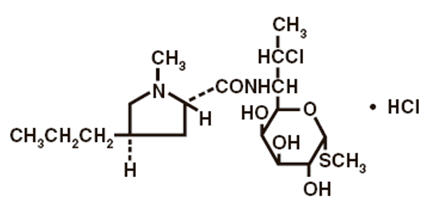
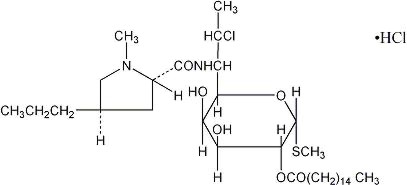
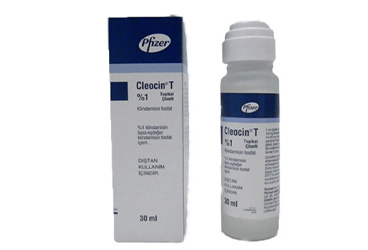
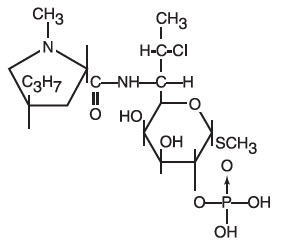
CLEOCIN T Topical Solution and CLEOCIN T Topical Lotion contain clindamycin phosphate, USP, at a concentration equivalent to 10 mg clindamycin per milliliter. CLEOCIN T Topical Gel contains clindamycin phosphate, USP, at a concentration equivalent to 10 mg clindamycin per gram. Each CLEOCIN T Topical Solution pledget applicator contains approximately 1 mL of topical solution. Clindamycin phosphate is a water soluble ester of the semi-synthetic antibacterial drug produced by a 7(S)-chloro-substitution of the 7(R)-hydroxyl group of the parent compound lincomycin. The solution contains isopropyl alcohol 50% v/v, propylene glycol, and water. The gel contains allantoin, carbomer 934P, methylparaben, polyethylene glycol 400, propylene glycol, sodium hydroxide, and purified water. The lotion contains cetostearyl alcohol (2.5%); glycerin; glyceryl stearate SE (with potassium monostearate); isostearyl alcohol (2.5%); methylparaben (0.3%); sodium lauroyl sarcosinate; stearic acid; and purified water. The structural formula is represented below: The chemical name for clindamycin phosphate is Methyl 7-chloro-6,7,8-trideoxy-6-(1-methyl- trans -4-propyl-L-2-pyrrolidinecarboxamido)-1-thio-L- threo -?-D- galacto -octopyranoside 2-(dihydrogen phosphate). Chemical Structure
CLEOCIN T Topical Solution, CLEOCIN T Topical Gel and CLEOCIN T Topical Lotion are indicated in the treatment of acne vulgaris. In view of the potential for diarrhea, bloody diarrhea and pseudomembranous colitis, the physician should consider whether other agents are more appropriate (see CONTRAINDICATIONS , WARNINGS and ADVERSE REACTIONS ).
Apply a thin film of, CLEOCIN T Topical Lotion, CLEOCIN T Topical Gel, CLEOCIN T Topical Solution, or use a CLEOCIN T Topical Solution pledget for the application of CLEOCIN T twice daily to affected area. More than one pledget may be used. Each pledget should be used only once and then be discarded. CLEOCIN T Topical Solution is flammable. Avoid fire, flame, and smoking during and immediately following application. Lotion: Shake well immediately before using. Pledget: Remove pledget from foil just before use. Do not use if the seal is broken. Discard after single use. Keep all liquid dosage forms in containers tightly closed.
CLEOCIN T Topical Solution, CLEOCIN T Topical Gel and CLEOCIN T Topical Lotion are contraindicated in individuals with a history of hypersensitivity to preparations containing clindamycin or lincomycin, a history of regional enteritis or ulcerative colitis, or a history of antibiotic-associated colitis.
In 18 clinical studies of various formulations of CLEOCIN T using placebo vehicle and/or active comparator drugs as controls, patients experienced a number of treatment emergent adverse dermatologic events [see table below]. Number of Patients Reporting Events Treatment Emergent Adverse Event Solution n=553(%) Gel n=148(%) Lotion n=160(%) # not recorded Burning 62 (11) 15 (10) 17 (11) Itching 36 ( 7) 15 (10) 17 (11) Burning/Itching 60 (11) # ( - ) # ( - ) Dryness 105 (19) 34 (23) 29 (18) Erythema 86 (16) 10 ( 7) 22 (14) Oiliness/Oily Skin 8 ( 1) 26 (18) 12 of 126 subjects (10) Peeling 61 (11) # ( - ) 11 ( 7) Orally and parenterally administered clindamycin has been associated with severe colitis which may end fatally. Cases of diarrhea, bloody diarrhea and colitis (including pseudomembranous colitis) have been reported as adverse reactions in patients treated with oral and parenteral formulations of clindamycin and rarely with topical clindamycin (see WARNINGS ). Abdominal pain, gastrointestinal disturbances, gram-negative folliculitis, eye pain and contact dermatitis have also been reported in association with the use of topical formulations of clindamycin.
Orally and parenterally administered clindamycin has been associated with severe colitis which may result in patient death. Use of the topical formulation of clindamycin results in systemic absorption from the skin surface. Diarrhea, bloody diarrhea, and colitis (including pseudomembranous colitis) have been reported with the use of topical and systemic clindamycin. Studies indicate a toxin(s) produced by clostridia is one primary cause of antibiotic-associated colitis. The colitis is usually characterized by severe persistent diarrhea and severe abdominal cramps and may be associated with the passage of blood and mucus. Endoscopic examination may reveal pseudomembranous colitis. Stool culture for Clostridioides difficile and stool assay for C. difficile toxin may be helpful diagnostically. When significant diarrhea occurs, the drug should be discontinued. Large bowel endoscopy should be considered to establish a definitive diagnosis in cases of severe diarrhea. Antiperistaltic agents such as opiates and diphenoxylate with atropine may prolong and/or worsen the condition. Vancomycin has been found to be effective in the treatment of antibiotic-associated pseudomembranous colitis produced by Clostridioides difficile . The usual adult dosage is 500 milligrams to 2 grams of vancomycin orally per day in three to four divided doses administered for 7 to 10 days. Cholestyramine or colestipol resins bind vancomycin in vitro . If both a resin and vancomycin are to be administered concurrently, it may be advisable to separate the time of administration of each drug. Diarrhea, colitis, and pseudomembranous colitis have been observed to begin up to several weeks following cessation of oral and parenteral therapy with clindamycin.
Clindamycin has been shown to have neuromuscular blocking properties that may enhance the action of other neuromuscular blocking agents. Therefore, it should be used with caution in patients receiving such agents.