İHALE DÜNYASI
İHALE DÜNYASI
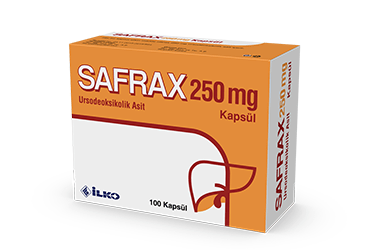
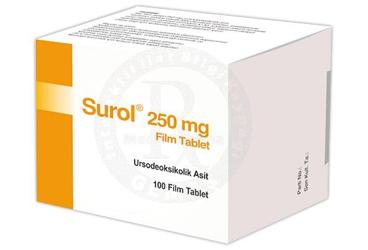
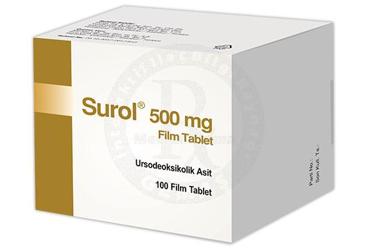
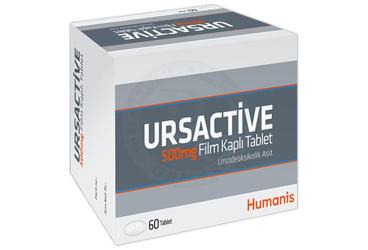
ReltoneTM is a bile acid available as 200 mg and 400 mg capsules suitable for oral administration. Ursodiol (ursodesoxycholic acid) is a naturally occurring bile acid found in small quantities in normal human bile and in the bile of certain other mammals. It is a bitter-tasting, white powder freely soluble in ethanol, methanol, and glacial acetic acid; sparingly soluble in chloroform; slightly soluble in ether; and insoluble in water. The chemical name for ursodiol is 3?,7?-Dihydroxy-5?-cholan-24-oic acid (C 24 H 40 O 4 ). Ursodiol has a molecular weight of 392.57. Its structure is shown below: Inactive Ingredients: Silicon dioxide, magnesium stearate, and corn starch. Gelatin capsules contain gelatin and titanium dioxide and are printed with edible black ink; additionally, the 400 mg capsule also contains FD&C Yellow #6 and D&C Yellow #10. Ursodioil Structural Formula
1. ReltoneTM is indicated for patients with radiolucent, noncalcified gallbladder stones < 20 mm in greatest diameter in whom elective cholecystectomy would be undertaken except for the presence of increased surgical risk due to systemic disease, advanced age, idiosyncratic reaction to general anesthesia, or for those patients who refuse surgery. Safety of use of ReltoneTM beyond 24 months is not established. 2. ReltoneTM is indicated for the prevention of gallstone formation in obese patients experiencing rapid weight loss.
Gallstone Dissolution The recommended dose for ReltoneTM treatment of radiolucent gallbladder stones is 8-10 mg/kg/day given in 2 or 3 divided doses. Ultrasound images of the gallbladder should be obtained at 6-month intervals for the first year of ReltoneTM therapy to monitor gallstone response. If gallstones appear to have dissolved, ReltoneTM therapy should be continued and dissolution confirmed on a repeat ultrasound examination within 1 to 3 months. Most patients who eventually achieve complete stone dissolution will show partial or complete dissolution at the first on-treatment reevaluation. If partial stone dissolution is not seen by 12 months of ReltoneTM therapy, the likelihood of success is greatly reduced. Gallstone Prevention The recommended dosage of ReltoneTM for gallstone prevention in patients undergoing rapid weight loss is 600 mg/day. | Gallstone Dissolution The recommended dose for ReltoneTM treatment of radiolucent gallbladder stones is 8-10 mg/kg/day given in 2 or 3 divided doses. Ultrasound images of the gallbladder should be obtained at 6-month intervals for the first year of ReltoneTM therapy to monitor gallstone response. If gallstones appear to have dissolved, ReltoneTM therapy should be continued and dissolution confirmed on a repeat ultrasound examination within 1 to 3 months. Most patients who eventually achieve complete stone dissolution will show partial or complete dissolution at the first on-treatment reevaluation. If partial stone dissolution is not seen by 12 months of ReltoneTM therapy, the likelihood of success is greatly reduced. | Gallstone Prevention The recommended dosage of ReltoneTM for gallstone prevention in patients undergoing rapid weight loss is 600 mg/day.
1. ReltoneTM will not dissolve calcified cholesterol stones, radiopaque stones, or radiolucent bile pigment stones. Hence, patients with such stones are not candidates for ReltoneTM therapy. 2. Patients with compelling reasons for cholecystectomy including unremitting acute cholecystitis, cholangitis, biliary obstruction, gallstone pancreatitis, or biliary-gastrointestinal fistula are not candidates for ReltoneTM therapy. 3. Allergy to bile acids.
To report SUSPECTED ADVERSE REACTIONS, contact Intra-Sana Laboratories at 1-702-980-8963 or FDA at 1-800-FDA-1088 or www.fda.gov/medwatch. The nature and frequency of adverse experiences were similar across all groups. The following tables provide comprehensive listings of the adverse experiences reported that occurred with a 5% incidence level: GALLSTONE DISSOLUTION Ursodiol Placebo 8-10 mg/kg/day (N=155) (N=159) N (%) N (%) Body as a Whole Allergy 8 (5.2) 7 (4.4) Chest Pain 5 (3.2) 10 (6.3) Fatigue 7 (4.5) 8 (5.0) Infection Viral 30 (19.4) 41 (25.8) Digestive System Abdominal Pain 67 (43.2) 70 (44.0) Cholecystitis 8 (5.2) 7 (4.4) Constipation 15 (9.7) 14 (8.8) Diarrhea 42 (27.1) 34 (21.4) Dyspepsia 26 (16.8) 18 (11.3) Flatulence 12 (7.7) 12 (7.5) Gastrointestinal Disorder 6 (3.9) 8 (5.0) Nausea 22 (14.2) 27 (17.0) Vomiting 15 (9.7) 11 (6.9) Musculoskeletal System Arthralgia 12 (7.7) 24 (15.1) Arthritis 9 (5.8) 4 (2.5) Back Pain 11 (7.1) 18 (11.3) Myalgia 9 (5.8) 9 (5.7) Nervous System Headache 28 (18.1) 34 (21.4) Insomnia 3 (1.9) 8 (5.0) Respiratory System Bronchitis 10 (6.5) 6 (3.8) Coughing 11 (7.1) 7 (4.4) Pharyngitis 13 (8.4) 5 (3.1) Rhinitis 8 (5.2) 11 (6.9) Sinusitis 17 (11.0) 18 (11.3) Upper Respiratory Tract Infection 24 (15.5) 21 (13.2) Urogenital System Urinary Tract Infection 10 (6.5) 7 (4.4) GALLSTONE PREVENTION Ursodiol Placebo 600 mg (N=322) (N=325) N (%) N (%) Body as a Whole Fatigue 25 (7.8) 33 (10.2) Infection Viral 29 (9.0) 29 (8.9) Influenza-like Symptoms 21 (6.5) 19 (5.8) Digestive System Abdominal Pain 20 (6.2) 39 (12.0) Constipation 85 (26.4) 72 (22.2) Diarrhea 81 (25.2) 68 (20.9) Flatulence 15 (4.7) 24 (7.4) Nausea 56 (17.4) 43 (13.2) Vomiting 44 (13.7) 44 (13.5) Musculoskeletal System Back Pain 38 (11.8) 21 (6.5) Musculoskeletal Pain 19 (5.9) 15 (4.6) Nervous System Dizziness 53 (16.5) 42 (12.9) Headache 80 (24.8) 78 (24.0) Respiratory System Pharyngitis 10 (3.1) 19 (5.8) Sinusitis 17 (5.3) 18 (5.5) Upper Respiratory Tract Infection 40 (12.4) 35 (10.8) Skin and Appendages Alopecia 17 (5.3) 8 (2.5) Urogenital System Dysmenorrhea 18 (5.6) 19 (5.8)
Bile acid sequestering agents such as cholestyramine and colestipol may interfere with the action of ursodiol by reducing its absorption. Aluminum-based antacids have been shown to adsorb bile acids in vitro and may be expected to interfere with ursodiol in the same manner as the bile acid sequestering agents. Estrogens, oral contraceptives, and clofibrate (and perhaps other lipid-lowering drugs) increase hepatic cholesterol secretion and encourage cholesterol gallstone formation and hence may counteract the effectiveness of ursodiol.