İHALE DÜNYASI
İHALE DÜNYASI
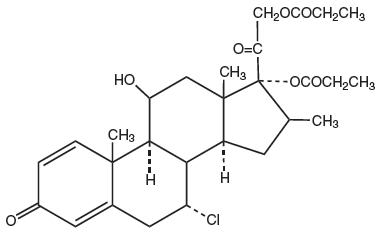
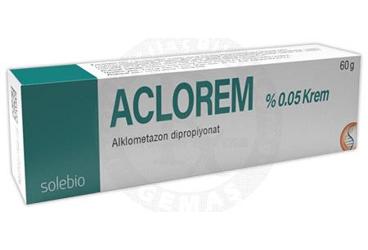
Alclometasone dipropionate cream contains alclometasone dipropionate (7?-chloro-11?,17,21-trihydroxy-16?-methylpregna-1,4-diene-3,20-dione 17,21-dipropionate), a synthetic corticosteroid for topical dermatologic use. The corticosteroids constitute a class of primarily synthetic steroids used topically as anti-inflammatory and antipruritic agents. Chemically, alclometasone dipropionate is C 28 H 37 ClO 7 . It has the following structural formula: Alclometasone dipropionate has the molecular weight of 521. It is a white powder, insoluble in water, slightly soluble in propylene glycol, and moderately soluble in hexylene glycol. Each gram of alclometasone dipropionate cream contains 0.5 mg of alclometasone dipropionate in a hydrophilic, emollient cream base of propylene glycol, white petrolatum, cetostearyl alcohol, glyceryl monostearate, PEG 100 stearate, ceteth-20, monobasic sodium phosphate, chlorocresol, phosphoric acid, and purified water. structure.jpg
Alclometasone dipropionate cream is a low to medium potency corticosteroid indicated for the relief of the inflammatory and pruritic manifestations of corticosteroid-responsive dermatoses. Alclometasone dipropionate cream may be used in pediatric patients 1 year of age or older, although the safety and efficacy of drug use for longer than 3 weeks have not been established (see PRECAUTIONS: Pediatric Use ). Since the safety and efficacy of alclometasone dipropionate cream have not been established in pediatric patients below 1 year of age, the use in this age-group is not recommended.
Apply a thin film of alclometasone dipropionate cream to the affected skin areas two or three times daily; massage gently until the medication disappears. Alclometasone dipropionate cream may be used in pediatric patients 1 year of age or older. Safety and effectiveness of alclometasone dipropionate cream in pediatric patients for more than 3 weeks of use have not been established. Use in pediatric patients under 1 year of age is not recommended. As with other corticosteroids, therapy should be discontinued when control is achieved. If no improvement is seen within 2 weeks, reassessment of diagnosis may be necessary. Alclometasone dipropionate cream should not be used with occlusive dressings unless directed by a physician. Alclometasone dipropionate cream should not be applied in the diaper area if the child still requires diapers or plastic pants as these garments may constitute occlusive dressing. Geriatric Use: In studies where geriatric patients (65 years of age or older, see PRECAUTIONS ) have been treated with alclometasone dipropionate cream, safety did not differ from that in younger patients; therefore, no dosage adjustment is recommended.
Alclometasone dipropionate cream is contraindicated in those patients with a history of hypersensitivity to any of the components in these preparations.
The following local adverse reactions have been reported with alclometasone dipropionate cream in approximately 2% of patients: itching, burning, erythema, dryness, irritation, and papular rashes. The following additional local adverse reactions have been reported infrequently with topical corticosteroids, but may occur more frequently with the use of occlusive dressings. These reactions are listed in approximate decreasing order of occurrence: folliculitis, acneiform eruptions, hypopigmentation, perioral dermatitis, allergic contact dermatitis, secondary infection, skin atrophy, striae, and miliaria.