İHALE DÜNYASI
İHALE DÜNYASI
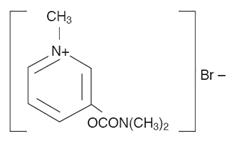
Pyridostigmine bromide is an orally active, reversible cholinesterase inhibitor. Its chemical name is: 3-hydroxy-1-methylpyridinium bromide dimethylcarbamate. CAS registration number is 101-26-8. Pyridostigmine bromide has a molecular formula of C 9 H 13 BrN 2 O 2 , a molecular weight of 261.12, and the following molecular structure: Pyridostigmine bromide tablets, USP contain 30 mg of pyridostigmine bromide for oral administration. The inactive ingredients included in the tablet formula are colloidal silicon dioxide, lactose anhydrous, and stearic acid or, alternatively; lactose, starch, silica precipitated, talc, and magnesium stearate. Chemical Structure
Pyridostigmine bromide is indicated for pretreatment against the lethal effects of soman nerve agent poisoning. Pyridostigmine bromide is intended for use in conjunction with protective garments, including a mask. At the first sign of nerve agent poisoning, pyridostigmine bromide should be stopped, and atropine and pralidoxime therapy started immediately. The evidence for the effectiveness of pyridostigmine bromide as pretreatment against soman-induced toxicity was derived from animal studies alone. [See Nonclinical Toxicology (13.2) .] FOR MILITARY MEDICAL USE ONLY Pyridostigmine bromide is a reversible cholinesterase inhibitor indicated for pretreatment against the lethal effects of soman nerve agent poisoning. ( 1 ) Pyridostigmine bromide is for use in conjunction with Protective garments, including a gas mask, and Immediate atropine and pralidoxime therapy at the first sign of nerve agent poisoning. ( 1 )
Pyridostigmine bromide is for use as a pretreatment for exposure to soman nerve agent. Pyridostigmine bromide alone will not protect against exposure to soman. The efficacy of pyridostigmine bromide is dependent upon the rapid use of atropine and pralidoxime (2-PAM) after soman exposure. The primary protection against exposure to chemical nerve agents consists of wearing protective garments including masks, hoods, and overgarments designed specifically for this use. Individuals must not rely solely upon pretreatment with pyridostigmine bromide and the antidotes atropine and pralidoxime (2-PAM) to provide complete protection from poisoning by soman nerve agent. Pyridostigmine bromide must not be taken after exposure to soman. If pyridostigmine bromide is taken immediately before exposure (eg, when the gas attack alarm is given) or at the same time as poisoning by soman, it is not expected to be effective and may exacerbate the effects of a sublethal exposure to soman. [See Clinical Pharmacology (12.2) .] The dose of pyridostigmine bromide is one 30-mg tablet every 8 hours, started at least several hours prior to exposure to soman. At the first sign of nerve agent poisoning (runny nose; watery eyes; small, pinpoint pupils; eye pain; blurred vision; drooling and excessive sweating; cough; chest tightness; rapid breathing; diarrhea; increased urination; confusion; drowsiness; weakness; headache; nausea, vomiting, and/or abdominal pain; slow or fast heart rate; and/or abnormally low or high blood pressure), pyridostigmine bromide should be discontinued and treatment with atropine and pralidoxime should be instituted immediately. There is no known advantage to taking pyridostigmine bromide just prior to or concurrent with soman exposure. According to the mechanism of action of pyridostigmine bromide [See Clinical Pharmacology (12.2) ], pyridostigmine bromide is effective when it is given sufficiently in advance of soman poisoning to provide a pool of protected enzyme. Therefore, it is expected that pyridostigmine bromide will not be effective if administered just prior to or during exposure to soman. The benefits and risks of use beyond 14 consecutive days have not been definitively established; therefore, continued use beyond 14 consecutive days should be evaluated in the context of the likelihood of exposure to soman nerve agent. One 30 mg tablet every 8 hours. ( 2 ) Start at least one (1) hour prior to exposure to Soman. ( 2 ) At the first sign of Soman poisoning pyridostigmine must be stopped, and atropine and 2-PAM be administered. ( 2 ) Use beyond 14 consecutive days should be evaluated in the context of the likelihood of Soman exposure. ( 2 )
Mechanical intestinal or urinary obstruction Known hypersensitivity to anticholinesterase agents Mechanical intestinal or urinary obstruction. ( 4 ) Known hypersensitivity to anticholinesterase agents. ( 4 )
The most common adverse reactions (? 3%) are diarrhea, abdominal pain, dysmenorrhea, and twitch. The adverse reactions to pyridostigmine bromide are typically of two varieties: muscarinic and nicotinic. Muscarinic adverse reactions include abdominal cramps, bloating, flatulence, diarrhea, emesis, increased peristalsis, nausea, hypersalivation, urinary incontinence, increased bronchial secretion, diaphoresis, miosis, and lacrimation. Nicotinic adverse reactions are comprised chiefly of muscle cramps, fasciculations, and weakness. Pyridostigmine bromide is a quaternary ammonium compound and does not readily cross the blood-brain barrier. Compared to the peripheral effects of pyridostigmine bromide, central nervous system manifestations are less frequent and less serious, primarily consisting of headache and vertigo, with minor and clinically insignificant changes in heart rate, blood pressure, and respiratory function. Extremely high doses may produce central nervous system (CNS) symptoms of agitation, restlessness, confusion, visual hallucinations, and paranoid delusions. Electrolyte abnormalities, possibly resulting from high serum bromide concentrations, also have been reported. Death may result from cardiac arrest or respiratory paralysis and pulmonary edema. As with any compound containing bromide, a skin rash may be observed in an occasional patient, which usually subsides promptly upon discontinuance of the medication. Most common adverse reactions ( ? 3% ) are diarrhea, abdominal pain, dysmenorrhea, and twitch. ( 6 ) To report SUSPECTED ADVERSE REACTIONS, contact U.S. Army Medical Materiel Development Activity at 301-619-0317 (fax 301-619-0197) or FDA at 1-800-FDA-1088 or www.fda.gov/medwatch. 6.1 Clinical Studies Experience In a controlled study of 90 healthy volunteers comparing pyridostigmine bromide 30 mg every 8 hours to placebo for 21 days, the following incidences of adverse reactions was reported. Table 1 Incidence of Adverse Reactions ? 2% Reaction: % Pyridostigmine N = 60 % Placebo N = 30 Diarrhea 7 0 Abdominal Pain 7 0 Dysmenorrhea 5 0 Twitch 3 0 Myalgia 2 0 Dry Skin 2 0 Urinary Frequency 2 0 Epistaxis 2 0 Amblyopia 2 0 Hypesthesia 2 0 Neck pain 2 0 Other less common adverse reactions seen during controlled and uncontrolled clinical trials for pyridostigmine include the following: Pulmonary: Exacerbation of acute bronchitis and asthma Cardiovascular: Elevated blood pressure, decreased heart rate (4-6 beats per minute), chest tightness Eyes: Change in vision, eye pain Neurologic: Headache, hypertonia, difficulty in concentrating, confusion, disturbed sleep, tingling of extremities, numbness of the tongue Skin: Increased sweating, rash, alopecia Digestive: Vomiting, borborygmi, nausea, bloating, flatulence General: Warm sensation, lethargy/drowsiness, depressed mood During safety studies at the recommended dosage, there were two reports of loss of consciousness, one of which also included urinary and fecal incontinence, stiffness of the upper torso and arms, post-syncopal skin pallor, post-syncopal confusion, and post-syncopal weakness (suggesting a seizure event).
At the first sign of Soman poisoning pyridostigmine must be stopped, atropine and 2-PAM must be administered immediately. ( 5.1 ) Use with caution in persons with increased risk of anticholinergic reactions, such as persons with bronchial asthma, chronic obstructive pulmonary disease, bradycardia, cardiac arrhythmias, beta blocker treatment (increased risk of anticholinergic reactions). ( 5.2 ) Use with caution in persons with bromide sensitivity. ( 5.3 ) In case of serious adverse reactions, advise personnel to temporarily discontinue pyridostigmine and seek immediate medical attention. ( 5.4 ) 5.1 Stopping Pyridostigmine Bromide and Using Atropine and 2-PAM in the Event of Soman Exposure See Dosage and Administration (2) and Boxed Caution statement (at beginning of Full Prescribing Information). - Pyridostigmine bromide pretreatment offers no benefit against the nerve agent soman unless the nerve agent antidotes atropine and pralidoxime (2-PAM) are administered once symptoms of poisoning appear. Pyridostigmine should be discontinued at the first sign of nerve agent poisoning (runny nose; watery eyes; small, pinpoint pupils; eye pain; blurred vision; drooling and excessive sweating; cough; chest tightness; rapid breathing; diarrhea; increased urination; confusion; drowsiness; weakness; headache; nausea, vomiting, and/or abdominal pain; slow or fast heart rate; and/or abnormally low or high blood pressure) because it may exacerbate the effects of a sub-lethal exposure to soman. 5.2 Individuals at Increased Risk of Anticholinergic Adverse Reactions Pyridostigmine bromide should be used with caution in persons with bronchial asthma, chronic obstructive pulmonary disease, bradycardia, or cardiac arrhythmias and, for example, in people being treated for hypertension or glaucoma with beta adrenergic receptor blockers. 5.3 Use in Bromide-Sensitive Individuals Caution should be taken when administering pyridostigmine bromide to individuals with known bromide sensitivity. The risks and benefits of administration must be weighed against the potential for rash or other adverse reactions in these individuals. [See Adverse Reactions (6) .] 5.4 Action in Case of Serious Adverse Reactions If personnel experience serious adverse reactions such as difficult breathing, severe dizziness, or loss of consciousness as a result of ingestion of pyridostigmine bromide, they should temporarily discontinue use of product and seek immediate medical attention. Personnel should report serious adverse events to their commander and responsible medical officer. --- BOXED WARNING: CAUTION: USE PYRIDOSTIGMINE BROMIDE AS PRETREATMENT ONLY. AFTER EXPOSURE TO SOMAN, USE ATROPINE AND 2-PAM. ALWAYS USE PROTECTIVE GARMENT(S). Pyridostigmine bromide is for use as a pretreatment for exposure to soman nerve agent. Pyridostigmine bromide alone will not protect against exposure to soman. The efficacy of pyridostigmine bromide is dependent upon the rapid use of atropine and pralidoxime (2 PAM) after soman exposure. [ See Dosage and Administration (2) . ] Primary protection against exposure to chemical nerve agents is the wearing of protective garments including masks, hoods, and overgarments designed specifically for this use. Individuals must not rely solely upon pretreatment with pyridostigmine bromide and on the antidotes atropine and pralidoxime (2-PAM) to provide complete protection from poisoning by soman nerve agent. Pyridostigmine bromide must not be taken after exposure to soman. If pyridostigmine bromide is taken immediately before exposure (e.g., when the gas attack alarm is given) or at the same time as poisoning by soman, it is not expected to be effective and may exacerbate the effects of a sub-lethal exposure to soman. [ See Clinical Pharmacology (12.2) . ] FOR MILITARY MEDICAL USE ONLY CAUTION: USE PYRIDOSTIGMINE BROMIDE AS PRETREATMENT ONLY. AFTER EXPOSURE TO SOMAN, USE ATROPINE AND 2-PAM. ALWAYS USE PROTECTIVE GARMENT(S) See full prescribing information for complete boxed warning. Pyridostigmine bromide is for use as a pretreatment for exposure to soman nerve agent. Pyridostigmine bromide alone will not protect against exposure to soman. The efficacy of pyridostigmine bromide is dependent upon the rapid use of atropine and pralidoxime (2-PAM) after soman exposure. Primary protection against exposure to chemical nerve agents is the wearing of protective garments. Pyridostigmine bromide must not be taken after exposure to soman. If taken immediately before soman exposure (e.g., when the gas attack alarm is given) or at the same time as poisoning by soman, it is not expected to be effective and may exacerbate the effects of a sub-lethal exposure to soman.
Mefloquine: Additive effect on gastrointestinal tract and atrial rate. ( 7.1 ) Anticholinesterase drugs for glaucoma treatment: Additive effects. ( 7.2 ) Narcotics: Exacerbation of bradycardia possible. ( 7.3 ) Depolarizing neuromuscular blocking agents: Increased effect. ( 7.4 ) Non-depolarizing neuromuscular blocking agents: Dose may need to be increased. ( 7.4 ) Aminoglycoside antibiotics, local and some general anesthetics, antiarrhythmic agents, and other drugs that interfere with neuromuscular transmission should be used cautiously, if at all. ( 7.4 ) Drugs converted to pantothenic acid (e.g., dexpanthenol): Additive effect. ( 7.5 ) 7.1 Mefloquine A potential interaction between the antimalarial drug mefloquine and pyridostigmine bromide exists through a possible additive effect on the gastrointestinal tract. The most common complaint about both drugs is loose bowels. It has been reported that simple additive effects on the atrial rate occur when mefloquine and pyridostigmine bromide are combined. 7.2 Other Anticholinesterase Drugs Because anticholinesterase drugs are often used in the treatment of glaucoma, the use of pyridostigmine bromide in such situations may have an additive effect that may cause or exacerbate problems with night vision. 7.3 Narcotics The bradycardia associated with the use of narcotics may exacerbate pyridostigmine-induced bradycardia. 7.4 Drugs that Interfere with Neuromuscular Transmission Particular caution should be observed in the administration of depolarizing neuromuscular blocking agents (eg, succinylcholine) during surgery since the degree of neuromuscular blockade that ensues may be enhanced by previously administered pyridostigmine bromide. Doses of non-depolarizing neuromuscular blocking agents (eg, pancuronium bromide) may need to be increased in patients previously administered pyridostigmine bromide. Atropine antagonizes the muscarinic effects of pyridostigmine bromide, and this interaction is utilized to counteract the muscarinic symptoms of pyridostigmine bromide toxicity. Anticholinesterase agents are sometimes effective in reversing neuromuscular block induced by aminoglycoside antibiotics. However, aminoglycoside antibiotics, local and some general anesthetics, antiarrhythmic agents, and other drugs that interfere with neuromuscular transmission should be used cautiously, if at all, during treatment with pyridostigmine bromide. 7.5 Drugs Converted to Pantothenic Acid (e.g., Dexpanthenol) Theoretically, drugs such as dexpanthenol, which are converted to pantothenic acid in vivo, may have additive effects with pyridostigmine bromide by increasing production of acetylcholine.