
İHALE DÜNYASI
İHALE DÜNYASI
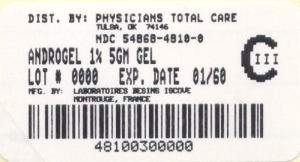
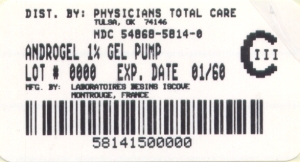
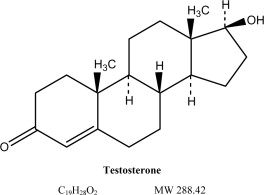

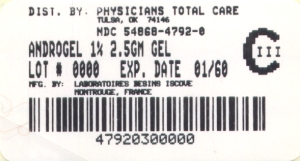
AndroGel (testosterone gel) 1% is a clear, colorless hydroalcoholic gel containing 1% testosterone. Topical administration of AndroGel 5 g, 7.5 g, or 10 g contains 50 mg, 75 mg, or 100 mg of testosterone, respectively, is to be applied daily to the skin's surface. Approximately 10% of the applied testosterone dose is absorbed across skin of average permeability during a 24-hour period. The active pharmacologic ingredient in AndroGel is testosterone. Testosterone USP is a white to practically white crystalline powder chemically described as 17-beta hydroxyandrost-4-en-3-one. The structural formula is: Inactive ingredients in AndroGel are carbomer 980, ethanol 67.0%, isopropyl myristate, purified water, and sodium hydroxide. These ingredients are not pharmacologically active. Structural Formula
AndroGel is an androgen indicated for replacement therapy in males for conditions associated with a deficiency or absence of endogenous testosterone: Primary Hypogonadism (Congenital or Acquired) ( 1.1 ) Hypogonadotropic Hypogonadism (Congenital or Acquired) ( 1.1 ) 1.1 Testosterone Replacement Therapy AndroGel, an androgen, is indicated for replacement therapy in adult males for conditions associated with a deficiency or absence of endogenous testosterone: Primary Hypogonadism (Congenital or Acquired) - testicular failure due to cryptorchidism, bilateral torsion, orchitis, vanishing testis syndrome, orchiectomy, Klinefelter's syndrome, chemotherapy, or toxic damage from alcohol or heavy metals. These men usually have low serum testosterone levels and gonadotropins (FSH, LH) above the normal range. Hypogonadotropic Hypogonadism (Congenital or Acquired) - idiopathic gonadotropin or luteinizing hormone-releasing hormone (LHRH) deficiency or pituitary-hypothalamic injury from tumors, trauma, or radiation. These men have low testosterone serum levels but have gonadotropins in the normal or low range.
Recommended starting dose: 5 g for adult males, applied topically once daily ( 2.1 ). Apply to clean, dry, intact skin of shoulders and upper arms and/or abdomen. Do NOT apply AndroGel to the genitals ( 2.1 ). Dose adjustment for adult males: If serum testosterone level is below the normal range, adjust dose from 5 g to 7.5 g and from 7.5 g to 10 g ( 2.3 ). 2.1 General Dosing The recommended starting dose of AndroGel is 5 g once daily (preferably in the morning) to clean, dry, intact skin of the shoulders and upper arms and/or abdomen (area of application should be limited to the area that will be covered by the patient's short sleeve t-shirt). AndroGel must not be applied to the genitals. AndroGel is supplied as either a pump or in individual packets. After applying the gel, the application site should be allowed to dry for a few minutes prior to dressing. Avoid fire, flames or smoking until the gel has dried since alcohol based products, including AndroGel, are flammable. Hands should be washed with soap and water after AndroGel has been applied. [see Warnings and Precautions ( 5.2 , 5.10 )]. 2.2 Administration Multi-Dose Pump Patients should be instructed to prime the pump before using it for the first time by fully depressing the pump mechanism (actuation) 3 times and discard this portion of the product to assure precise dose delivery. After the priming procedure, patients should completely depress the pump one time (actuation) for every 1.25 g (AndroGel Pump) of product required to achieve the daily prescribed dosage. The product may be delivered directly into the palm of the hand and then applied to the desired application sites, either one pump actuation at a time or upon completion of all pump actuations required for the daily dose. Alternatively, the product can be applied directly to the application sites. Application directly to the sites may prevent loss of product that may occur during transfer from the palm of the hand onto the application sites. Table 1 has specific dosing guidelines for adult males when the 75 g AndroGel Pump is used. Table 1: Specific Dosing Guidelines for Using the Adult Multi-Dose Pump Prescribed Daily Dose Number of Pump Actuations in 75 g Pump 5 g 4 (once daily) 7.5 g 6 (once daily) 10 g 8 (once daily) Packets The entire contents should be squeezed into the palm of the hand and immediately applied to the application sites. Alternately, patients may squeeze a portion of the gel from the packet into the palm of the hand and apply to application sites. Repeat until entire contents have been applied. 2.3 Dose Adjustment and Patient Assessments To ensure proper dosing, serum testosterone levels should be measured at intervals and replaced to serum testosterone levels in the normal range. If the serum testosterone concentration is below the normal range, the daily AndroGel dose may be increased from 5 g to 7.5 g and from 7.5 g to 10 g for adult males as instructed by the physician. If the serum testosterone concentration exceeds the normal range, the daily AndroGel dose may be decreased. If the serum testosterone concentration consistently exceeds the normal range at a daily dose of 5 g, AndroGel therapy should be discontinued. The following is general advice for treating and monitoring adult patients on AndroGel. No specific recommendations can be made. Prescribers should be aware that testosterone is contraindicated in men with known or suspected prostate cancer. Therefore, evaluation for prostate cancer prior to initiation of AndroGel therapy is appropriate [see Contraindications ( 4 )]. Based on results from controlled studies, serum PSA may rise when taking AndroGel. Therefore, periodic assessment of serum PSA is recommended in patients taking AndroGel [see Adverse Reactions ( 6.1 )]. Based on results from controlled studies, worsening of BPH may occur in patients taking AndroGel [see Adverse Reactions ( 6.1 )]. Therefore, periodic assessments for signs and symptoms of BPH are recommended in patients taking AndroGel. Hematocrit, serum lipid profile, and liver function test should be monitored in patients taking AndroGel [see Warnings and Precautions ( 5.9 )].
AndroGel should not be used in any of the following patients: Men with carcinoma of the breast or known or suspected carcinoma of the prostate [see Warnings and Precautions ( 5.1 ), Adverse Reactions ( 6.1 ), and Nonclinical Toxicology ( 13.1 )] . Women who are or may become pregnant, or who are breastfeeding. AndroGel can cause fetal harm when administered to a pregnant woman. AndroGel may cause serious adverse reactions in nursing infants. Exposure of a female fetus or nursing infant to androgens may result in varying degrees of virilization. Pregnant women or those who may become pregnant need to be aware of the potential for transfer of testosterone from men treated with AndroGel [see Warnings and Precautions ( 5.2 ) and Use in Specific Populations ( 8.1 , 8.3 )] . Men with known hypersensitivity to any of its ingredients, including alcohol and soy products. Men with carcinoma of the breast or known or suspected prostate cancer ( 4 , 5.1 ). Pregnant or breast feeding women. Testosterone may cause fetal harm ( 4 ).
Most common adverse reactions (incidence ? 5%) are acne, application site reaction, abnormal lab tests, and prostatic disorders ( 6 ). Cases of testosterone secondary exposure resulting in virilization of children have been reported ( 6.2 ). Reported signs and symptoms have included enlargement of the penis or clitoris, premature development of pubic hair, increased erections and libido, aggressive behavior, and advanced bone age. In most cases with a reported outcome, these signs and symptoms were reported to have regressed with removal of the exposure to testosterone gel ( 5.2 , 6.2 ). In a few cases, however, enlarged genitalia did not fully return to age-appropriate normal size and bone age remained modestly greater than chronological age. To report SUSPECTED ADVERSE REACTIONS, contact Abbott Laboratories at 1-800-241-1643 or FDA at 1-800-FDA-1088 or www.fda.gov/medwatch . 6.1 Clinical Trial Experience Because clinical trials are conducted under widely varying conditions, adverse reaction rates observed in the clinical trials of a drug cannot be directly compared to rates in the clinical trials of another drug and may not reflect the rates observed in practice. Clinical Trials in Hypogonadal Men Table 2 shows the incidence of all adverse events judged by the investigator to be at least possibly related to treatment with AndroGel and reported by >1% of patients in a 180 Day, Phase 3 study. Table 2: Adverse Events Possibly, Probably or Definitely Related to Use of AndroGel in the 180-Day Controlled Clinical Trial * Lab test abnormal occurred in nine patients with one or more of the following events reported: elevated hemoglobin or hematocrit, hyperlipidemia, elevated triglycerides, hypokalemia, decreased HDL, elevated glucose, elevated creatinine, elevated total bilirubin. ** Prostate disorders included five patients with enlarged prostate, one with BPH, and one with elevated PSA results. *** Testis disorders were reported in two patients: one with left varicocele and one with slight sensitivity of left testis. Adverse Event Dose of AndroGel 5 g 7.5 g 10 g N = 77 N = 40 N = 78 Acne 1% 3% 8% Alopecia 1% 0% 1% Application Site Reaction 5% 3% 4% Asthenia 0% 3% 1% Depression 1% 0% 1% Emotional Lability 0% 3% 3% Gynecomastia 1% 0% 3% Headache 4% 3% 0% Hypertension 3% 0% 3% Lab Test Abnormal* 6% 5% 3% Libido Decreased 0% 3% 1% Nervousness 0% 3% 1% Pain Breast 1% 3% 1% Prostate Disorder** 3% 3% 5% Testis Disorder*** 3% 0% 0% Other less common adverse reactions, reported in fewer than 1% of patients included: amnesia, anxiety, discolored hair, dizziness, dry skin, hirsutism, hostility, impaired urination, paresthesia, penis disorder, peripheral edema, sweating, and vasodilation. In this 180 day clinical trial, skin reactions at the site of application were reported with AndroGel, but none was severe enough to require treatment or discontinuation of drug. Six patients (4%) in this trial had adverse events that led to discontinuation of AndroGel. These events included: cerebral hemorrhage, convulsion (neither of which were considered related to AndroGel administration), depression, sadness, memory loss, elevated prostate specific antigen, and hypertension. No AndroGel patient discontinued due to skin reactions. In a separate uncontrolled pharmacokinetic study of 10 patients, two had adverse events associated with AndroGel; these were asthenia and depression in one patient and increased libido and hyperkinesia in the other. In a 3 year, flexible dose, extension study, the incidence of all adverse events judged by the investigator to be at least possibly related to treatment with AndroGel and reported by > 1% of patients is shown in Table 3 . Table 3: Adverse Events Possibly, Probably or Definitely Related to Use of AndroGel in the 3 Year, Flexible Dose, Extension Study Adverse Event Percent of Subjects (N = 162) + Lab test abnormal occurred in 15 patients with one or more of the following events reported: elevated AST, elevated ALT, elevated testosterone, elevated hemoglobin or hematocrit, elevated cholesterol, elevated cholesterol/LDL ratio, elevated triglycerides, elevated HDL, elevated serum creatinine. * Urinary symptoms included nocturia, urinary hesitancy, urinary incontinence, urinary retention, urinary urgency and weak urinary stream. ** Testis disorders included three patients. There were two with a non-palpable testis and one with slight right testicular tenderness. Lab Test Abnormal+ 9.3 Skin dry 1.9 Application Site Reaction 5.6 Acne 3.1 Pruritus 1.9 Enlarged Prostate 11.7 Carcinoma of Prostate 1.2 Urinary Symptoms* 3.7 Testis Disorder** 1.9 Gynecomastia 2.5 Anemia 2.5 Two patients reported serious adverse events considered possibly related to treatment: deep vein thrombosis (DVT) and prostate disorder requiring a transurethral resection of the prostate (TURP). Discontinuation for adverse events in this study included: two patients with application site reactions, one with kidney failure, and five with prostate disorders (including increase in serum PSA in 4 patients, and increase in PSA with prostate enlargement in a fifth patient). Increases in Serum PSA Observed in Clinical Trials of Hypogonadal Men During the initial 6-month study, the mean change in PSA values had a statistically significant increase of 0.26 ng/mL. Serum PSA was measured every 6 months thereafter in the 162 hypogonadal men on AndroGel in the 3-year extension study. There was no additional statistically significant increase observed in mean PSA from 6 months through 36 months. However, there were increases in serum PSA observed in approximately 18% of individual patients. The overall mean change from baseline in serum PSA values for the entire group from month 6 to 36 was 0.11 ng/mL. Twenty-nine patients (18%) met the per-protocol criterion for increase in serum PSA, defined as >2X the baseline or any single serum PSA >6 ng/mL. Most of these (25/29) met this criterion by at least doubling of their PSA from baseline. In most cases where PSA at least doubled (22/25), the maximum serum PSA value was still <2 ng/mL. The first occurrence of a pre-specified, post-baseline increase in serum PSA was seen at or prior to Month 12 in most of the patients who met this criterion (23 of 29; 79%). Four patients met this criterion by having a serum PSA >6 ng/mL and in these, maximum serum PSA values were 6.2 ng/mL, 6.6 ng/mL, 6.7 ng/mL, and 10.7 ng/mL. In two of these patients, prostate cancer was detected on biopsy. The first patient's PSA levels were 4.7 ng/mL and 6.2 ng/mL at baseline and at Month 6/Final, respectively. The second patient's PSA levels were 4.2 ng/mL, 5.2 ng/mL, 5.8 ng/mL, and 6.6 ng/mL at baseline, Month 6, Month 12, and Final, respectively. 6.2 Postmarketing Experience The following adverse reactions have been identified during post approval use of AndroGel. Because the reactions are reported voluntarily from a population of uncertain size, it is not always possible to reliably estimate their frequency or establish a causal relationship to drug exposure. Secondary Exposure to Testosterone in Children Cases of secondary exposure to testosterone resulting in virilization of children have been reported in postmarket surveillance. Signs and symptoms of these reported cases have included enlargement of the clitoris (with surgical intervention) or the penis, development of pubic hair, increased erections and libido, aggressive behavior, and advanced bone age. In most cases with a reported outcome, these signs and symptoms were reported to have regressed with removal of the testosterone gel exposure. In a few cases, however, enlarged genitalia did not fully return to age appropriate normal size, and bone age remained modestly greater than chronological age. In some of the cases, direct contact with the sites of application on the skin of men using testosterone gel was reported. In at least one reported case, the reporter considered the possibility of secondary exposure from items such as the testosterone gel user's shirts and/or other fabric, such as towels and sheets [see Warnings and Precautions ( 5.2 )] . Hypogonadal Men Table 4 includes adverse reactions that have been identified postmarketing. Table 4: Adverse Drug Reactions from Postmarketing Experience of AndroGel by MedDRA System Organ Class Blood and the lymphatic system disorders: Elevated Hgb, Hct (polycythemia) Endocrine disorders: Hirsutism Gastrointestinal disorders: Nausea General disorders and administration site reactions: Asthenia, edema, malaise Genitourinary disorders: Impaired urination Hepatobiliary disorders: Abnormal liver function tests (e.g. transaminases, elevated GGTP, bilirubin) Investigations: Elevated PSA, electrolyte changes (nitrogen, calcium, potassium, phosphorus, sodium), changes in serum lipids (hyperlipidemia, elevated triglycerides, decreased HDL), impaired glucose tolerance, fluctuating testosterone levels, weight increase Neoplasms benign, malignant and unspecified (cysts and polyps): Prostate cancer Nervous system: Headache, dizziness, sleep apnea, insomnia Psychiatric disorders: Depression, emotional lability, decreased libido, nervousness, hostility, amnesia, anxiety Reproductive system and breast disorders: Gynecomastia, mastodynia, prostatic enlargement, testicular atrophy, oligospermia, priapism (frequent or prolonged erections) Respiratory disorders: Dyspnea Skin and subcutaneous tissue disorders: Acne, alopecia, application site reaction (pruritus, dry skin, erythema, rash, discolored hair, paresthesia), sweating Vascular disorders: Hypertension, vasodilation (hot flushes)
Patients with benign prostatic hyperplasia (BPH) treated with androgens are at an increased risk for worsening of signs and symptoms of BPH ( 5.1 ). Secondary exposure to testosterone in children and women can occur with use of testosterone gel ( 5.2 ). Cases of secondary exposure resulting in virilization of children have been reported ( 6.2 ). Children and women should avoid contact with unwashed or unclothed application site(s) in men using testosterone gel. To minimize the potential for transfer to others, patients using AndroGel should apply the product as directed and strictly adhere to the following ( 5.2 ): Wash hands with soap and water after application. Cover the application site with clothing after the gel has dried. Wash the application site thoroughly with soap and water prior to any situation where skin-to-skin contact of the application site with another person is anticipated. Signs of virilization in children and women and the possibility of secondary exposure to testosterone gel should be brought to the attention of the healthcare provider. Testosterone gel should be promptly discontinued until the cause of the virilization is identified ( 5.2 ). Due to lack of controlled evaluations in women and potential virilizing effects, AndroGel is not indicated for use in women ( 5.3 ). Exogenous administration of androgens may lead to azoospermia ( 5.4 ). Edema may be a complication in patients with preexisting cardiac, renal, or hepatic disease ( 5.6 , 6.2 ). Gynecomastia, enlargement of breast, may develop ( 5.7 ). Sleep apnea may occur in those with risk factors ( 5.8 ). Monitor serum testosterone, prostatic specific antigen, hemoglobin, hematocrit, liver function test, and lipid levels periodically ( 2.3 , 5.1 , 5.9 ). Alcohol-based gels are flammable until dry ( 5.10 ). 5.1 Benign Prostatic Hyperplasia and Potential Risk of Prostate Cancer Patients with BPH treated with androgens are at an increased risk for worsening of signs and symptoms of BPH. Patients treated with androgens may be at increased risk for prostate cancer. Evaluation of the patient for prostate cancer prior to initiating and during treatment with androgens is appropriate. Increases in serum PSA from baseline values were seen in approximately 18% of individuals in an open label study of 162 hypogonadal men treated with AndroGel for up to 42 months. Most of these increases were seen within the first year of therapy [see Contraindications ( 4 ), Warnings and Precautions ( 5.9 ), Adverse Reactions ( 6.1 ), and Nonclinical Toxicology ( 13.1 )]. 5.2 Potential for Secondary Exposure to Testosterone Secondary exposure to testosterone in children and women can occur with testosterone gel use in men [see Clinical Studies ( 14.3 )] . Cases of secondary exposure resulting in virilization of children have been reported in postmarketing surveillance. Signs and symptoms have included enlargement of the penis or clitoris, development of pubic hair, increased erections and libido, aggressive behavior, and advanced bone age. In most cases, these signs and symptoms regressed with removal of the exposure to testosterone gel. In a few cases, however, enlarged genitalia did not fully return to age-appropriate normal size, and bone age remained modestly greater than chronological age. The risk of transfer was increased in some of these cases by not adhering to precautions for the appropriate use of testosterone gel. Inappropriate changes in genital size or development of pubic hair or libido in children, or changes in body hair distribution, significant increase in acne, or other signs of virilization in adult women should be brought to the attention of a physician and the possibility of secondary exposure to testosterone gel should also be brought to the attention of a physician. Testosterone gel should be promptly discontinued until the cause of virilization has been identified. Testosterone may cause fetal harm in a pregnant woman due to virilization of a female fetus [see Use in Specific Populations ( 8.1 )]. Strict adherence to the following precautions is advised in order to minimize the potential for secondary exposure to testosterone from AndroGel-treated skin: Children and women should avoid contact with unwashed or unclothed application site(s) of men using testosterone gel. AndroGel should only be applied to the shoulders, upper arms, and/or abdomen (area of application should be limited to the area that will be covered by the patient's short sleeve t-shirt). Patients should wash their hands immediately with soap and water after applying AndroGel. Patients should cover the application site(s) with clothing (e.g., a shirt) after the gel has dried. Prior to any situation in which skin-to-skin contact with the application site is anticipated, patients should wash the application site(s) thoroughly with soap and water to remove any testosterone residue. In the event that unwashed or unclothed skin to which AndroGel has been applied comes in direct contact with the skin of another person, the general area of contact on the other person should be washed with soap and water as soon as possible. Studies show that residual testosterone is removed from the skin surface by washing with soap and water. 5.3 Use in Women Due to lack of controlled evaluations in women and potential virilizing effects, AndroGel is not indicated for use in women [see Use in Specific Populations ( 8.1 , 8.3 )]. 5.4 Potential for Adverse Effects on Spermatogenesis At large doses of exogenous androgens, spermatogenesis may be suppressed through feedback inhibition of pituitary follicle-stimulating hormone (FSH) which could possibly lead to adverse effects on semen parameters including sperm count. 5.5 Hepatic Adverse Effects Prolonged use of high doses of orally active 17-alpha-alkyl androgens (e.g., methyltestosterone) has been associated with serious hepatic adverse effects (peliosis hepatis, hepatic neoplasms, cholestatic hepatitis, and jaundice). Peliosis hepatis can be a life-threatening or fatal complication. Long-term therapy with intramuscular testosterone enanthate has produced multiple hepatic adenomas. AndroGel is not known to produce these adverse effects. There are rare reports of hepatocellular carcinoma in patients receiving long-term oral therapy with androgens in high doses. Withdrawal of the drugs did not lead to regression of the tumors in all cases. 5.6 Edema Drugs in the androgen class may promote retention of sodium and water. Edema with or without congestive heart failure may be a serious complication in patients with preexisting cardiac, renal, or hepatic disease [see Adverse Reactions ( 6.2 )]. 5.7 Gynecomastia Gynecomastia may develop and may persist in patients being treated with androgens, including AndroGel, for hypogonadism. 5.8 Sleep Apnea The treatment of hypogonadal men with testosterone products may potentiate sleep apnea in some patients, especially those with risk factors such as obesity or chronic lung diseases [see Adverse Reactions ( 6.2 )] . 5.9 Laboratory Tests Increases in hematocrit, reflective of increases in red blood cell mass, may require lowering or discontinuation of testosterone. Increase in red blood cell mass may increase the risk for a thromboembolic event. Changes in serum lipid profile may require dose adjustment or discontinuation of testosterone therapy. Androgens may decrease levels of thyroxin-binding globulin, resulting in decreased total T4 serum levels and increased resin uptake of T3 and T4. Free thyroid hormone levels remain unchanged, however, and there is no clinical evidence of thyroid dysfunction. Androgens should be used with caution in cancer patients at risk of hypercalcemia (and associated hypercalciuria). Regular monitoring of serum calcium concentrations is recommended in these patients. 5.10 Flammable Until Dry Alcohol Based Products including AndroGel are flammable; therefore avoid fire, flame or smoking until the gel has dried. --- BOXED WARNING: WARNING: SECONDARY EXPOSURE TO TESTOSTERONE Virilization has been reported in children who were secondarily exposed to testosterone gel [see Warnings and Precautions ( 5.2 ) and Adverse Reactions ( 6.2 )] . Children should avoid contact with unwashed or unclothed application sites in men using testosterone gel [see Warnings and Precautions ( 5.2 )] . Healthcare providers should advise patients to strictly adhere to recommended instructions for use [see Warnings and Precautions ( 5.2 ) ] . WARNING: SECONDARY EXPOSURE TO TESTOSTERONE Virilization has been reported in children who were secondarily exposed to testosterone gel ( 5.2 , 6.2 ). Children should avoid contact with unwashed or unclothed application sites in men using testosterone gel ( 5.2 ). Healthcare providers should advise patients to strictly adhere to recommended instructions for use ( 5.2 ).
Androgens may decrease blood glucose, and therefore insulin requirement in diabetic patients ( 7.1 ). Use of testosterone with ACTH or corticosteroids may result in increased fluid retention. Use with caution, particularly in patients with cardiac, renal, or hepatic disease ( 7.2 ). Changes in anticoagulant activity may be seen with androgens. More frequent monitoring of INR and prothrombin time is recommended ( 7.3 ). 7.1 Insulin Changes in insulin sensitivity or glycemic control may occur in patients treated with androgens. In diabetic patients, the metabolic effects of androgens may decrease blood glucose and, therefore, insulin requirements. 7.2 Corticosteroids The concurrent use of testosterone with ACTH or corticosteroids may result in increased fluid retention and should be monitored cautiously, particularly in patients with cardiac, renal or hepatic disease. 7.3 Oral Anticoagulants Changes in anticoagulant activity may be seen with androgens. More frequent monitoring of INR and prothrombin time are recommended in patients taking anticoagulants, especially at the initiation and termination of androgen therapy.