
İHALE DÜNYASI
İHALE DÜNYASI
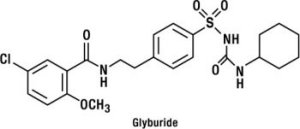
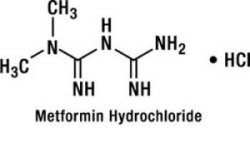
GLUCOVANCE (R) (Glyburide and Metformin HCl) Tablets contain 2 oral antihyperglycemic drugs used in the management of type 2 diabetes, glyburide and metformin hydrochloride. Glyburide is an oral antihyperglycemic drug of the sulfonylurea class. The chemical name for glyburide is 1-[[ p -[2-(5-chloro- o -anisamido)ethyl]phenyl]sulfonyl]-3-cyclo-hexylurea. Glyburide is a white to off-white crystalline compound with a molecular formula of C 23 H 28 ClN 3 O 5 S and a molecular weight of 494.01. The glyburide used in GLUCOVANCE has a particle size distribution of 25% undersize value not more than 6 µm, 50% undersize value not more than 7 to 10 µm, and 75% undersize value not more than 21 µm. The structural formula is represented below. Glyburide Chemical Structure Metformin hydrochloride is an oral antihyperglycemic drug used in the management of type 2 diabetes. Metformin hydrochloride ( N,N -dimethylimidodicarbonimidic diamide monohydrochloride) is not chemically or pharmacologically related to sulfonylureas, thiazolidinediones, or ?-glucosidase inhibitors. It is a white to off-white crystalline compound with a molecular formula of C 4 H 12 ClN 5 (monohydrochloride) and a molecular weight of 165.63. Metformin hydrochloride is freely soluble in water and is practically insoluble in acetone, ether, and chloroform. The pK a of metformin is 12.4. The pH of a 1% aqueous solution of metformin hydrochloride is 6.68. The structural formula is as shown: Metformin HCl Chemical Structure GLUCOVANCE is available for oral administration in tablets containing 1.25 mg glyburide with 250 mg metformin hydrochloride, 2.5 mg glyburide with 500 mg metformin hydrochloride, and 5 mg glyburide with 500 mg metformin hydrochloride. In addition, each tablet contains the following inactive ingredients: microcrystalline cellulose, povidone, croscarmellose sodium, and magnesium stearate. The tablets are film coated, which provides color differentiation.
GLUCOVANCE (Glyburide and Metformin HCl) Tablets is indicated as an adjunct to diet and exercise to improve glycemic control in adults with type 2 diabetes mellitus.
General Considerations Dosage of GLUCOVANCE must be individualized on the basis of both effectiveness and tolerance while not exceeding the maximum recommended daily dose of 20 mg glyburide/2000 mg metformin. GLUCOVANCE should be given with meals and should be initiated at a low dose, with gradual dose escalation as described below, in order to avoid hypoglycemia (largely due to glyburide), reduce GI side effects (largely due to metformin), and permit determination of the minimum effective dose for adequate control of blood glucose for the individual patient. With initial treatment and during dose titration, appropriate blood glucose monitoring should be used to determine the therapeutic response to GLUCOVANCE and to identify the minimum effective dose for the patient. Thereafter, HbA 1c should be measured at intervals of approximately 3 months to assess the effectiveness of therapy. The therapeutic goal in all patients with type 2 diabetes is to decrease FPG, PPG, and HbA 1c to normal or as near normal as possible. Ideally, the response to therapy should be evaluated using HbA 1c (glycosylated hemoglobin), which is a better indicator of long-term glycemic control than FPG alone. No studies have been performed specifically examining the safety and efficacy of switching to GLUCOVANCE therapy in patients taking concomitant glyburide (or other sulfonylurea) plus metformin. Changes in glycemic control may occur in such patients, with either hyperglycemia or hypoglycemia possible. Any change in therapy of type 2 diabetes should be undertaken with care and appropriate monitoring. GLUCOVANCE in Patients with Inadequate Glycemic Control on Diet and Exercise Recommended starting dose: 1.25 mg/250 mg once or twice daily with meals. For patients with type 2 diabetes whose hyperglycemia cannot be satisfactorily managed with diet and exercise alone, the recommended starting dose of GLUCOVANCE is 1.25 mg/250 mg once a day with a meal. As initial therapy in patients with baseline HbA 1c >9% or an FPG >200 mg/dL, a starting dose of GLUCOVANCE 1.25 mg/250 mg twice daily with the morning and evening meals may be used. Dosage increases should be made in increments of 1.25 mg/250 mg per day every 2 weeks up to the minimum effective dose necessary to achieve adequate control of blood glucose. In clinical trials of GLUCOVANCE as initial therapy, there was no experience with total daily doses >10 mg/2000 mg per day. GLUCOVANCE 5 mg/500 mg should not be used as initial therapy due to an increased risk of hypoglycemia. GLUCOVANCE Use in Patients with Inadequate Glycemic Control on a Sulfonylurea and/or Metformin Recommended starting dose: 2.5 mg/500 mg or 5 mg/500 mg twice daily with meals. For patients not adequately controlled on either glyburide (or another sulfonylurea) or metformin alone, the recommended starting dose of GLUCOVANCE is 2.5 mg/500 mg or 5 mg/500 mg twice daily with the morning and evening meals. In order to avoid hypoglycemia, the starting dose of GLUCOVANCE should not exceed the daily doses of glyburide or metformin already being taken. The daily dose should be titrated in increments of no more than 5 mg/500 mg up to the minimum effective dose to achieve adequate control of blood glucose or to a maximum dose of 20 mg/2000 mg per day. For patients previously treated with combination therapy of glyburide (or another sulfonylurea) plus metformin, if switched to GLUCOVANCE, the starting dose should not exceed the daily dose of glyburide (or equivalent dose of another sulfonylurea) and metformin already being taken. Patients should be monitored closely for signs and symptoms of hypoglycemia following such a switch and the dose of GLUCOVANCE should be titrated as described above to achieve adequate control of blood glucose. Addition of Thiazolidinediones to GLUCOVANCE Therapy For patients not adequately controlled on GLUCOVANCE, a thiazolidinedione can be added to GLUCOVANCE therapy. When a thiazolidinedione is added to GLUCOVANCE therapy, the current dose of GLUCOVANCE can be continued and the thiazolidinedione initiated at its recommended starting dose. For patients needing additional glycemic control, the dose of the thiazolidinedione can be increased based on its recommended titration schedule. The increased glycemic control attainable with GLUCOVANCE plus a thiazolidinedione may increase the potential for hypoglycemia at any time of day. In patients who develop hypoglycemia when receiving GLUCOVANCE and a thiazolidinedione, consideration should be given to reducing the dose of the glyburide component of GLUCOVANCE. As clinically warranted, adjustment of the dosages of the other components of the antidiabetic regimen should also be considered. Specific Patient Populations GLUCOVANCE is not recommended for use during pregnancy. The initial and maintenance dosing of GLUCOVANCE should be conservative in patients with advanced age, due to the potential for decreased renal function in this population. Any dosage adjustment requires a careful assessment of renal function. Generally, elderly, debilitated, and malnourished patients should not be titrated to the maximum dose of GLUCOVANCE to avoid the risk of hypoglycemia. Monitoring of renal function is necessary to aid in prevention of metformin-associated lactic acidosis, particularly in the elderly. (See WARNINGS .)
GLUCOVANCE is contraindicated in patients with: Renal disease or renal dysfunction (eg, as suggested by serum creatinine levels ?1.5 mg/dL [males], ?1.4 mg/dL [females], or abnormal creatinine clearance) which may also result from conditions such as cardiovascular collapse (shock), acute myocardial infarction, and septicemia (see WARNINGS and PRECAUTIONS ). Known hypersensitivity to metformin hydrochloride or glyburide. Acute or chronic metabolic acidosis, including diabetic ketoacidosis, with or without coma. Diabetic ketoacidosis should be treated with insulin. GLUCOVANCE should be temporarily discontinued in patients undergoing radiologic studies involving intravascular administration of iodinated contrast materials, because use of such products may result in acute alteration of renal function. (See also PRECAUTIONS .)
GLUCOVANCE In double-blind clinical trials involving GLUCOVANCE as initial therapy or as second-line therapy, a total of 642 patients received GLUCOVANCE, 312 received metformin therapy, 324 received glyburide therapy, and 161 received placebo. The percent of patients reporting events and types of adverse events reported in clinical trials of GLUCOVANCE (all strengths) as initial therapy and second-line therapy are listed in Table 6 . Table 6: Most Common Clinical Adverse Events (>5%) in Double-Blind Clinical Studies of GLUCOVANCE Used as Initial or Second-Line Therapy Adverse Event Number (%) of Patients Placebo N=161 Glyburide N=324 Metformin N=312 GLUCOVANCE N=642 Upper respiratory infection 22 (13.7) 57 (17.6) 51 (16.3) 111 (17.3) Diarrhea 9 (5.6) 20 (6.2) 64 (20.5) 109 (17.0) Headache 17 (10.6) 37 (11.4) 29 (9.3) 57 (8.9) Nausea/vomiting 10 (6.2) 17 (5.2) 38 (12.2) 49 (7.6) Abdominal pain 6 (3.7) 10 (3.1) 25 (8.0) 44 (6.9) Dizziness 7 (4.3) 18 (5.6) 12 (3.8) 35 (5.5) In a controlled clinical trial of rosiglitazone versus placebo in patients treated with GLUCOVANCE (n=365), 181 patients received GLUCOVANCE with rosiglitazone and 184 received GLUCOVANCE with placebo. Edema was reported in 7.7% (14/181) of patients treated with rosiglitazone compared to 2.2% (4/184) of patients treated with placebo. A mean weight gain of 3 kg was observed in rosiglitazone-treated patients. Disulfiram-like reactions have very rarely been reported in patients treated with glyburide tablets. Hypoglycemia In controlled clinical trials of GLUCOVANCE there were no hypoglycemic episodes requiring medical intervention and/or pharmacologic therapy; all events were managed by the patients. The incidence of reported symptoms of hypoglycemia (such as dizziness, shakiness, sweating, and hunger), in the initial therapy trial of GLUCOVANCE are summarized in Table 7 . The frequency of hypoglycemic symptoms in patients treated with GLUCOVANCE 1.25 mg/250 mg was highest in patients with a baseline HbA 1c <7%, lower in those with a baseline HbA 1c of between 7% and 8%, and was comparable to placebo and metformin in those with a baseline HbA 1c >8%. For patients with a baseline HbA 1c between 8% and 11% treated with GLUCOVANCE 2.5 mg/500 mg as initial therapy, the frequency of hypoglycemic symptoms was 30% to 35%. As second-line therapy in patients inadequately controlled on sulfonylurea alone, approximately 6.8% of all patients treated with GLUCOVANCE experienced hypoglycemic symptoms. When rosiglitazone was added to GLUCOVANCE therapy, 22% of patients reported 1 or more fingerstick glucose measurements ?50 mg/dL compared to 3.3% of placebo-treated patients. All hypoglycemic events were managed by the patients and only 1 patient discontinued for hypoglycemia. (See PRECAUTIONS: General: Addition of Thiazolidinediones to GLUCOVANCE Therapy .) Gastrointestinal Reactions The incidence of gastrointestinal (GI) side effects (diarrhea, nausea/vomiting, and abdominal pain) in the initial therapy trial are summarized in Table 7 . Across all GLUCOVANCE trials, GI symptoms were the most common adverse events with GLUCOVANCE and were more frequent at higher dose levels. In controlled trials, <2% of patients discontinued GLUCOVANCE therapy due to GI adverse events. Table 7: Treatment Emergent Symptoms of Hypoglycemia or Gastrointestinal Adverse Events in a Placebo- and Active-Controlled Trial of GLUCOVANCE as Initial Therapy Variable Placebo N=161 Glyburide Tablets N=160 Metformin Tablets N=159 GLUCOVANCE 1.25 mg/250 mg Tablets N=158 GLUCOVANCE 2.5 mg/500 mg Tablets N=162 Mean Final Dose 0 mg 5.3 mg 1317 mg 2.78 mg/557 mg 4.1 mg/824 mg Number (%) of patients with symptoms of hypoglycemia 5 (3.1) 34 (21.3) 5 (3.1) 18 (11.4) 61 (37.7) Number (%) of patients with gastrointestinal adverse events 39 (24.2) 38 (23.8) 69 (43.3) 50 (31.6) 62 (38.3) In postmarketing reports cholestatic jaundice and hepatitis may occur rarely which may progress to liver failure; GLUCOVANCE should be discontinued if this occurs.
Metformin Hydrochloride Lactic acidosis: Lactic acidosis is a rare, but serious, metabolic complication that can occur due to metformin accumulation during treatment with GLUCOVANCE (Glyburide and Metformin HCl) Tablets; when it occurs, it is fatal in approximately 50% of cases. Lactic acidosis may also occur in association with a number of pathophysiologic conditions, including diabetes mellitus, and whenever there is significant tissue hypoperfusion and hypoxemia. Lactic acidosis is characterized by elevated blood lactate levels (>5 mmol/L), decreased blood pH, electrolyte disturbances with an increased anion gap, and an increased lactate/pyruvate ratio. When metformin is implicated as the cause of lactic acidosis, metformin plasma levels >5 µg/mL are generally found. The reported incidence of lactic acidosis in patients receiving metformin hydrochloride is very low (approximately 0.03 cases/1000 patient-years, with approximately 0.015 fatal cases/1000 patient-years). In more than 20,000 patient-years exposure to metformin in clinical trials, there were no reports of lactic acidosis. Reported cases have occurred primarily in diabetic patients with significant renal insufficiency, including both intrinsic renal disease and renal hypoperfusion, often in the setting of multiple concomitant medical/surgical problems and multiple concomitant medications. Patients with congestive heart failure requiring pharmacologic management, in particular those with unstable or acute congestive heart failure who are at risk of hypoperfusion and hypoxemia, are at increased risk of lactic acidosis. The risk of lactic acidosis increases with the degree of renal dysfunction and the patient's age. The risk of lactic acidosis may, therefore, be significantly decreased by regular monitoring of renal function in patients taking metformin and by use of the minimum effective dose of metformin. In particular, treatment of the elderly should be accompanied by careful monitoring of renal function. GLUCOVANCE treatment should not be initiated in patients ?80 years of age unless measurement of creatinine clearance demonstrates that renal function is not reduced, as these patients are more susceptible to developing lactic acidosis. In addition, GLUCOVANCE should be promptly withheld in the presence of any condition associated with hypoxemia, dehydration, or sepsis. Because impaired hepatic function may significantly limit the ability to clear lactate, GLUCOVANCE should generally be avoided in patients with clinical or laboratory evidence of hepatic disease. Patients should be cautioned against excessive alcohol intake, either acute or chronic, when taking GLUCOVANCE, since alcohol potentiates the effects of metformin hydrochloride on lactate metabolism. In addition, GLUCOVANCE should be temporarily discontinued prior to any intravascular radiocontrast study and for any surgical procedure (see also PRECAUTIONS ). The onset of lactic acidosis often is subtle, and accompanied only by nonspecific symptoms such as malaise, myalgias, respiratory distress, increasing somnolence, and nonspecific abdominal distress. There may be associated hypothermia, hypotension, and resistant bradyarrhythmias with more marked acidosis. The patient and the patient's physician must be aware of the possible importance of such symptoms and the patient should be instructed to notify the physician immediately if they occur (see also PRECAUTIONS ). GLUCOVANCE should be withdrawn until the situation is clarified. Serum electrolytes, ketones, blood glucose, and if indicated, blood pH, lactate levels, and even blood metformin levels may be useful. Once a patient is stabilized on any dose level of GLUCOVANCE, gastrointestinal symptoms, which are common during initiation of therapy with metformin, are unlikely to be drug related. Later occurrence of gastrointestinal symptoms could be due to lactic acidosis or other serious disease. Levels of fasting venous plasma lactate above the upper limit of normal but less than 5 mmol/L in patients taking GLUCOVANCE do not necessarily indicate impending lactic acidosis and may be explainable by other mechanisms, such as poorly controlled diabetes or obesity, vigorous physical activity, or technical problems in sample handling. (See also PRECAUTIONS .) Lactic acidosis should be suspected in any diabetic patient with metabolic acidosis lacking evidence of ketoacidosis (ketonuria and ketonemia). Lactic acidosis is a medical emergency that must be treated in a hospital setting. In a patient with lactic acidosis who is taking GLUCOVANCE, the drug should be discontinued immediately and general supportive measures promptly instituted. Because metformin hydrochloride is dialyzable (with a clearance of up to 170 mL/min under good hemodynamic conditions), prompt hemodialysis is recommended to correct the acidosis and remove the accumulated metformin. Such management often results in prompt reversal of symptoms and recovery. (See also CONTRAINDICATIONS and PRECAUTIONS .) SPECIAL WARNING ON INCREASED RISK OF CARDIOVASCULAR MORTALITY The administration of oral hypoglycemic drugs has been reported to be associated with increased cardiovascular mortality as compared to treatment with diet alone or diet plus insulin. This warning is based on the study conducted by the University Group Diabetes Program (UGDP), a long-term prospective clinical trial designed to evaluate the effectiveness of glucose-lowering drugs in preventing or delaying vascular complications in patients with non-insulin-dependent diabetes. The study involved 823 patients who were randomly assigned to 1 of 4 treatment groups ( Diabetes 19 (Suppl. 2):747-830, 1970). UGDP reported that patients treated for 5 to 8 years with diet plus a fixed dose of tolbutamide (1.5 g per day) had a rate of cardiovascular mortality approximately 2½ times that of patients treated with diet alone. A significant increase in total mortality was not observed, but the use of tolbutamide was discontinued based on the increase in cardiovascular mortality, thus limiting the opportunity for the study to show an increase in overall mortality. Despite controversy regarding the interpretation of these results, the findings of the UGDP study provide an adequate basis for this warning. The patient should be informed of the potential risks and benefits of glyburide and of alternative modes of therapy. Although only 1 drug in the sulfonylurea class (tolbutamide) was included in this study, it is prudent from a safety standpoint to consider that this warning may also apply to other hypoglycemic drugs in this class, in view of their close similarities in mode of action and chemical structure. --- BOXED WARNING: Lactic acidosis: Lactic acidosis is a rare, but serious, metabolic complication that can occur due to metformin accumulation during treatment with GLUCOVANCE (Glyburide and Metformin HCl) Tablets; when it occurs, it is fatal in approximately 50% of cases. Lactic acidosis may also occur in association with a number of pathophysiologic conditions, including diabetes mellitus, and whenever there is significant tissue hypoperfusion and hypoxemia. Lactic acidosis is characterized by elevated blood lactate levels (>5 mmol/L), decreased blood pH, electrolyte disturbances with an increased anion gap, and an increased lactate/pyruvate ratio. When metformin is implicated as the cause of lactic acidosis, metformin plasma levels >5 µg/mL are generally found. The reported incidence of lactic acidosis in patients receiving metformin hydrochloride is very low (approximately 0.03 cases/1000 patient-years, with approximately 0.015 fatal cases/1000 patient-years). In more than 20,000 patient-years exposure to metformin in clinical trials, there were no reports of lactic acidosis. Reported cases have occurred primarily in diabetic patients with significant renal insufficiency, including both intrinsic renal disease and renal hypoperfusion, often in the setting of multiple concomitant medical/surgical problems and multiple concomitant medications. Patients with congestive heart failure requiring pharmacologic management, in particular those with unstable or acute congestive heart failure who are at risk of hypoperfusion and hypoxemia, are at increased risk of lactic acidosis. The risk of lactic acidosis increases with the degree of renal dysfunction and the patient's age. The risk of lactic acidosis may, therefore, be significantly decreased by regular monitoring of renal function in patients taking metformin and by use of the minimum effective dose of metformin. In particular, treatment of the elderly should be accompanied by careful monitoring of renal function. GLUCOVANCE treatment should not be initiated in patients ?80 years of age unless measurement of creatinine clearance demonstrates that renal function is not reduced, as these patients are more susceptible to developing lactic acidosis. In addition, GLUCOVANCE should be promptly withheld in the presence of any condition associated with hypoxemia, dehydration, or sepsis. Because impaired hepatic function may significantly limit the ability to clear lactate, GLUCOVANCE should generally be avoided in patients with clinical or laboratory evidence of hepatic disease. Patients should be cautioned against excessive alcohol intake, either acute or chronic, when taking GLUCOVANCE, since alcohol potentiates the effects of metformin hydrochloride on lactate metabolism. In addition, GLUCOVANCE should be temporarily discontinued prior to any intravascular radiocontrast study and for any surgical procedure (see also PRECAUTIONS ). The onset of lactic acidosis often is subtle, and accompanied only by nonspecific symptoms such as malaise, myalgias, respiratory distress, increasing somnolence, and nonspecific abdominal distress. There may be associated hypothermia, hypotension, and resistant bradyarrhythmias with more marked acidosis. The patient and the patient's physician must be aware of the possible importance of such symptoms and the patient should be instructed to notify the physician immediately if they occur (see also PRECAUTIONS ). GLUCOVANCE should be withdrawn until the situation is clarified. Serum electrolytes, ketones, blood glucose, and if indicated, blood pH, lactate levels, and even blood metformin levels may be useful. Once a patient is stabilized on any dose level of GLUCOVANCE, gastrointestinal symptoms, which are common during initiation of therapy with metformin, are unlikely to be drug related. Later occurrence of gastrointestinal symptoms could be due to lactic acidosis or other serious disease. Levels of fasting venous plasma lactate above the upper limit of normal but less than 5 mmol/L in patients taking GLUCOVANCE do not necessarily indicate impending lactic acidosis and may be explainable by other mechanisms, such as poorly controlled diabetes or obesity, vigorous physical activity, or technical problems in sample handling. (See also PRECAUTIONS .) Lactic acidosis should be suspected in any diabetic patient with metabolic acidosis lacking evidence of ketoacidosis (ketonuria and ketonemia). Lactic acidosis is a medical emergency that must be treated in a hospital setting. In a patient with lactic acidosis who is taking GLUCOVANCE, the drug should be discontinued immediately and general supportive measures promptly instituted. Because metformin hydrochloride is dialyzable (with a clearance of up to 170 mL/min under good hemodynamic conditions), prompt hemodialysis is recommended to correct the acidosis and remove the accumulated metformin. Such management often results in prompt reversal of symptoms and recovery. (See also CONTRAINDICATIONS and PRECAUTIONS .) | WARNING: A small number of people who have taken metformin hydrochloride have developed a serious condition called lactic acidosis. Properly functioning kidneys are needed to help prevent lactic acidosis. Most people with kidney problems should not take GLUCOVANCE. (See Question Nos. 9-13.)
GLUCOVANCE Certain drugs tend to produce hyperglycemia and may lead to loss of blood glucose control. These drugs include thiazides and other diuretics, corticosteroids, phenothiazines, thyroid products, estrogens, oral contraceptives, phenytoin, nicotinic acid, sympathomimetics, calcium channel blocking drugs, and isoniazid. When such drugs are administered to a patient receiving GLUCOVANCE, the patient should be closely observed for loss of blood glucose control. When such drugs are withdrawn from a patient receiving GLUCOVANCE, the patient should be observed closely for hypoglycemia. Metformin is negligibly bound to plasma proteins and is, therefore, less likely to interact with highly protein-bound drugs such as salicylates, sulfonamides, chloramphenicol, and probenecid as compared to sulfonylureas, which are extensively bound to serum proteins. Glyburide The hypoglycemic action of sulfonylureas may be potentiated by certain drugs, including nonsteroidal anti-inflammatory agents and other drugs that are highly protein bound, salicylates, sulfonamides, chloramphenicol, probenecid, coumarins, monoamine oxidase inhibitors, and beta-adrenergic blocking agents. When such drugs are administered to a patient receiving GLUCOVANCE, the patient should be observed closely for hypoglycemia. When such drugs are withdrawn from a patient receiving GLUCOVANCE, the patient should be observed closely for loss of blood glucose control. A possible interaction between glyburide and ciprofloxacin, a fluoroquinolone antibiotic, has been reported, resulting in a potentiation of the hypoglycemic action of glyburide. The mechanism for this interaction is not known. A potential interaction between oral miconazole and oral hypoglycemic agents leading to severe hypoglycemia has been reported. Whether this interaction also occurs with the intravenous, topical, or vaginal preparations of miconazole is not known. Metformin Hydrochloride Furosemide A single-dose, metformin-furosemide drug interaction study in healthy subjects demonstrated that pharmacokinetic parameters of both compounds were affected by coadministration. Furosemide increased the metformin plasma and blood C max by 22% and blood AUC by 15%, without any significant change in metformin renal clearance. When administered with metformin, the C max and AUC of furosemide were 31% and 12% smaller, respectively, than when administered alone, and the terminal half-life was decreased by 32%, without any significant change in furosemide renal clearance. No information is available about the interaction of metformin and furosemide when coadministered chronically. Nifedipine A single-dose, metformin-nifedipine drug interaction study in normal healthy volunteers demonstrated that coadministration of nifedipine increased plasma metformin C max and AUC by 20% and 9%, respectively, and increased the amount excreted in the urine. T max and half-life were unaffected. Nifedipine appears to enhance the absorption of metformin. Metformin had minimal effects on nifedipine. Cationic drugs Cationic drugs (eg, amiloride, digoxin, morphine, procainamide, quinidine, quinine, ranitidine, triamterene, trimethoprim, or vancomycin) that are eliminated by renal tubular secretion theoretically have the potential for interaction with metformin by competing for common renal tubular transport systems. Such interaction between metformin and oral cimetidine has been observed in normal healthy volunteers in both single- and multiple-dose, metformin-cimetidine drug interaction studies, with a 60% increase in peak metformin plasma and whole blood concentrations and a 40% increase in plasma and whole blood metformin AUC. There was no change in elimination half-life in the single-dose study. Metformin had no effect on cimetidine pharmacokinetics. Although such interactions remain theoretical (except for cimetidine), careful patient monitoring and dose adjustment of GLUCOVANCE and/or the interfering drug is recommended in patients who are taking cationic medications that are excreted via the proximal renal tubular secretory system. Other In healthy volunteers, the pharmacokinetics of metformin and propranolol and metformin and ibuprofen were not affected when coadministered in single-dose interaction studies.